
How a solar PPA works, step by step
How a Solar Power Purchase Agreement Works
A solar power purchase agreement (PPA) means a funder pays for the panels on your roof and you buy the power they make, at a price fixed for 15 years. Here is every step, with the weeks, and what happens at year 15.
About five to six weeks from first call to switch-on in North Wales.
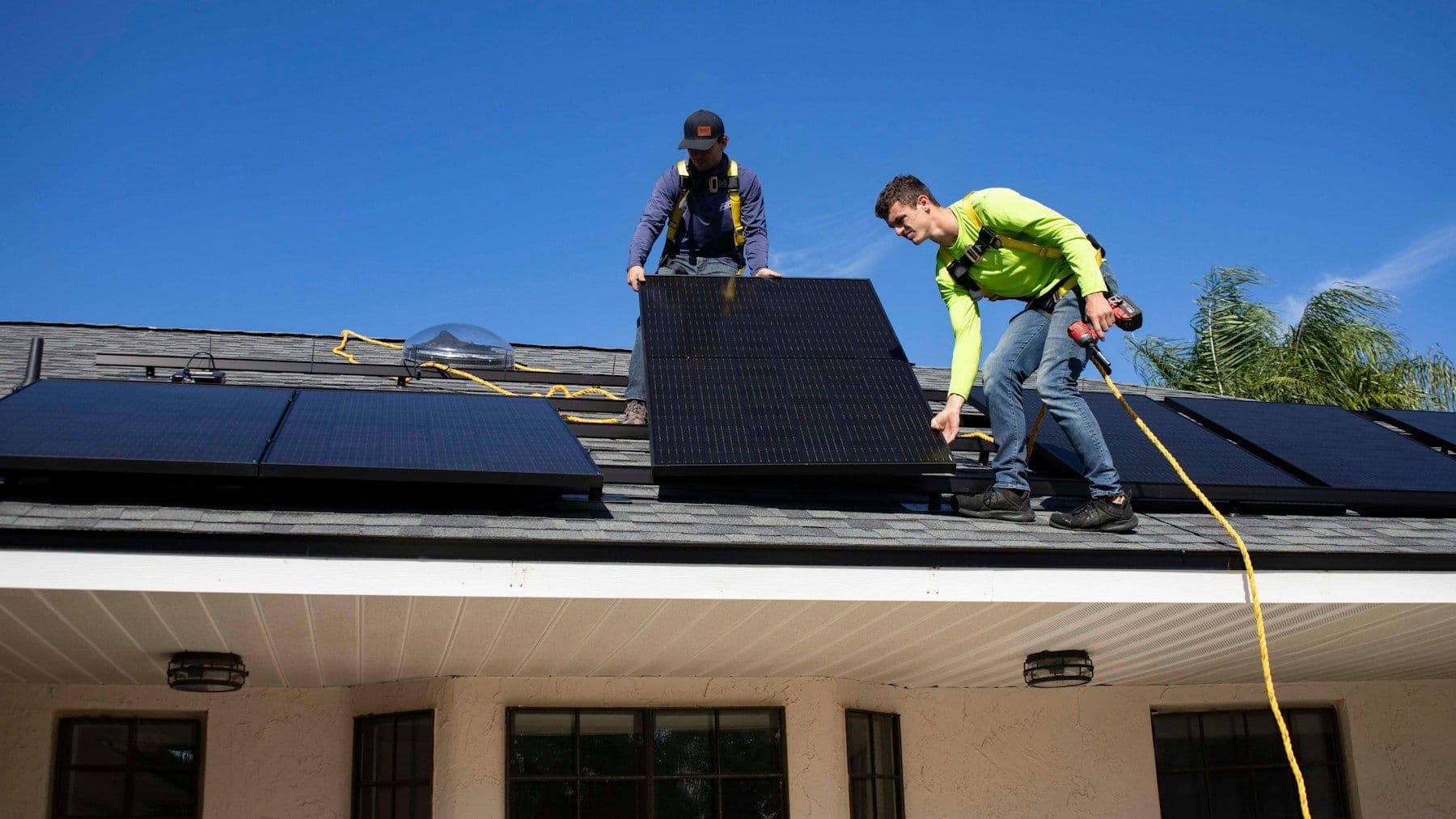
“We didn't even know they were there half the time. There was minimal disruption. They were clean, polite, professional.”
£0 up front
Our funding partner pays for the system. Not even a deposit
Fixed for 15 years
Between 16p and 23p per kWh today, depending on the site (September 2026)
 NAPIT
Our installers are accredited
Our installation partners are MCS registered, and RECC and NAPIT accredited
One person to call
Dave handles the funder, the installer and the grid for you, first call to first bill
In plain English
What a solar power purchase agreement is, and who does what
A solar power purchase agreement is a contract with two sides. Our funding partner pays for a solar system and puts it on your roof. You agree to buy the power it makes, at a set price for each kWh. (A kWh, or kilowatt-hour, is the unit of electricity on your bill.)
That price is fixed for 15 years. Today it is between 16p and 23p per kWh, depending on your site (September 2026). You pay by one monthly direct debit.
The funder pays for the panels, the inverter (the box that turns panel power into power your building can use), the frames, the scaffolding, the labour and the grid connection. It also looks after the system for the whole term. You provide the roof and buy the power. We arrange all of it, and stay with you from first call to first bill.
New to the idea? Start with what a solar PPA is, or go back to the solar PPA overview.
The short version
Four stages from first call to switch-on
Consultation, proposal, grid approval and installation. Each has a clear end point. The detail for every step follows.
1. Consultation
Weeks 1 and 2. Dave calls back within 24 hours. We look at your roof from the air and read your usage.
2. Proposal
Weeks 2 to 4. The funder's design team builds your proposal and we go through it on a video call. Then the first papers.
3. Grid approval (DNO)
From week 5. A site survey, then the grid operator checks your local network can take the system.
4. Installation
Week 6, once the grid operator has said yes. Where it is slower, this moves back.
The seven steps
The seven steps in detail, week by week
The same journey with more on what happens and who does it. The weeks are for a site in North Wales.
Before you decide anything
- 1
Week 1: Enquiry and consultation
You fill in the two-minute form or ring. Dave calls back within 24 hours and sets up a consultation, face to face or on Zoom.
- 2
Weeks 1 to 2: Desktop roof survey
We look at your roof on satellite images and read the usage data you send. Nobody needs to visit yet, and it costs you nothing.
- 3
Weeks 2 to 3: Your proposal
The funder's design team builds a proposal for your site in up to 5 working days. We go through it with you on a video call, with the funding and equipment partners there. It never arrives cold by email.
- 4
Week 4: Agreement
Three first papers by DocuSign (an online signing tool): a Letter of Authority, a Letter of Intent and an Intent to Lease for the roof space. They don't bind you and stay open for 10 working days. The PPA contract comes next.
Once you've said yes
- 5
Week 5: Site survey and grid approval (DNO)
A full survey on site. Then Dave applies to the DNO (the company that runs your local power lines) using your meter number. We pay the application fee, typically £500 to £1,000.
- 6
Week 6: Installation
Our installation partners, who are MCS registered, fit the system. Rod at Crest: "We didn't even know they were there half the time."
- 7
Switch-on: Generation and your first bill
The system is commissioned (tested and switched on) and the direct debit starts. Dave visits after a month to check your first bill with you.
Watch it
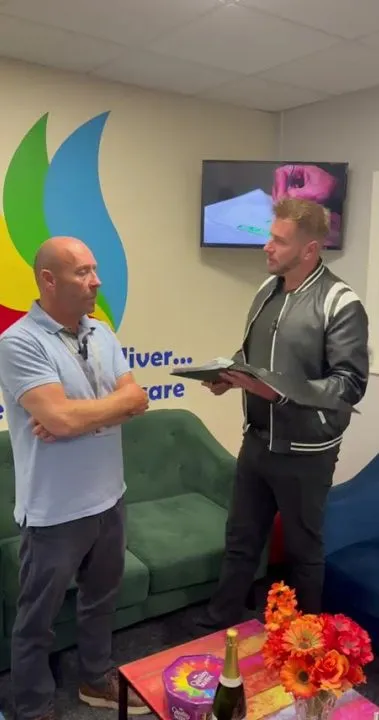
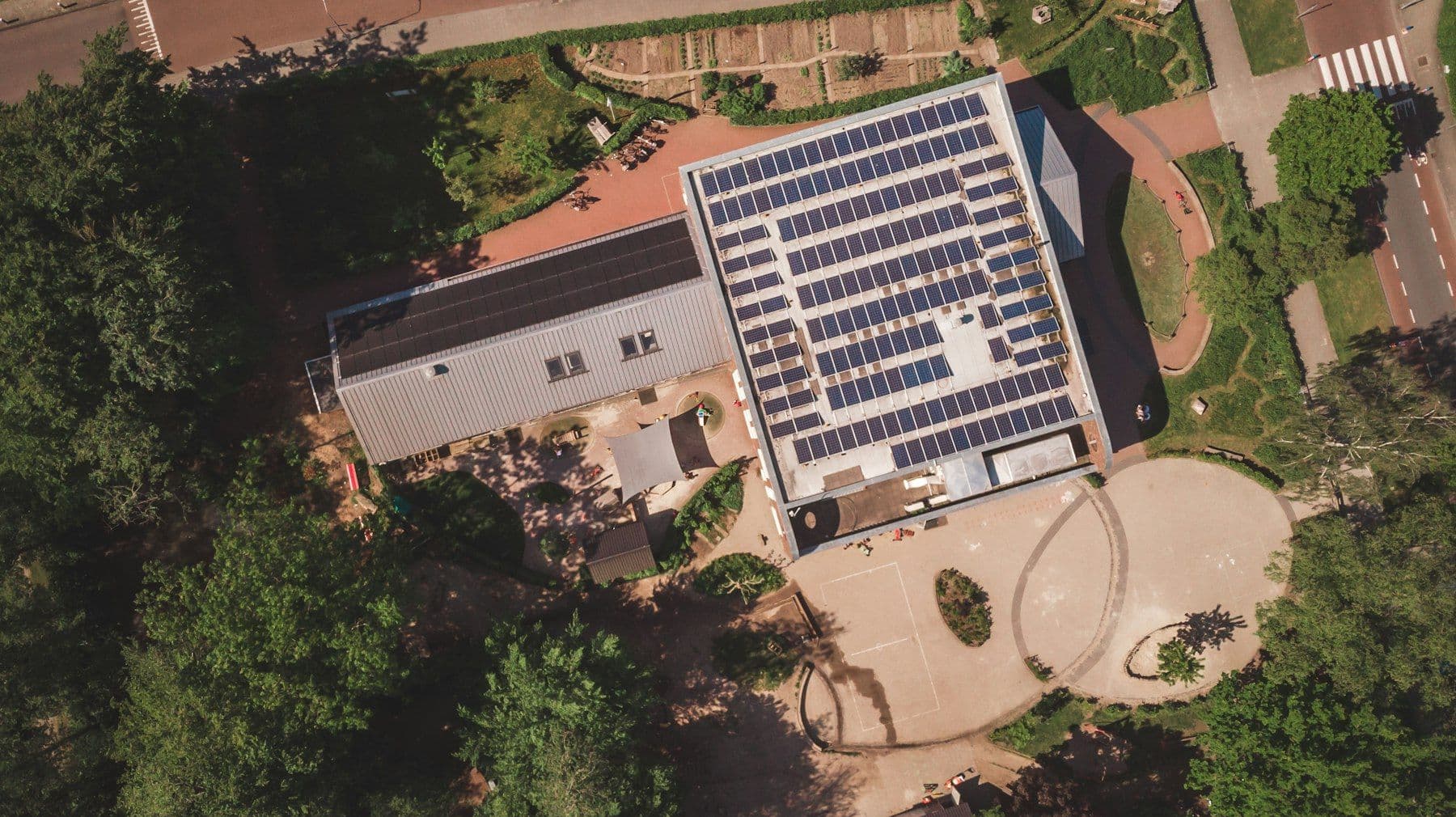
See an install: Crest's 50 kWp system going on the roof
Under two minutes. Crest's centre stayed open throughout.
 Crest installation film, 1:51
The step that sets your timeline
Grid approval (DNO): why one step can take 2 weeks or 12
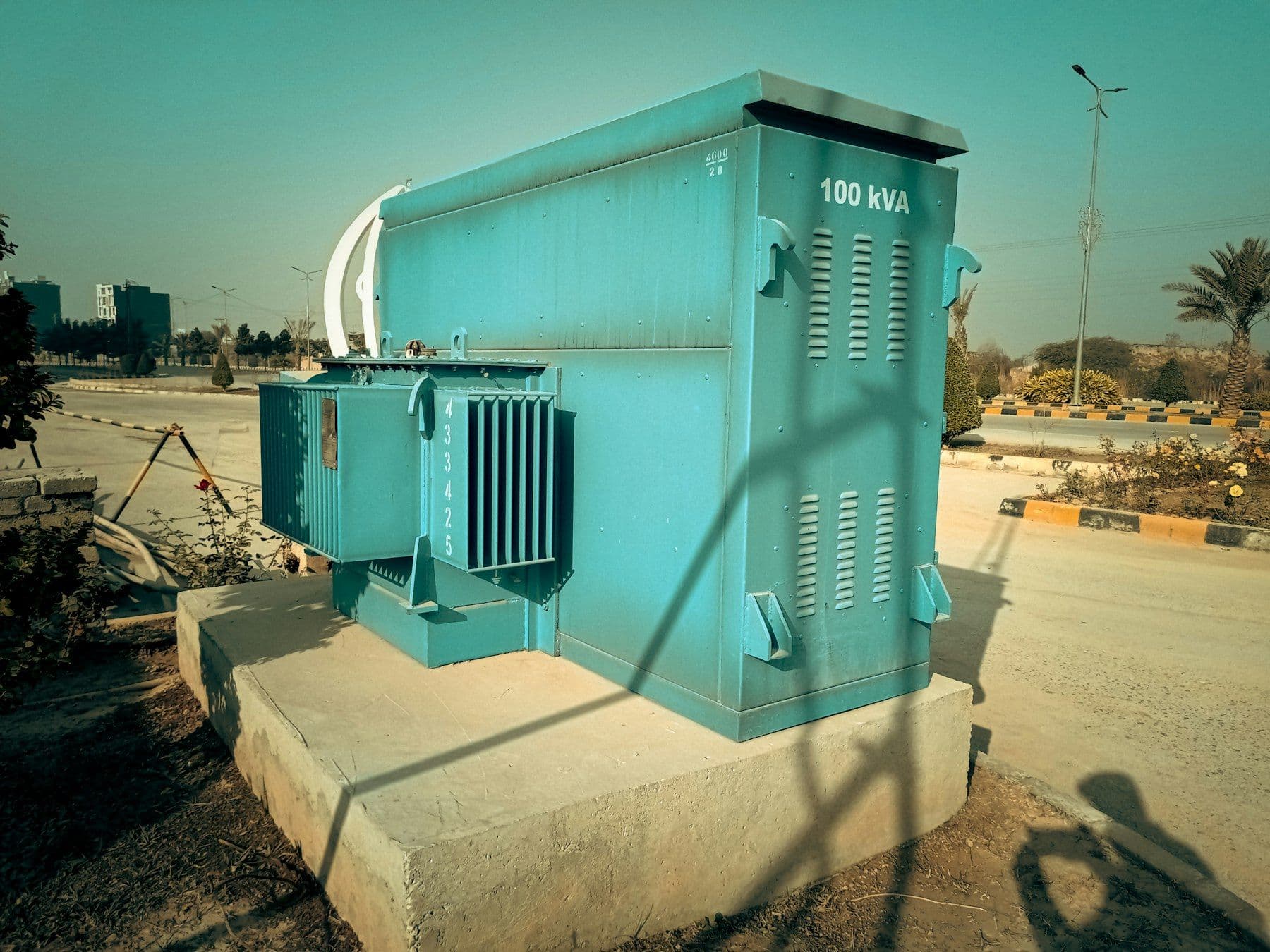
The DNO is the distribution network operator, the company that owns the power lines and transformers in your area. In North Wales that is SP Energy Networks. When your panels make more than your building uses, the spare power goes back into the network. So the DNO checks that your local transformer can accept it.
We make the application, using your meter number (the MPAN on your bill), and we pay the fee, typically £500 to £1,000. Locally, SP Energy Networks takes 2 to 3 weeks. Our funding partner's proposal says it can take up to 8 weeks, and the legal maximum is 12.
That is why we say five to six weeks in the best case and up to 12 where the operator is slow. We chase it so you don't have to. Read more in our guide to three-phase supply, the DNO and your grid connection.
Two supplies, one building
Two supplies, one building: who provides which power, and who bills you
Your building keeps its one connection to the grid. The solar joins that same supply through the inverter. In daylight the building runs on the roof first. When the roof can't cover demand, it draws from the grid as normal.
| What you want to know | Solar from your roof | Grid power |
|---|---|---|
| Where it comes from | Your panels, through the inverter | Your existing supplier, through the grid |
| When you use it | First, whenever the sun is making enough | When the roof can't cover demand, and at night |
| What you pay per kWh | The PPA price, 16p to 23p, fixed for 15 years | Whatever your current contract says |
| How you pay | One monthly PPA direct debit | Your normal bills, unchanged |
| Spare power | Anything you don't use is sold to the grid, which is part of how the funder earns | Not affected |
You only ever pay for the solar power you actually use, and you can track it live. No change of supplier, and an existing supply contract is unaffected.
A real bill, split in two
What the split looks like in money: Crest's first year
Crest was buying all its power from the grid. Here is what its proposal showed once the roof was making some of it.
- Before: 51,314 kWh a year from the grid at 37p, which came to £18,986.
- The new roof makes 36,290 kWh a year. Of that, 69% is used on site and 31% is sold to the grid.
- After: a grid bill of £9,758 plus a PPA bill of £4,490, together £14,248.
- Saving in year one: £4,739.
The 15-year figure of £131,796 assumes electricity prices rise 5% a year. Treat it as illustrative, never a promise. See the whole proposal, line by line.
Your way out, in print
The buy-out schedule: what it costs to own the system in any year
A buy-out price is what you would pay to buy the system from the funder, so it becomes yours. Your proposal prints one for every year of the term, and it falls each year. These are Crest's.
| Point in the 15 years | Crest's buy-out price | What it tells you |
|---|---|---|
| At switch-on | £42,741 | The highest it ever is |
| Year 5 | £28,487 | Falling every year you run it |
| Year 10 | £14,233 | A third of the starting price |
| Year 14 | £2,829 | Very little left to buy |
| Year 15 | £1 | The end-of-term option |
Selling or moving? The contract can pass to the new owner or occupier at the same rate, or you buy it out from your schedule. Your own site's figures are in your own proposal. Compare a PPA with buying outright.
Year 15
At year 15 you choose from four options
The panels carry a 30-year warranty, so they should still be making power long after the term ends.
Buy it for £1
The system becomes yours. With a 30-year panel warranty, that is at least another 10 years of power with no per-kWh charge.
Agree a new PPA
Negotiate a new price per kWh with the funder and carry on as before.
Extend, then buy
Stay on your existing rate for five more years, then buy the system for £1.
Have it removed
If you would rather not keep it, you pay to have the system taken away.
What could go wrong
What could go wrong, and what covers you
What if the system stops working?
It is watched all day and fixed at no cost to you
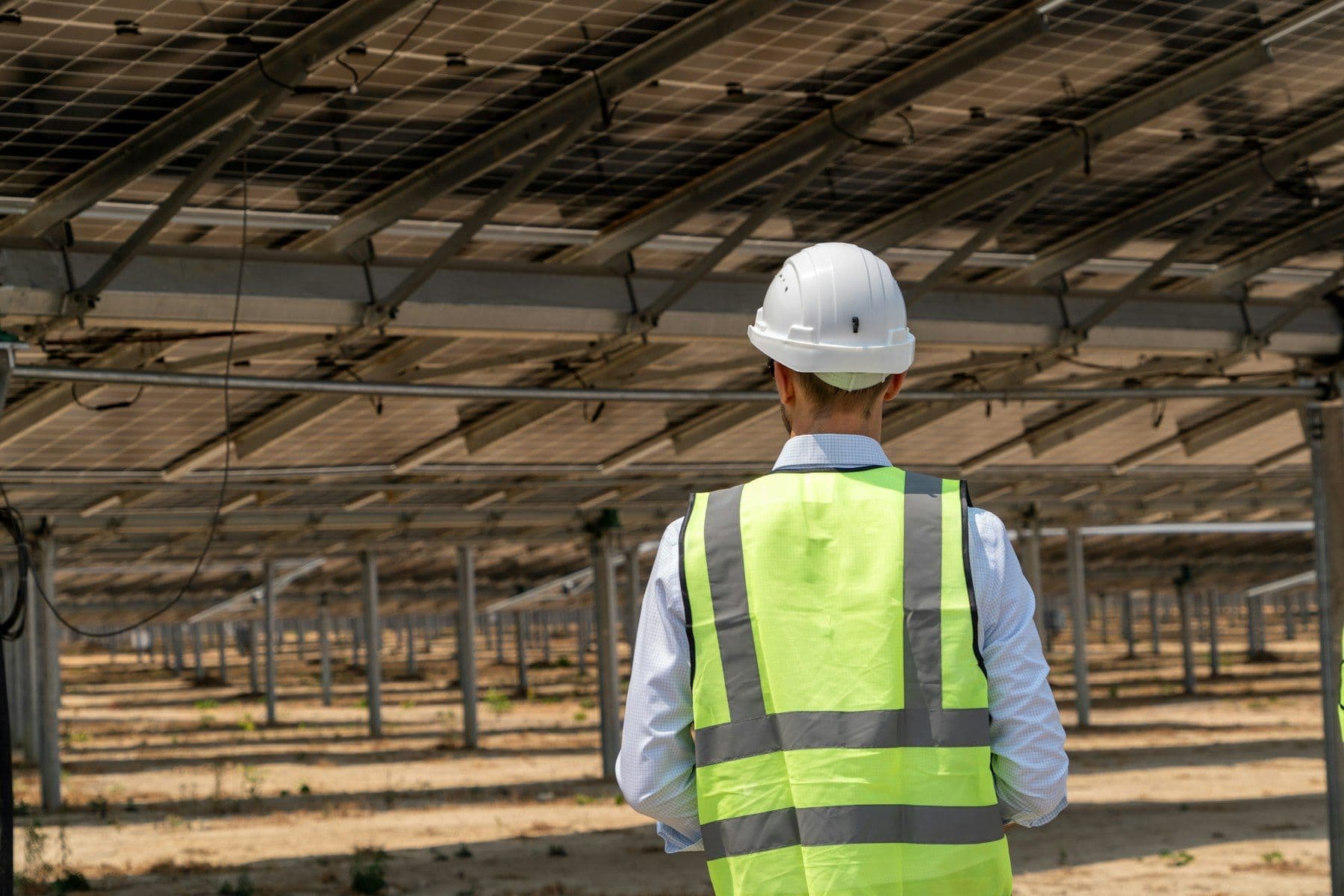
The system is monitored from a central screen. If anything goes down, it gets fixed and you don't pay for it. While that happens, your building simply uses the grid. Nobody on your staff has to understand solar or notice when it stops.
What if it makes less power than the proposal says?
You only pay for what it makes, so that risk isn't yours
Your proposal states how much power the system should make each year. The funder only earns on what is generated, so it has no reason to overstate the figure. If the panels make less, you pay less. We never call any saving guaranteed.
What if I sell the building or move out?
The deal can go with the building, or you can buy it out
The contract can pass to the new owner or occupier at the same rate. Or you buy the system out from the printed schedule (above) before you go. Either way, the exit route is written down before you sign.

What am I signing, and when?
Three papers that don't bind you, then the contract
The first papers are not binding and stay open for 10 working days. The funder runs a soft credit check on the business, which leaves no mark on your file, and leases your roof space but never owns your roof or your building. We tell you all of that up front.
In their own words
From the two sites that went through these steps
“The job was done excellently and in good time.”
“The team were professional, organised, and really respectful of the fact we were open and trading.”
- System size (peak output)
- 50 kWp
- Power it makes each year
- 36,290 kWh
- Fixed price for 15 years
- 18p per kWh (was 37p)
- Saving in year one
- £4,739
- Saving over 15 years
- £131,796
The 15-year figure assumes grid prices rise 5% a year. Your proposal works out your own figures, never a promise.
Free, in writing, no obligation
What your proposal shows, line by line
Everything above turns into numbers for your site in your proposal. It covers the system size, the power it should make, your fixed price per kWh, your savings and your buy-out price for every year. Crest's looked like this. Yours comes back in up to 5 working days.
- The system designed for your siteSized to your real usage by the funder's design team, with how much power it should make each year.
- Your fixed price per kWhSet from your usage data. Between 16p and 23p today, and fixed for 15 years.
- Your savingsIn year one and over 15 years, worked out from your own bills. Illustrative, never a promise.
- Your buy-out price for every yearPrinted in full, falling each year to £1 at year 15. So you can see your way out before you sign.
Case studies
Two sites, two different stories, the same steps
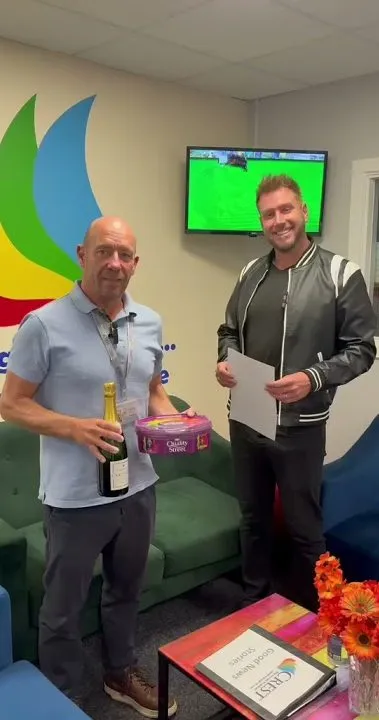
Charity, Llandudno Junction
Crest Community Centre: from 37p to 18p per kWh
A 50 kWp system. £4,739 saved in year one, and the savings help fund the centre's food bank and community radio.
Read the case studyFarm shop, Buckley
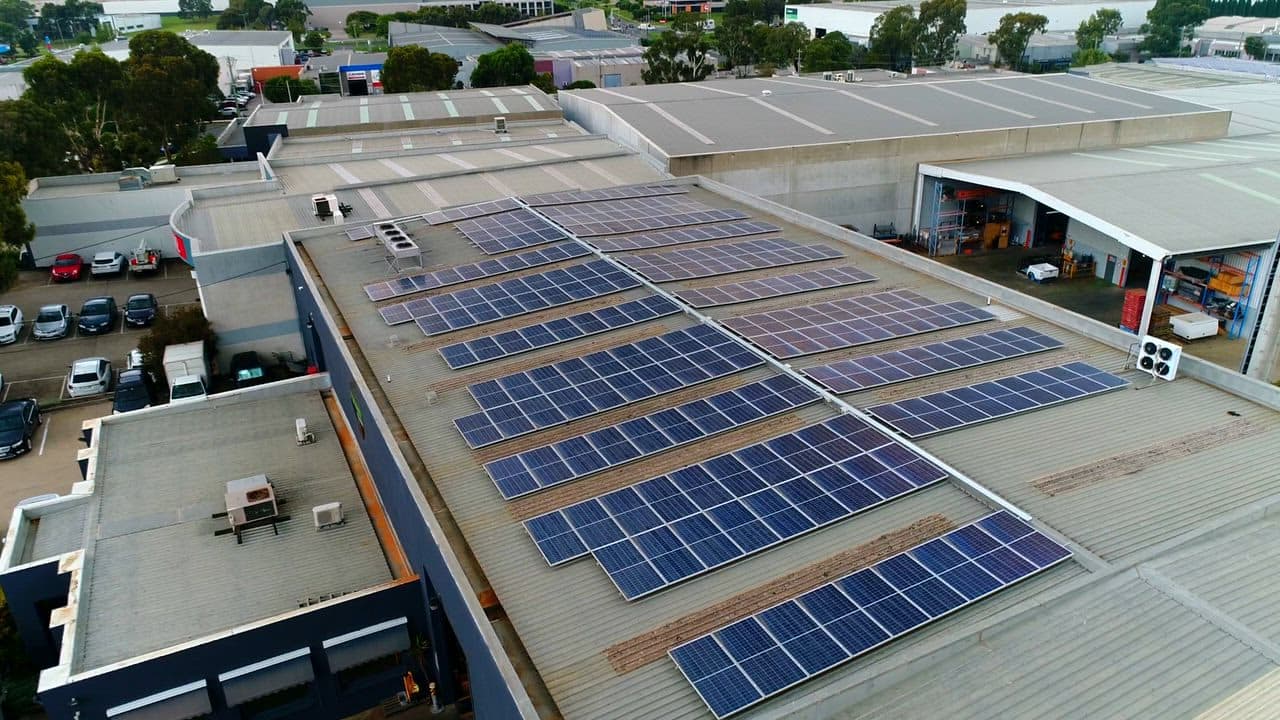
56.7 kWLesters Farm Shop, open and trading throughout
- 126 panels at 17p per kWh
- Two 22 kW EV chargers at no cost
- £2,624 saved a year
Keep reading
Check your site, compare your options, or see a proposal
Do you qualify?
Three-phase, 20 kW, a year of data and a roof or land. The full list, and who it is not for.
Find out more
A PPA or buying outright
Where buying wins, where a PPA wins, and the middle path.
Find out moreA real proposal
Crest's proposal, line by line, with every figure printed.
Find out moreBack to the solar PPA overview. More detail in our guides to usage data and system sizing and what commercial solar costs to buy.
Where we work
Where these timings apply: our North Wales areas
The five to six week timeline is for North Wales, where SP Energy Networks is the grid operator. Other areas have different operators, and timings may differ.
Questions
Questions about how a solar PPA works
How does a solar power purchase agreement work?
A funder pays for solar panels and fits them on your roof. You buy the power they make at a set price per kWh, fixed for 15 years, and pay for it by one monthly direct debit. The rest of your power still comes from your normal supplier. At the end you can own the system for £1.
How long does a solar PPA take from first call to switch-on?
About five to six weeks from beginning to end for a site in North Wales. The step that varies is grid approval. SP Energy Networks usually takes 2 to 3 weeks locally, but where a grid operator is slower the whole project can run to 12 weeks.
Who pays for the panels, the scaffolding and the grid connection?
Our funding partner pays for all of it, including the panels, inverter, frames, scaffolding, labour and grid connection. You pay £0 up front, not even a deposit. We also cover the grid operator's application fee, which is typically £500 to £1,000.
Do I have to change my electricity supplier?
No. Your supplier and your supply contract stay exactly as they are. The solar means you buy fewer kWh from them, and you pay for the solar kWh separately on one monthly PPA direct debit.
What is grid approval (the DNO) and why does it matter?
The DNO, or distribution network operator, owns the local power lines and transformers. It checks that the local transformer can accept any spare power your site sends back. We make the application using your meter number, and nothing is fitted until it says yes.
What do I sign, and when?
First come three papers by DocuSign: a Letter of Authority, a Letter of Intent and an Intent to Lease for the roof space. They are not binding and stay open for 10 working days. The PPA contract itself comes after that.
What if the panels make less power than the proposal says?
You pay less. You only pay for the solar power you actually use, and you can track it live. The funder only earns on what the system generates, so it has no reason to overstate the figure in your proposal. Nothing is guaranteed.
Can I buy the system before the 15 years are up?
Yes, at any time. Your proposal prints a buy-out price for every year, and it falls each year. At Crest it starts at £42,741, is £28,487 at year 5 and £14,233 at year 10.
What happens at the end of year 15?
You choose from four options. Buy the system for £1, agree a new PPA price, extend at your existing rate for five years and then buy it for £1, or pay to have it removed. The panels carry a 30-year warranty, so a £1 buy-out leaves at least 10 more years of power with no per-kWh charge.
What if I sell the building or move out?
The contract can pass to the new owner or occupier at the same rate. Or you can buy the system out from the printed schedule before you go.
Who looks after the system once it is running?
It is monitored from a central screen and cleaned every 6 to 12 months at no cost to you. If anything stops working it gets fixed, and your building uses the grid in the meantime. Dave stays your single point of contact and visits after a month to check your first bill.
Start at step one: check your eligibility
Send your postcode and a recent bill. Dave calls back within 24 hours, we look at your roof on a map, and a written proposal follows in up to 5 working days. Nothing you sign at the start ties you in.