Fully funded farm solar, based in Colwyn Bay
Solar Panels for Farms in North Wales
Solar panels for farms in North Wales, paid for by our funding partner. You pay nothing to start, not even a deposit. Then you buy the power your barn roofs make at a price per kWh (the unit on your bill) that is fixed for 15 years. It is not a solar-farm land lease.
For dairy, arable and mixed farms. Nothing to pay up front.
“I'll be honest, I was a bit sceptical at first. It sounded too good to be true.”
£0 up front
Our funding partner pays for the system. Not even a deposit
Fixed for 15 years
Between 16p and 23p per kWh today, depending on the site (September 2026)
 NAPIT
Our installers are accredited
Our installation partners are MCS registered, and RECC and NAPIT accredited
One person to call
Dave handles the funder, the installer and the grid for you, first call to first bill
Let's be clear first
Solar panels for farms in North Wales that run your farm, not a developer's
If you searched for solar on farmland, you may have found offers to lease your fields to a developer. This is not that.
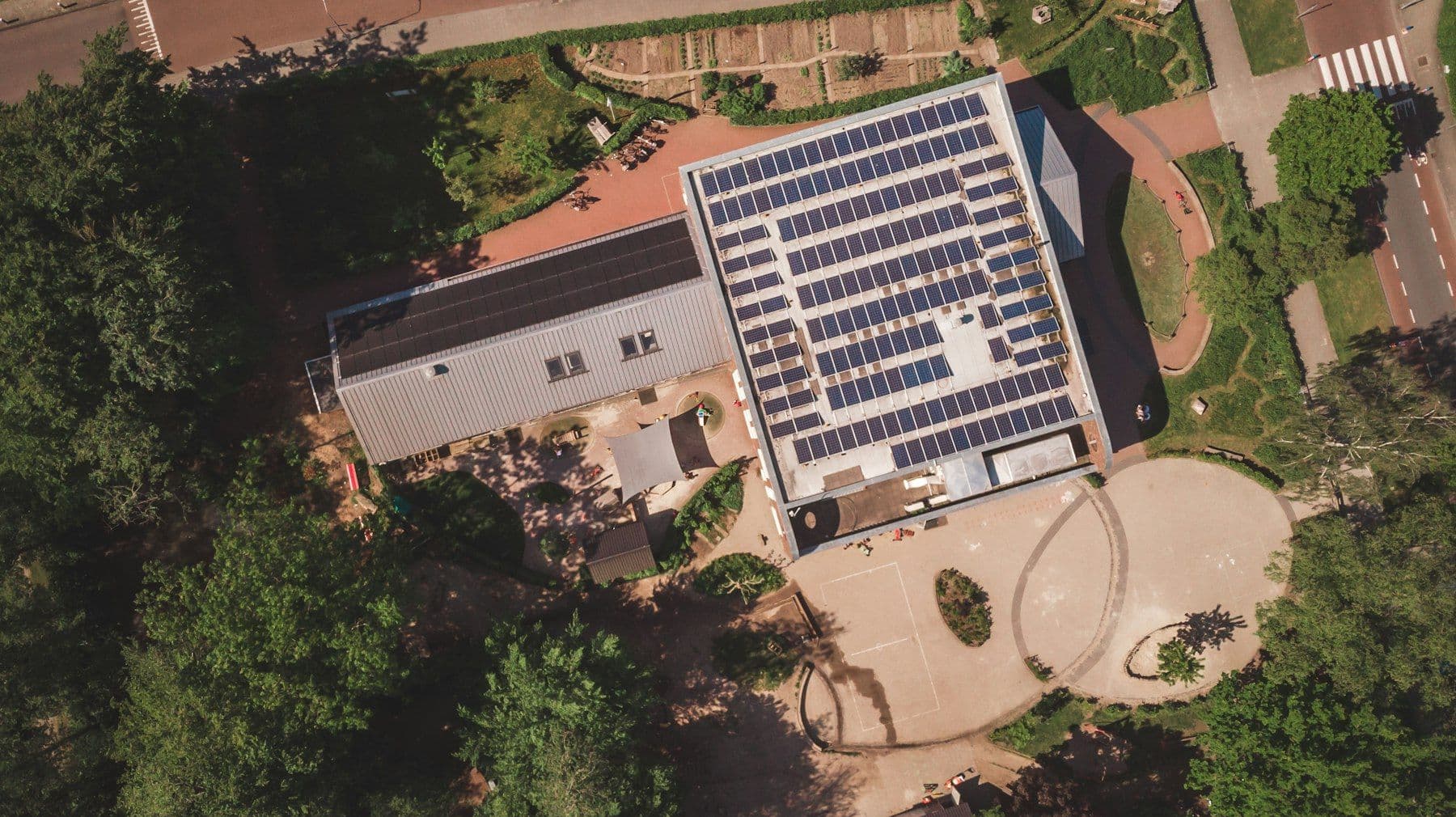
Our funding partner pays for panels on your barn and shed roofs. You buy the power they make to run the parlour, the dairy, the dryers and the yard. This is called a power purchase agreement (PPA). Your price per kWh stays the same for 15 years.
The funder rents the roof space (a roof lease) and never owns your roof or your buildings. Your fields stay yours. When the farm is quiet, spare power goes to the grid, and that is part of how the funder earns its money.
New to the idea? Read how a solar PPA works or the plain guide to what a solar PPA is.
Where the power goes
Where a farm's power goes in the day, and what the roof can cover
Solar only helps with power you use while the sun is up. Dairy, arable and mixed farms each use it differently.
Milking and the vacuum pump
A parlour runs a vacuum pump and milk pumps at each milking. When the milkings fall matters, because the sun is lowest at the start and end of the day.
Chilling the milk
The bulk tank cools milk after each milking and holds it cold until collection. The compressor works hardest just after milking, then ticks over.
Hot water for washing
Washing the plant and the parlour takes a lot of hot water. If you heat it with electricity, that is a big load for the roof to take. If you use gas or oil, it is not.
Drying and storing grain
Driers and store fans run hard for a few weeks at harvest, then lightly. The load lands in summer, which suits the sun, but it is short.
Sheds, lighting and ventilation
Livestock and poultry sheds run fans, feeders and lights through the day. A steady daytime load is the easiest kind for solar to cover.
Workshop, yard and farm shop
Welders and tools, the chillers and tills of a farm shop, and chargers for staff and visitors all add daytime demand.
Is it right for your farm?
Which farms this suits, and which it doesn't
Your farm is a good fit if
- You use power in daylight hours, for chilling, drying, pumps, sheds, a workshop or a shop.
- You have a three-phase supply (the stronger kind that runs dairy kit and dryers, with three live wires instead of one).
- Your barns have big roofs with a clear view of the sky, and room for at least 20 kW. That is the size of the system, about 45 to 50 panels.
- You own the buildings, or your landlord will agree.
- You can send 12 months of bills or half-hourly smart-meter readings.
This probably isn't for your farm if
- You want to lease your fields to a solar developer. That is a different business and we are not it.
- You have a smaller single-phase supply only. It can take about 15 to 17 kW, which is too small. Better to know now.
- Your farm already has solar.
- Your roofs are small, shaded, or near the end of their life. We say so plainly if the survey shows it.
- Most of your power is used at night and the numbers do not justify a battery.
- You rent and your landlord will not agree to the roof lease.
The battery case
Why a milking farm may need a battery and an arable farm may not
Solar peaks around midday. A dairy farm that milks in the morning and the afternoon has its biggest loads at the edges of the day, when the panels make less.
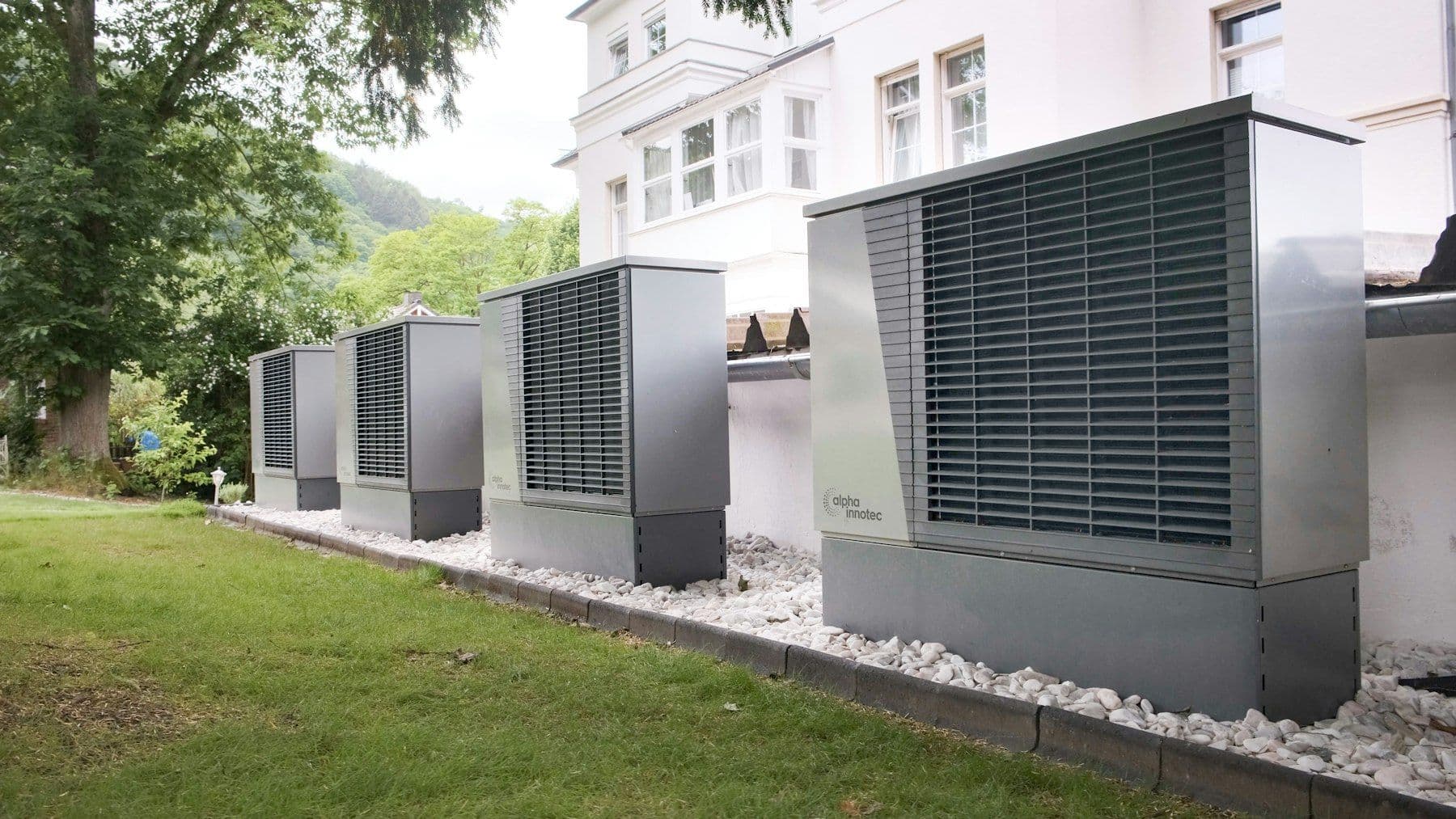
Without a battery, the midday surplus goes to the grid. With one, it is kept and used for the afternoon milking and the milk cooling. In winter there is less sun to store, so the battery covers less.
We add a battery only where your half-hourly data shows it is worth it, and we decide at the site survey. The catch is the price. A battery is extra kit, and the rate per kWh rises to match. In the proposal below it is 21p, against 17p to 18p without one.
Read how we size systems in half-hourly data and system sizing, or see commercial battery storage.
A dairy farm in North Yorkshire
The battery case in real numbers
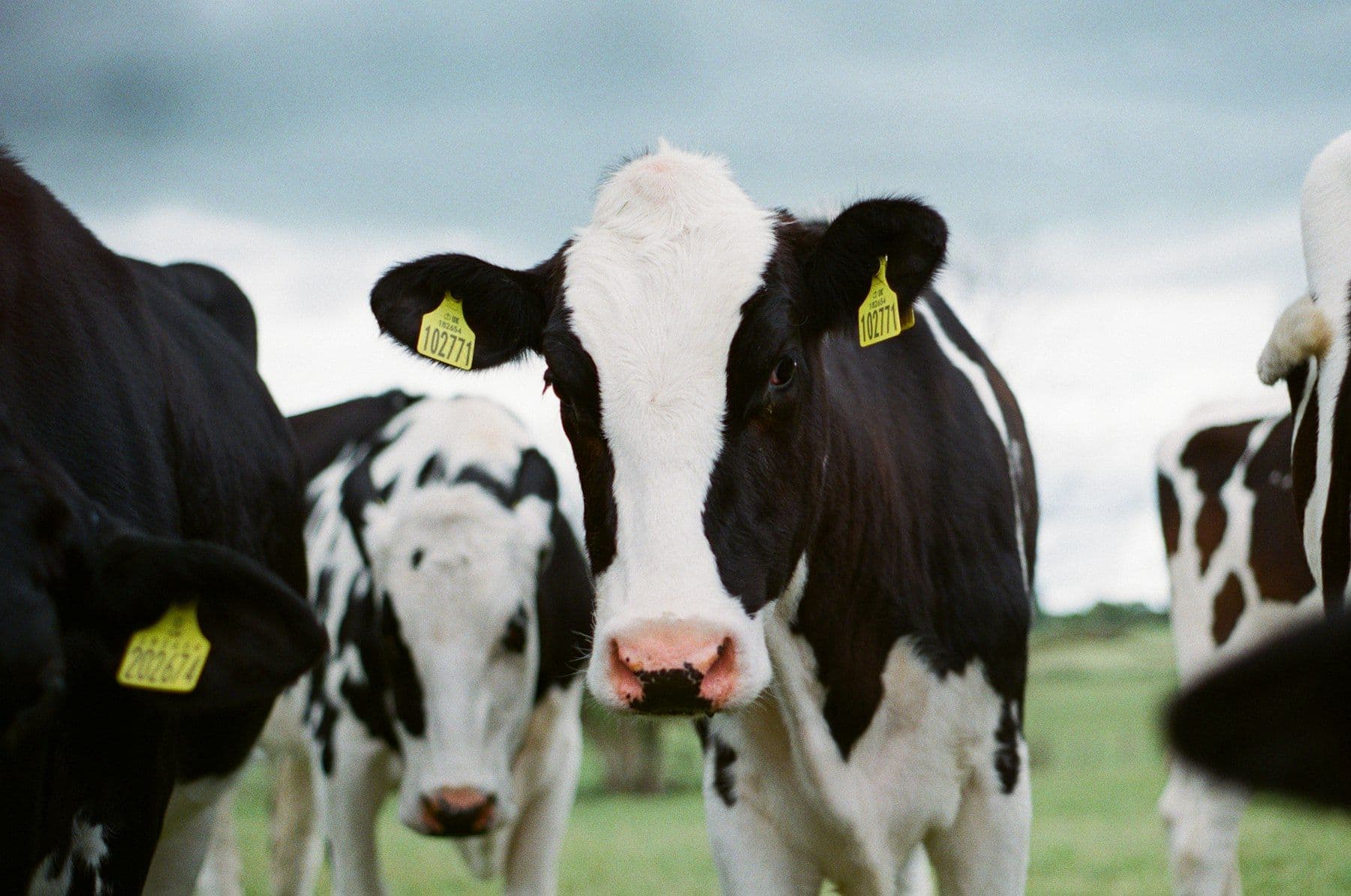
A proposal for a 74 kW system with 120 panels, an inverter (the box that turns panel power into mains power) and a 100 kWh battery. The dairy farm is in North Yorkshire. The figures are from its proposal.
A lower price for the power it uses
About 53p to 21pper kWh, battery includedThe farm was paying about 53p per kWh. Its bill falls from £52,776 to £28,387, plus £9,666 for the solar power through the PPA.
A saving worked out from its own bills
£14,723saved in a yearThe farm uses 99,577 kWh a year, and the roof should make 62,054 kWh. Illustrative, never a promise.
Most of the roof's power used on the farm
74%of what the roof makesThe battery keeps midday power for the milking. 46% of the farm's power comes from solar, and 26% of what the roof makes goes to the grid.
The more you pay now, the more you save. Lesters at about 23p saves £2,624 a year on 56.7 kW. This dairy farm at about 53p saves £14,723 on 74 kW. Your proposal works out your own.
Dairy, arable or mixed
How the system changes with the kind of farm
| Compare | Dairy | Arable | Mixed or livestock sheds |
|---|---|---|---|
| Busiest hours | Around the two milkings, with chilling through the day | Harvest weeks, for drying and store fans. Quieter the rest of the year | Daytime, spread out across the sheds and yard |
| Does it line up with the sun? | Partly. Milking falls at the edges of the day | Yes at harvest. Less in winter | Mostly yes |
| Battery | Worth testing against your half-hourly data | Often not worth it | Only if the data says so |
| Watch out for | Hot water on gas or oil gives no electric load to cover | A few big weeks can make a yearly total look bigger than the usual day | More than one meter. Tell us which one runs the buildings |
General patterns, not promises. Your 12 months of data and the site survey decide what your farm needs.
The barn roof
What we check on a barn roof, and why the survey decides
These are general points from the trade, not a promise about your roof. The survey decides what a roof can take.
Old fibre cement sheets
Common on older barns. Sheets put up before about 2000 may contain asbestos, and they can be brittle to walk on. They are the roofs that most often need a careful look first.
Box profile and other profiled steel
Usually the simplest roof to fit. Panels clip or bolt to the ridges of the sheets, and the sheets themselves are sound underneath.
The frame under the roof
The building has to carry the weight of the panels and the wind on them. Open-sided hay and grain barns catch more wind than closed sheds.
Which way it faces
A south-facing roof makes the most. East and west faces make a little less but spread the power across the day, which can suit milking.
Shade, vents and rooflights
Trees, taller buildings and rooflights all cost output or add work. A desktop survey from satellite images spots most of it before anyone visits.
Your other roofs, and how old they are
A roof with a few years left is a poor place for panels that stay for 15 years or more. A farm often has another roof that suits better, so we look at all of them.
What it costs a farm
Nothing to start, then a price per kWh that stays put
To design, fit and connect
Our funding partner pays for the panels, inverter, frames, scaffolding, labour and grid connection. Not even a deposit.
Per kWh for the solar you use, fixed for 15 years
Depends on your site (September 2026). A battery lifts it: 21p in the dairy proposal, against 17p to 18p without.
To own it at the end of year 15
Or buy it out earlier (buy-out means buying the system before the term ends) from the price list printed in your proposal.
Check the rate on your own bill first, because everything is per kWh. See what commercial solar costs to buy or a PPA against buying.
What a farm pays per kWh for power
- PPA price: 16p to 23p, fixed for 15 years
- What Lesters (about 23p) and the dairy farm (about 53p) were paying
PPA prices as of September 2026. A battery adds to the price. Savings are illustrative, never promised, and yours depends on what you pay now. Your proposal works out your own.
Check my farm's eligibilityFree, no obligation, about two minutes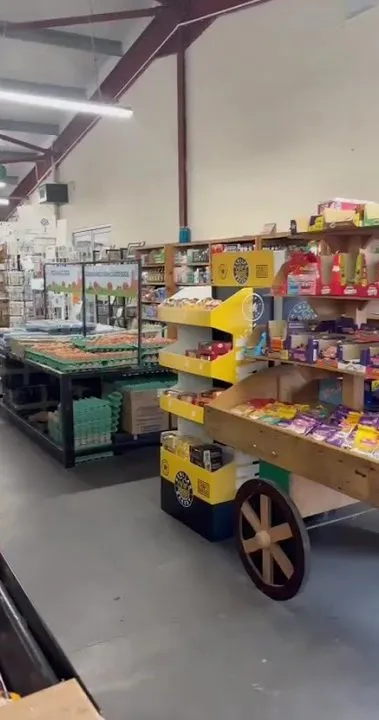
A farm shop in Flintshire, open throughout
Lesters Farm Shop: 56.7 kW, 17p per kWh and £2,624 saved a year
Lesters is a farm shop in Buckley, Flintshire. Samuel, the owner, was sceptical at first. The shop stayed open and trading while the roof was fitted.
- 126 Astronergy 450 W panels, 56.7 kW in all
- A SolaX 50 kW three-phase inverter and two 22 kW EV chargers
- 47,210 kWh a year from the roof. The shop uses 129,958 kWh, and 92% of what the roof makes is used on site
- About 23p per kWh before, 17p now, fixed for 15 years
- A bill of £29,929 before, and £19,908 after plus £7,397 for the solar power. A saving of £2,624 a year
These are the figures from Lesters' own proposal. They are not a promise for your farm.
Read the Lesters case study or see solar for shops and hospitality.
It sounds too good to be true
The worries farmers raise first
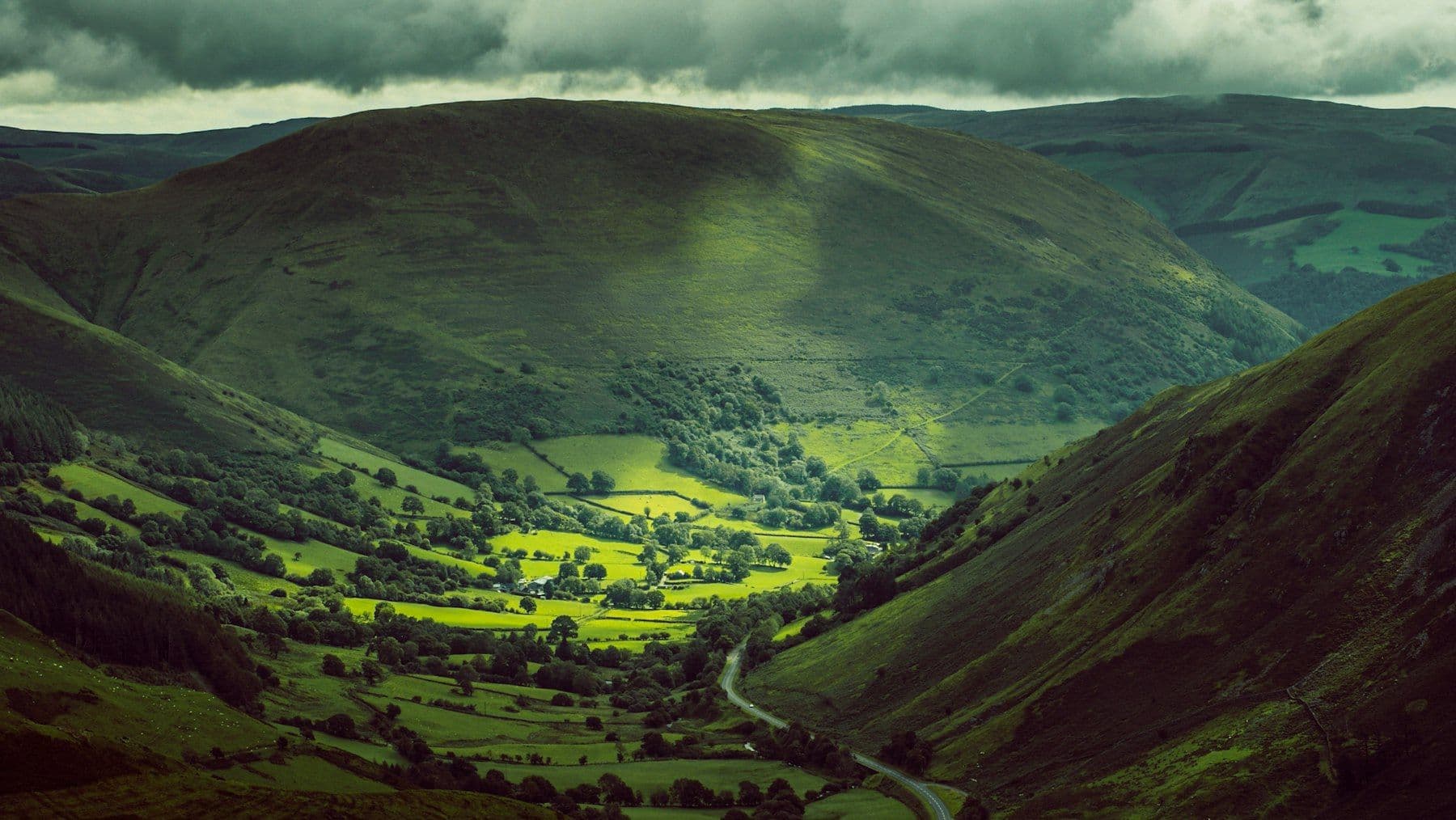
Is this just leasing my land to a solar farm?
No. The panels go on your roofs and the power runs your farm
The funder rents the roof space (a roof lease) and never owns your roof or your buildings. No fields are leased. Spare power goes to the grid, and the funder is paid for it.
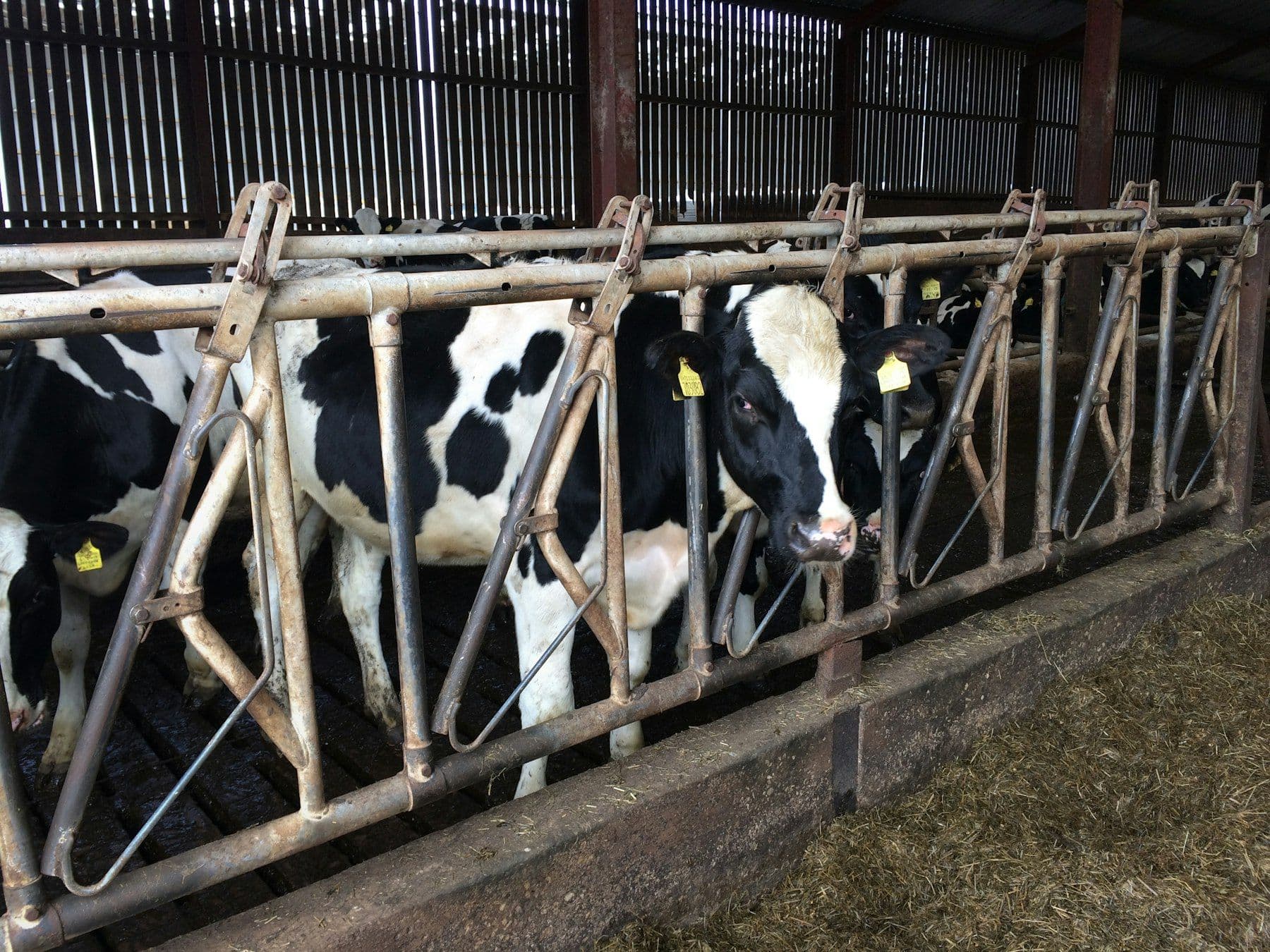
Milking is at the edges of the day. What does the sun do for me?
Chilling and daytime loads use it, and a battery is tested in your data
The milk tank, hot water, pumps and workshop run in daylight. A battery can move midday power to the afternoon milking. We add one only where your half-hourly data justifies it, and the proposal shows what it does to the price per kWh.
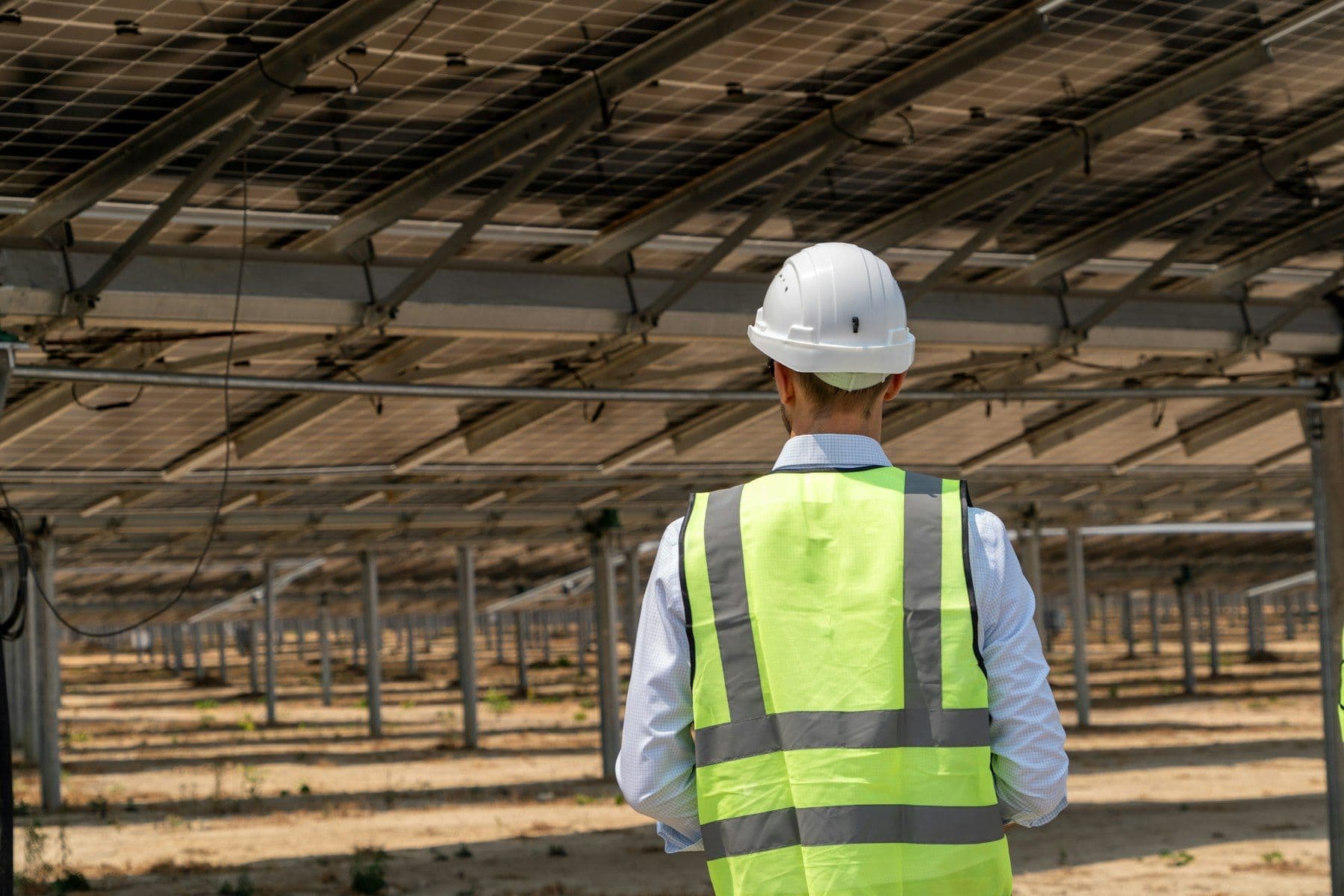
My barn roof is old fibre cement. Is that a non-starter?
Not always, but it is the roof that needs the closest look
Older sheets may contain asbestos and can be brittle. That is general knowledge from the trade, not a verdict on your roof. We check every roof on the farm from the air first. The site survey decides what is possible, and we say so plainly if a roof does not suit.

I rent the farm, or I may hand it on. Can I do this?
Yes if your landlord agrees, and the deal can pass on
The building owner has to agree to the roof lease. If the farm is sold or handed on, the contract can pass to the new owner or occupier at the same price. Or you buy it out from the printed schedule, which falls every year to £1 at year 15.
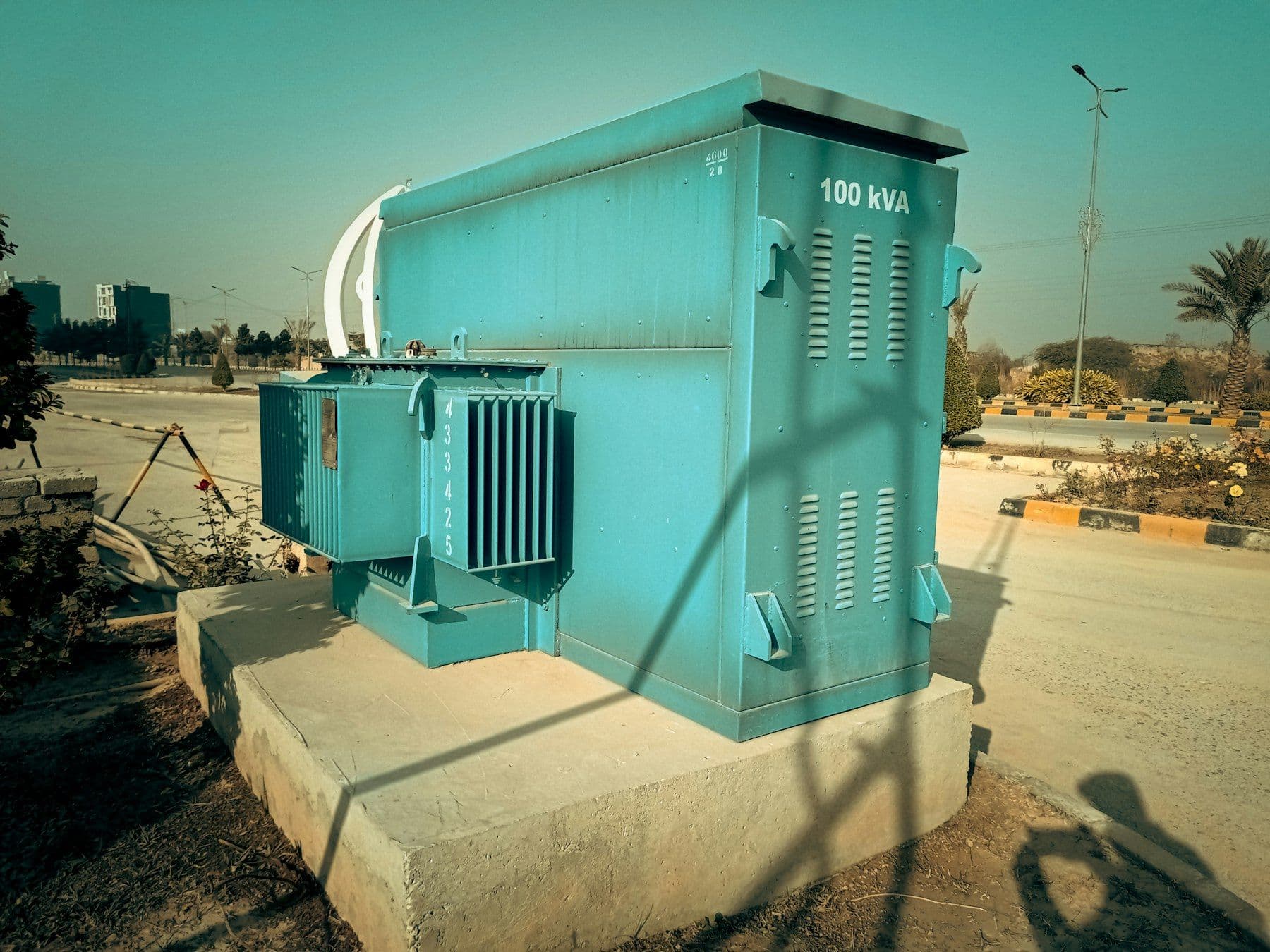
Is my supply strong enough, and will the local line take it?
Three-phase is the first test, then the grid operator checks
A single-phase supply caps a system at about 15 to 17 kW. Farms often sit at the end of a long rural line, so the grid operator (the DNO) checks the local transformer can take the power you export. That check is the likeliest reason for a slower timeline. We apply and we pay the fee. About three-phase and the grid.
How a farm install runs
From first call to first bill, planned around the working day
About five to six weeks in North Wales, and up to 12 weeks where the grid operator is slower.
Before you decide anything
- 1
Tell us about the farm
A few quick questions, about two minutes. Or just call. Dave calls back within 24 hours. Say if you milk, dry grain or run a shop.
- 2
We check your roofs and your power data
A desktop survey of every roof from satellite images, plus 12 months of usage data. Half-hourly readings are best. Bills in kWh also work.
- 3
Your proposal, on a video call
The funder's design team builds it in up to 5 working days. It names the size, your price per kWh and the buy-out price for every year. The funder joins the call so you can ask them anything.
- 4
Paperwork that doesn't bind you
Three first papers let us apply to the grid for you. They are not binding and stay open for 10 working days.
Once you've said yes
- 5
Site survey and grid approval
A full survey on the farm. Then we apply to the grid operator and pay the fee. In North Wales, SP Energy Networks takes 2 to 3 weeks locally.
- 6
Fitted while the farm works
MCS-registered installers fit the system. Both case-study customers stayed open throughout. Raise milking times at the site survey so access is agreed around them.
- 7
Switch-on and your first bill
The direct debit starts once the system is running. Dave comes back after a month to check your first bill with you.
In their own words
What customers told us once it was fitted
“The team were professional, organised, and really respectful of the fact we were open and trading.”
“I was pretty sceptical initially because you never get anything for free in this life. But once Dave broke down the detail and explained to me how it would benefit Crest as an organisation, it became quickly to me a bit of a no-brainer.”
- System size (peak output)
- 50 kWp
- Power it makes each year
- 36,290 kWh
- Fixed price for 15 years
- 18p per kWh (was 37p)
- Saving in year one
- £4,739
- Saving over 15 years
- £131,796
The 15-year figure assumes grid prices rise 5% a year. Your proposal works out your own figures, never a promise.
Free, in writing, no obligation
A farm proposal in writing, with the numbers named first
You shouldn't have to take our word for it. The card shows Crest's real proposal. A farm's looks the same, with your own generation, your price per kWh and a buy-out price for every year. A battery, if your data justifies one, is priced in. It comes back in up to 5 working days.
- The system designed for your siteSized to your real usage by the funder's design team, with how much power it should make each year.
- Your fixed price per kWhSet from your usage data. Between 16p and 23p today, and fixed for 15 years.
- Your savingsIn year one and over 15 years, worked out from your own bills. Illustrative, never a promise.
- Your buy-out price for every yearPrinted in full, falling each year to £1 at year 15. So you can see your way out before you sign.
Compare and explore
Other sites we work with, and what to read next
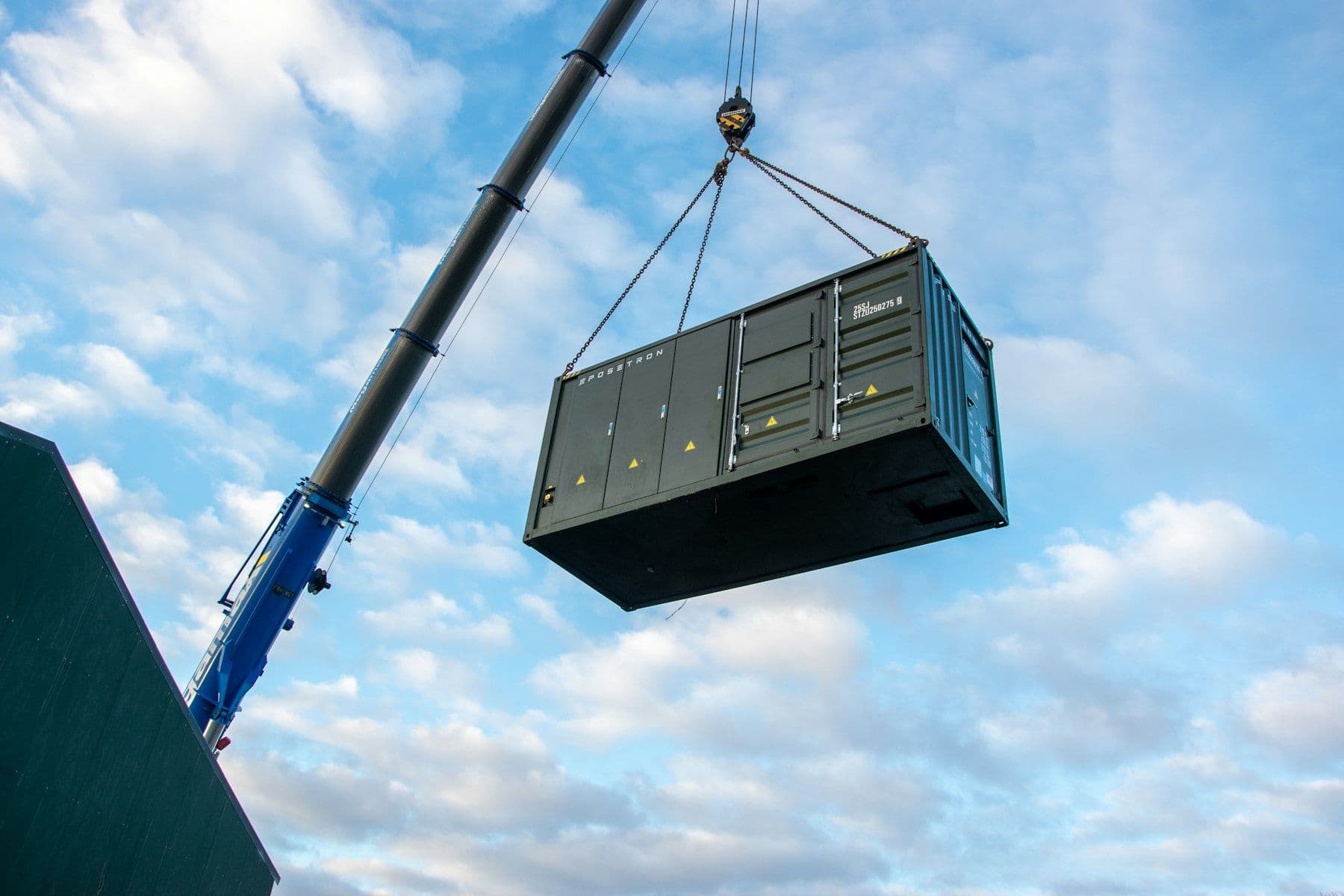
Commercial Battery Storage
Stores spare daytime power for later. Added only if your half-hourly data shows it is worth it.
Find out more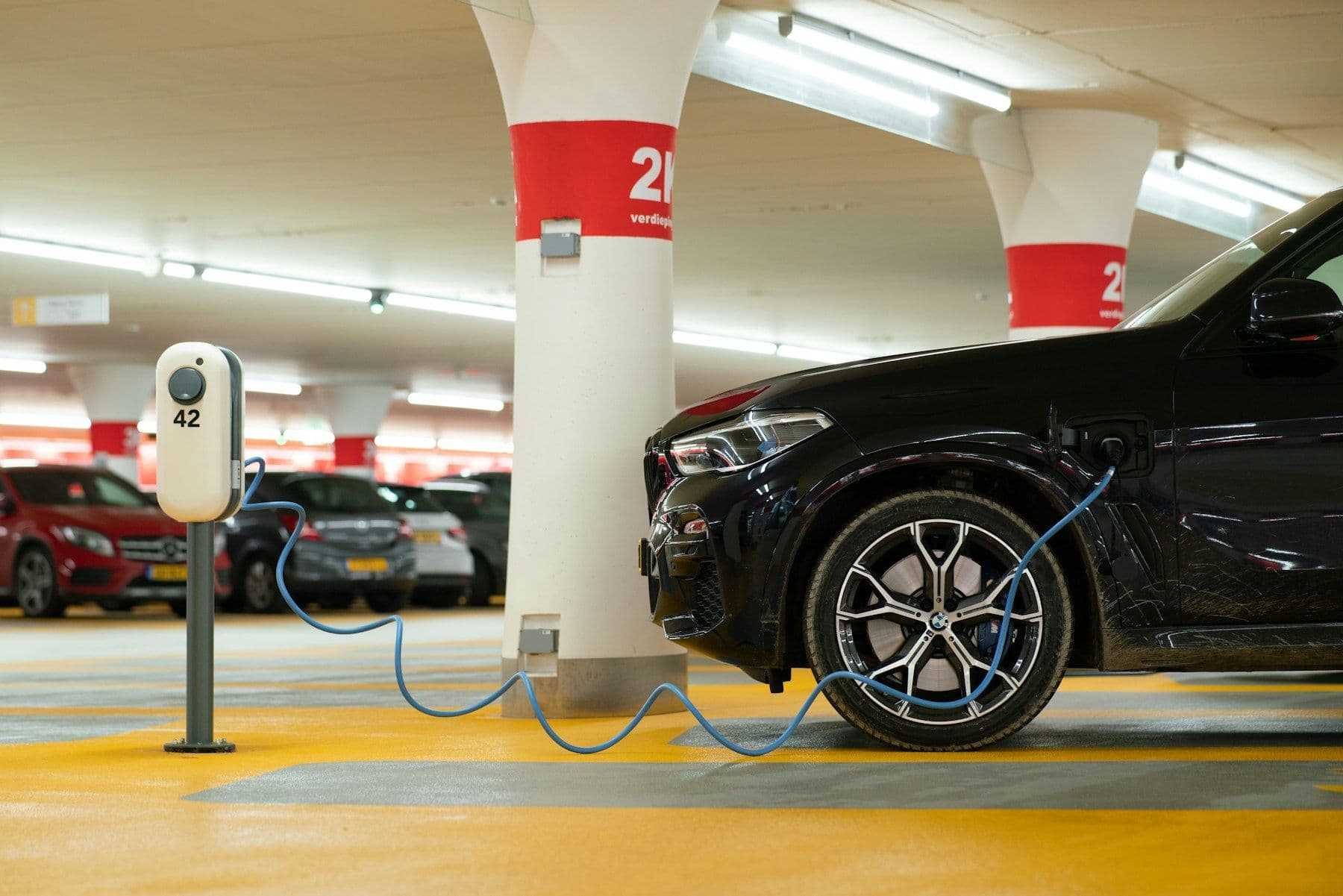
Commercial EV Charging
Two chargers at no cost where you have a car park, subject to survey. You keep 50% of the revenue.
Find out more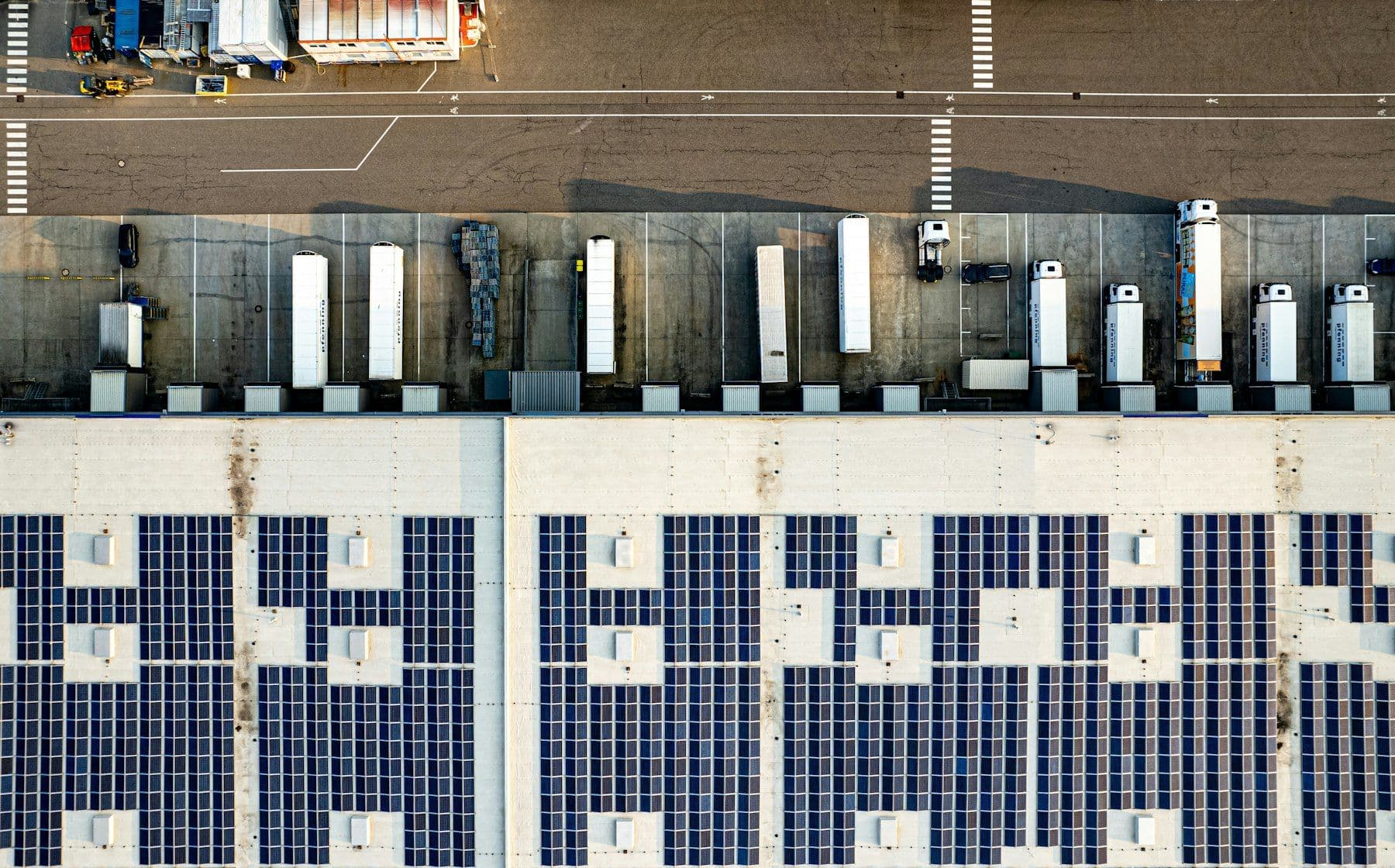
Warehouses and Factories
Big roofs and shift patterns, sized to half-hourly data.
Find out moreSee every kind of site we work with · Do you qualify? · See a real proposal
Where we work
Farm solar across North Wales and Mid Wales
Based in Colwyn Bay, and working across North Wales and Mid Wales. These are the area pages for farming country, from Anglesey to Powys.
Questions
Questions farmers ask us
Can a farm in North Wales get solar panels with nothing to pay up front?
Yes. Solar panels for farms in North Wales can be paid for by our funding partner, with no deposit. You then buy the power the roof makes at a set price per kWh, fixed for 15 years. Your farm needs a three-phase supply, room for at least 20 kW and no existing solar.
How can it cost a farm nothing? What is the catch?
The funder earns from the solar power you buy and from selling spare power to the grid. Over 15 years that pays back the system and a bit more. The catches are a soft credit check on the business (it leaves no mark on your file) and a lease on your roof space. We tell you both up front, and the first papers do not bind you for 10 working days.
Is this the same as leasing my land to a solar farm?
No. Nothing here involves leasing your fields to a developer. The panels go on your barn and shed roofs, and the power runs your own farm. The funder rents the roof space and never owns your roof or your buildings.
Does solar work on a dairy farm that milks morning and afternoon?
Partly. Milk cooling, hot water and the workshop run in daylight, but the two milkings fall at the edges of the day. A battery can move midday power to later, and we add one only where your half-hourly data shows it is worth it. In the North Yorkshire dairy proposal, the battery took the rate to 21p per kWh, against 17p to 18p without.
How much could a dairy farm save?
In one proposal for a dairy farm in North Yorkshire, a 74 kW system with a 100 kWh battery saves £14,723 a year. That farm was paying about 53p per kWh. Savings are illustrative, never a promise, and yours depends on what you pay now.
What about an arable farm with seasonal grain drying?
Drying and store fans use a lot of power for a few weeks. That lands in summer, when panels make the most, but use for the rest of the year is lower. We size the system to your 12 months of data so you do not pay for power you cannot use. A battery is often not worth it for a load like this.
Does my farm need a three-phase supply?
Yes. It is the stronger supply most working farms have for dairy kit and dryers. A single-phase supply can only take a system of about 15 to 17 kW, which is below our 20 kW minimum. Your electrician can tell you which you have, or send us a postcode and a recent bill.
What if my barn roof is old fibre cement, or might have asbestos?
This is general trade knowledge, so treat it as a guide. Sheets put up before about 2000 may contain asbestos and can be brittle, so they are the roofs most likely to need a closer look. The survey decides, and a farm often has another roof that suits. We tell you plainly if a roof is not right.
Will fitting disturb milking and the working day?
Both of our named customers stayed open and trading while the system was fitted. Rod at Crest said they barely knew the crew was there, and Samuel at Lesters said customers barely noticed. On a farm, agree access and timings around milking at the site survey.
I rent my farm. Can I still do this?
Yes, if your landlord agrees. The building owner has to agree to the roof lease. If the farm changes hands, the contract can pass to the new owner or occupier at the same price, or be bought out from the printed schedule.
How long does it take on a farm?
About five to six weeks from start to finish in North Wales. Where the grid operator is slower, it can take up to 12 weeks. Farms on long rural lines can be slower, because the grid operator checks the local transformer can take your spare power.
What happens at the end of the 15 years?
You choose. Buy the system for £1, agree a new price and carry on, stay at the same price for five more years and then buy it for £1, or pay to have it taken away. The panels have a 30-year warranty, so they should make free power for at least 10 more years after a £1 buy-out.
Find out if your farm qualifies
Send your postcode and a recent bill. We check your roofs on a map and tell you quickly. It costs nothing, and nothing you sign at the start ties you in.