

Fully funded solar for care homes, based in Colwyn Bay
Solar Panels for Care Homes in North Wales
A care home never really switches off, and the laundry and kitchens are busy by day. Put solar on the roof for nothing up front, and pay a low price per kWh (the unit on your bill) that is fixed for 15 years.
Nothing up front. A price fixed for 15 years. No change of electricity supplier.
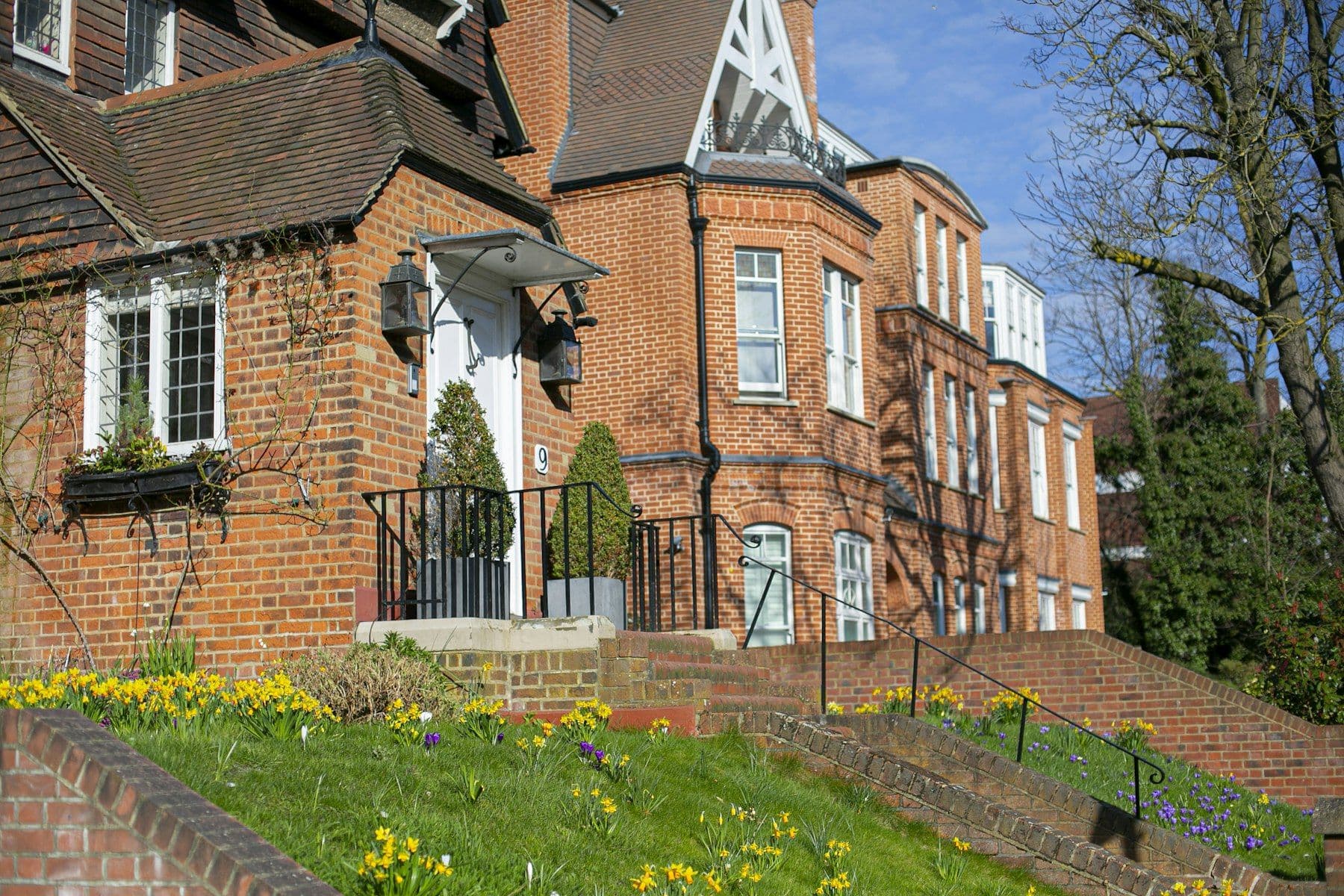
“We didn't even know they were there half the time. There was minimal disruption. They were clean, polite, professional.”
£0 up front
Our funding partner pays for the system. Not even a deposit
Fixed for 15 years
Between 16p and 23p per kWh today, depending on the site (September 2026)
 NAPIT
Our installers are accredited
Our installation partners are MCS registered, and RECC and NAPIT accredited
One person to call
Dave handles the funder, the installer and the grid for you, first call to first bill
What this is
Solar panels for care homes in North Wales, paid for by someone else
Solar panels for care homes in North Wales work because a care home is always using power. Lights, lifts, call systems, fridges, laundry and kitchens all run, and the daytime hours are the heaviest. A roof makes its power in daylight, so the two line up well.
The deal is called a power purchase agreement (PPA). Our funding partner pays for the panels, the fitting, the scaffolding and the grid connection. You buy the solar power you use at a price per kWh that is fixed for 15 years. It is between 16p and 23p today, depending on the site (September 2026).
How can that be? The funder earns by selling you the power, and by selling any spare to the grid. Over 15 years that pays back the system and a bit more. We work with care homes and other businesses, never with people's own homes.
How a PPA works, step by step or what a PPA is in plain words
Where the power goes
What a care home runs on, and how much of it the roof can reach
Your smart meter records how much you use every 30 minutes. That half-hourly data shows which of these loads fall in daylight, and so how big a system makes sense.
Laundry
Washers, dryers and ironers often run most of the day, seven days a week. It is a heavy load that falls in daylight.
Kitchens
Ovens, hobs and dishwashers peak around breakfast, lunch and tea. Fridges and freezers add a steady base all day and night.
Hot water
Baths, showers and basins use a lot. If the water is heated by electricity, that is a large daytime load. If it is heated by gas, solar cannot touch it.
Heating and ventilation
Heat pumps and electric heaters count. Gas boilers do not. Solar only replaces the electricity you buy.
Lifts, call systems and lighting
The base load that never stops. By day the roof can carry it. After dark it comes from the grid, as it does now.
The night shift
The roof makes nothing after dark. A battery can carry spare power into the evening where the data justifies one.
About commercial batteriesA day in the life of your bill
Where a care home's power comes from, hour by hour
A rough picture, and it shifts with the seasons. Your own half-hourly data draws the real one.
| Time of day | What the care home is doing | Where the power comes from |
|---|---|---|
| Overnight | Low lighting, call systems, fridges and freezers, heating and ventilation | The grid, as it is now. The roof is asleep |
| Early morning | Getting residents up, breakfast, first washes | Mostly the grid, with the roof joining as the light comes |
| Late morning to mid-afternoon | Laundry at full tilt, lunch cooking, baths and showers, visitors using the lifts | The roof first. The grid tops up on a dull day |
| Late afternoon and evening | Tea, evening care, lights coming on | A mix, moving to the grid as the sun drops |
The funder's design team sizes the system to your daytime load, so nobody pays for power the building cannot use. If the roof makes less than expected, you pay less.
Is it right for your care home?
Which care homes this suits, and which it doesn't
It suits you if
- You have a three-phase supply, the stronger kind that larger buildings have, and room for a system of at least 20 kW (kilowatts, the size of the system). That is about 45 to 50 panels.
- You can send a year of electricity data. Half-hourly smart meter readings are best, and 12 months of bills in kWh also works.
- You own the building, or the owner will agree to a roof lease.
- You want one slice of the energy budget to hold still for 15 years.
It's probably not for you if
- A small converted building on a single-phase supply. That caps a system at about 15 to 17 kW, which is below our 20 kW floor.
- Your site already has solar.
- Most of your power is used overnight and a battery does not make sense. The roof cannot cover that.
- The owner or the group will not agree to a roof lease. We cannot start without them.
- You want to own the panels from day one. Under a PPA the funder owns them until you buy them out.
What it costs
A slice of the budget that stays put for 15 years
To design, fit and connect
The funding partner pays for the panels, the inverter (the box that turns the roof's power into power the building can use), the scaffolding, the labour and the grid connection.
Per kWh for the solar you use, fixed for 15 years
Set from your usage data (September 2026) and paid by one monthly direct debit. The rest of your power still comes from your supplier and still moves with the market. A part of the bill that does not move is easier to budget around.
To own it at the end of year 15
Or buy it out earlier, from the price list in your proposal.
See what commercial solar costs to buy and how a PPA compares with buying.
What a care home pays per kWh for its solar
- PPA price: 16p to 23p, fixed for 15 years
- What our case-study customers were paying the grid: about 23p to 53p
PPA prices as of September 2026, and your rate depends on your site. Savings are illustrative, never promised. Your proposal works out your own.
Check my care home's eligibilityFree, no obligation, about two minutes
The nearest proof we have
None of our case studies is a care home. Crest is the closest on disruption
We won't pretend otherwise. Crest Community Centre in Llandudno Junction is a charity with more than 40 local staff. Volunteers and adults with additional learning needs are on site, and the centre stayed open through the work.
- 50 kWp system (its top output), 81 panels, making 36,290 kWh a year
- 18p per kWh for its solar, where the grid price was 37p
- £4,739 saved in year one, which helps pay for the centre's food bank and community radio
That is the same worry you have: people on site who must not be upset, and a building that cannot close.
In their own words
Two customers on the work, and on the worry
“I was pretty sceptical initially because you never get anything for free in this life. But once Dave broke down the detail and explained to me how it would benefit Crest as an organisation, it became quickly to me a bit of a no-brainer.”
“The team were professional, organised, and really respectful of the fact we were open and trading.”
- System size (peak output)
- 50 kWp
- Power it makes each year
- 36,290 kWh
- Fixed price for 15 years
- 18p per kWh (was 37p)
- Saving in year one
- £4,739
- Saving over 15 years
- £131,796
The 15-year figure assumes grid prices rise 5% a year. Your proposal works out your own figures, never a promise.
Free, in writing, no obligation
See what your proposal will look like, before you decide anything
Crest is a community centre, not a care home, but its proposal shows the layout yours will follow. Yours is built from your own bills, and comes back in up to 5 working days.
- The system designed for your siteSized to your real usage by the funder's design team, with how much power it should make each year.
- Your fixed price per kWhSet from your usage data. Between 16p and 23p today, and fixed for 15 years.
- Your savingsIn year one and over 15 years, worked out from your own bills. Illustrative, never a promise.
- Your buy-out price for every yearPrinted in full, falling each year to £1 at year 15. So you can see your way out before you sign.
The honest comparison
A PPA or buying the panels: what matters to a care home manager
Buying can be the better deal if you have the cash and a team to manage it. A PPA suits a home that would rather keep its money for care and hand the work over.
| What to compare | Solar PPA with Bay Bright | Buying outright |
|---|---|---|
| Cost up front | £0, not even a deposit | The full cost. Crest's 50 kWp system is valued at £42,741 |
| Price of the solar power | Fixed per kWh for 15 years, so that slice of the budget holds still | Nothing per kWh once it is paid for, which is the big win of buying |
| When something stops working | The funder fixes it. Nobody on your staff has to notice or understand solar | You find the fault, call the installer and pay |
| Staff time | Dave is your one contact, first call to first bill | Someone on your side manages the installer, the warranties and the monitoring |
| If the care home is sold | The contract can pass to the buyer at the same rate, or you buy it out from the printed list | It stays with the building and goes into the sale |
| Who owns it | The funder, until you buy it out. £1 at year 15 | You, from day one |
Residents come first
The worries care home managers raise, answered
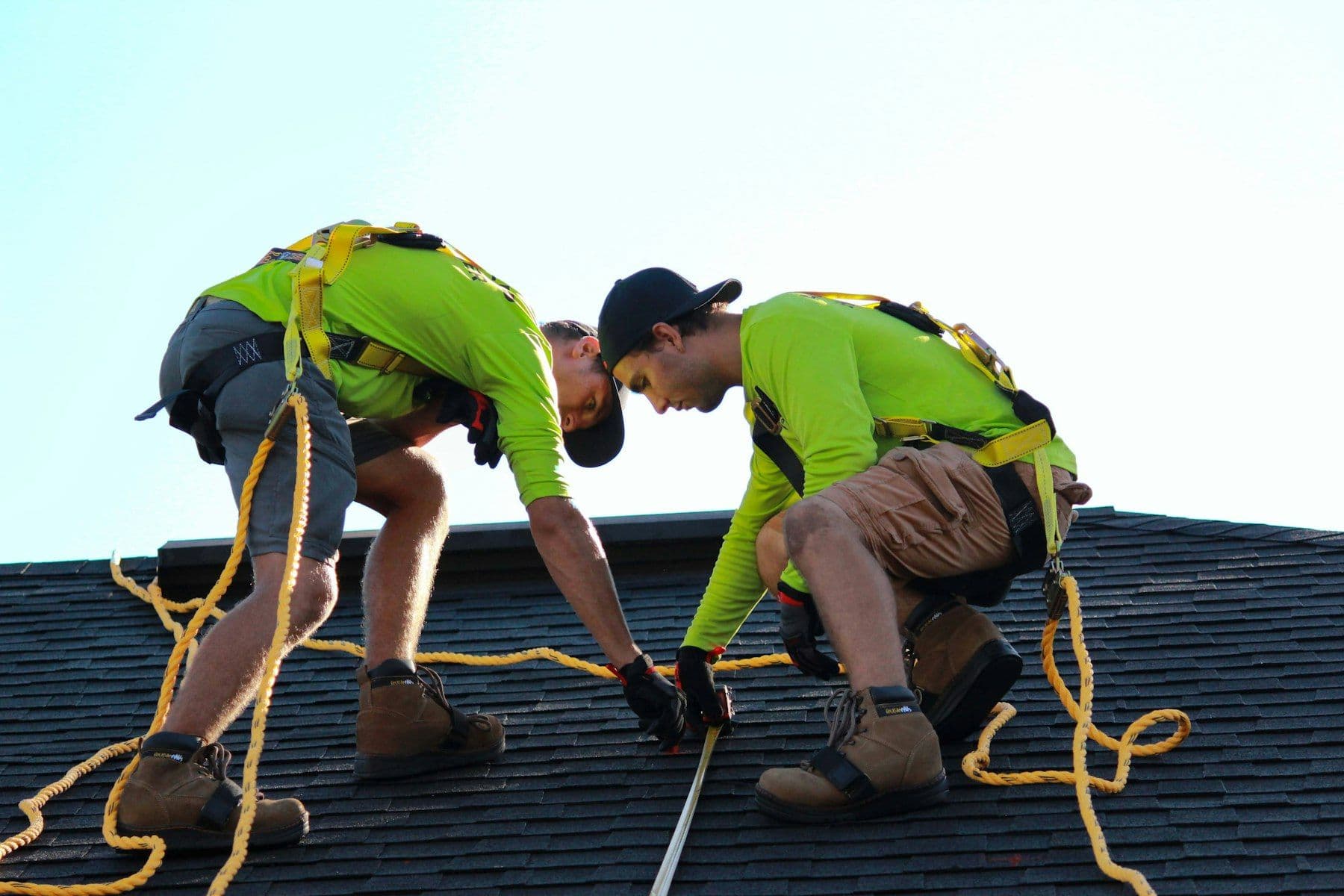
How do you stop the work upsetting residents?
The roof work is outside, and you set the rules
Scaffolding, panels and cables go up outdoors. Before the installers arrive we agree access, parking, delivery times and quiet hours with you, and which areas are off limits. Crest and Lesters both stayed open throughout.
We cannot have the power off. What then?
A short, planned switch-off, agreed with you first
Joining a solar system to the main board normally needs the supply off for a short time. We agree when, and ask what cannot be off, such as medical equipment, lifts and nurse call. The installer plans around your answer.
Care homes change hands. What happens to a 15-year deal?
It can pass to the new owner, or you buy it out
If the care home is sold, the contract can carry over at the same rate. Or you buy the system out from the printed price list, which starts at the full value and falls each year to £1 at year 15. Crest's starts at £42,741 and is £14,233 at year 10.

Who has to sign it off, and what are we signing?
Three first papers that do not bind you
If a group or a landlord owns the building, they need to agree to the roof lease, so bring them in early. The first papers (a letter of authority, a letter of intent and an intent to lease) are signed online and stay open for 10 working days. There is a soft credit check on the business, which leaves no mark on your file.
How it works
From first call to switch-on, planned around residents
About five to six weeks in North Wales. It can take up to 12 weeks where the grid operator is slower.
Before you decide anything
- 1
Tell us about the care home
A few quick questions, or call. Dave calls back within 24 hours. Tell us who signs off if a group or landlord owns the building.
- 2
We check the roof and your bills
A desktop survey from satellite images, plus 12 months of usage data. Half-hourly readings show your laundry and kitchen peaks.
- 3
Your proposal, on a video call
The funder's design team builds it in up to 5 working days. Whoever signs off can join the call and ask the funder anything.
- 4
Paperwork that does not bind you
Three first papers let us apply to the grid for you. They stay open for 10 working days and commit you to nothing.
Once you've said yes
- 5
Site survey and grid approval (DNO)
A full survey of the roof and plant room. Then Dave applies to the district network operator (DNO, the company that runs the local power network) and we pay the £500 to £1,000 fee.
- 6
Fitted around residents
MCS-registered installers fit the system outdoors. Access, parking and quiet hours are agreed with you first.
- 7
Switch-on and your first bill
The direct debit starts once the system is running. Dave visits after a month to check the first bill with you.
Wales or England
Care homes either side of the border
Care Inspectorate Wales regulates care homes in Wales. The Care Quality Commission (CQC) regulates them in England, in Cheshire and Shropshire for example. The offer is the same.
In North Wales
This is home ground. Dave was born and raised here, and six of our 11 funded projects are in North Wales. SP Energy Networks takes 2 to 3 weeks locally on the grid application.
In Cheshire and Shropshire
Same offer and same steps. The grid operator can differ, so the wait can too, up to 12 weeks in the slower cases.
Fire risk assessment
Solar is part of the building, not the care. As with any change, tell whoever does your fire risk assessment, and we can pass on the system details from your proposal.
Sites like yours
Other buildings that run all day
Charities and community buildings
Crest's sector. Staff, volunteers and a tight budget.
Find out more
Hotels, retail and hospitality
Laundry, kitchens and hot water too, plus a car park for EV chargers.
Find out more
Commercial battery storage
For the evening and night load, where your half-hourly data shows it is worth it.
Find out moreGuides: half-hourly data and system sizing, three-phase and the grid and do you qualify?
Where we work
Care homes we can reach across North Wales and the borders
Based in Colwyn Bay. These are the areas with the most care homes within easy reach.
Questions
Questions care home managers ask
Who pays for solar panels for care homes in North Wales?
Our funding partner pays for the panels, the inverter, the scaffolding, the labour and the grid connection. You pay nothing up front, not even a deposit. After switch-on you pay one monthly direct debit for the solar power you use, at a price per kWh fixed for 15 years.
Will installing solar disturb our residents?
The roof work happens outside. We agree access, parking, deliveries and quiet times with you before the installers arrive. Crest, our nearest example, stayed open with volunteers and adults with additional learning needs on site. Its managing director said there was minimal disruption.
Will the power go off while it is fitted?
Joining a solar system to the main electrical board normally needs a short planned power-off. We agree the time with you first, and we ask what cannot be off, such as medical equipment, lifts and nurse call.
Does solar cover what we use at night?
No. The roof makes nothing after dark, so overnight power still comes from the grid. A battery can store spare daytime power for later, and we only add one if your half-hourly data shows it is worth it. A battery raises the price per kWh, so it has to earn its place.
Does it cut our heating and hot water bills?
Only the electricity part. Solar replaces power from the grid, not gas. If your heating or hot water runs on electricity, such as a heat pump or immersion heaters, the roof can cover far more of it.
What if our care home is sold or changes group?
The contract can pass to the new owner at the same price. Or you can buy the system out from the price list printed in your proposal, which falls every year. Tell us early if a sale is likely, so the proposal fits.
We lease the building. Can we still do this?
Yes, once the owner agrees to the roof lease. It helps them too, because solar lifts the building's EPC rating (its energy performance certificate, graded A to G). If a group or head office signs things off, we talk to them as well.
What is the catch?
There is no hidden one. The funder earns from the solar you buy and from selling spare power to the grid. It runs a soft credit check on the business, which leaves no mark on your file, and it leases the roof space but never owns your roof. We tell you all of that up front.
How much could a care home save?
We can't say without your bills, and nothing is guaranteed. The more you pay per kWh now, the more you save. Crest went from 37p to 18p and saved £4,739 in year one. Lesters went from about 23p to 17p and saves £2,624 a year. Your proposal works out your own figure.
Does solar affect a Care Inspectorate Wales or CQC inspection?
Inspectors look at the care you give. Care Inspectorate Wales regulates homes in Wales and the Care Quality Commission (CQC) regulates them in England. Solar is part of the building, not the care. As with any change to the building, tell whoever does your fire risk assessment about it.
What happens after 15 years?
You choose. Buy the system for £1, agree a new price and carry on, stay at the same price for five more years and then buy it for £1, or pay to have it taken away. The panels have a 30-year warranty, so a £1 buy-out can mean at least 10 more years of free power.
How long does it take, and what do you need from us?
About five to six weeks from first call to switch-on in North Wales. It can take up to 12 weeks where the grid operator is slower. To start, send a postcode and a recent bill, and we check your roof from the air.
Find out if your care home qualifies
Send your postcode and a recent bill. We check your roof on a map and tell you quickly. It costs nothing, and nothing you sign at the start ties you in. Or just call and ask first.