Meter readings that size your solar
Half-Hourly Data and System Sizing
Half hourly meter data is the record your meter already keeps of when your site uses power. This guide explains how to get it from your supplier, and how our design team turns it into a system you never overpay for.
Nothing to pay up front, not even a deposit. Fixed for 15 years.
The short answer
What is half-hourly meter data, and why does solar sizing start with it?
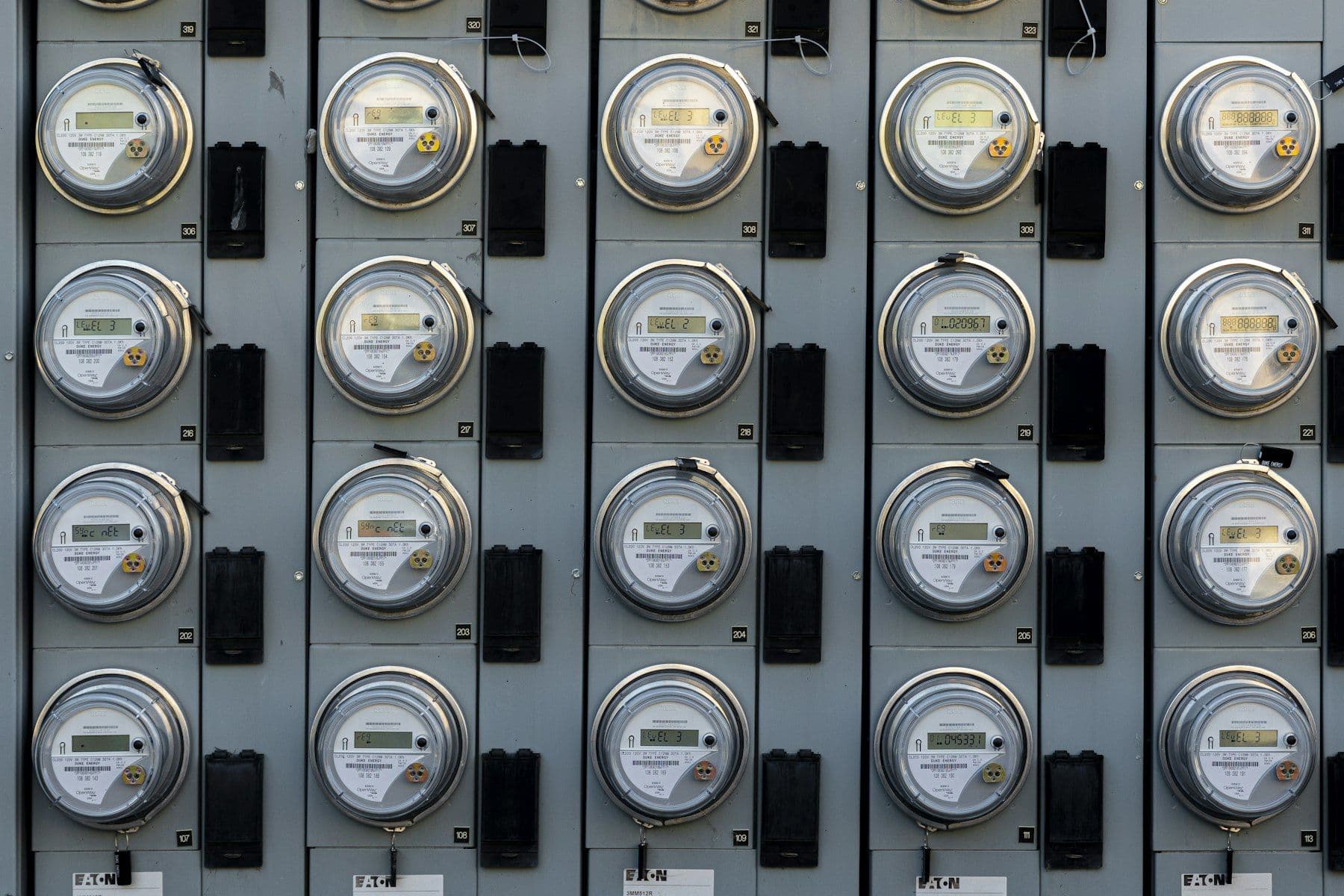
Half hourly meter data is a record of how much electricity your site used in every 30-minute slot of the day, so 48 readings a day. We ask for 12 months of it. The funder's design team uses it to match the system to the power you really use while the sun is up, so nobody pays for generation you can't use.
You don't need it to find out if your site qualifies. A postcode and a recent bill is enough to start. But the best proposal comes from half-hourly readings. If you don't have them, 12 months of bills showing kWh (the unit on your bill) also works.
How to get it
How do you get half hourly meter data from your supplier?
It takes four short steps, and most of it is one email. Rules and speed differ between suppliers, so we can't promise how fast yours replies.
Find your MPAN
The MPAN is the long number on your bill that identifies your electricity supply. Look in its top-left box. If the first two digits there are 00, your meter is half-hourly.
Ask your supplier
Email or call with your MPAN. Ask for 12 months of half-hourly consumption data, as a spreadsheet.
Ask who holds it
Some suppliers have an online portal for business customers. If a meter operator or data collector runs your meter, your supplier can tell you who.
No data? Send bills
12 months of bills showing kWh also works. Send a recent bill and your postcode first and we check your roof.
Words you can copy into the email
“Please send me the half-hourly electricity consumption data for the MPAN on the attached bill, for the last 12 months, as a spreadsheet.”
The whole market is moving to half-hourly readings
Britain's electricity market is moving to settle electricity on half-hourly readings, a programme called market-wide half-hourly settlement. Dates have moved more than once, so ask your supplier where your meter stands.
Why your day matters
A bakery that starts at 6am and a factory that runs at night need different systems
Solar only makes power in daylight. So the question is how much of your use falls inside those hours. Half-hourly data answers it.
A bakery that starts at 6am
A factory that runs nights
The bars show power use hour by hour. The line shows the shape of a sunny day's solar. This is an illustration to show the idea, not anyone's real readings.
What this means for the design
The bakery uses most of its power while the panels are working, so solar fits it well. The night-shift factory uses most of its power in the dark, so the same roof would suit it far less. A battery is added only where your usage justifies one, and the readings show whether it does. If the numbers don't stack up, the proposal shows that too, and nothing binding is signed until you have read it.
Three real sites
Same idea, three different days: how much of the solar was used on site
These numbers come from the sites' own proposals. Each site's mix is set by when it uses power.
| Site | Solar's share of the site's yearly use | Solar used on site | Sent to the grid |
|---|---|---|---|
| Lesters Farm Shop, Buckley (56.7 kW) | 33% | 92% | 8% |
| A dairy farm in North Yorkshire (74 kW, with a 100 kWh battery) | 46% | 74% | 26% |
| Crest Community Centre, Llandudno Junction (50 kW) | 71% | 69% | 31% |
Read it like this. Solar covered 71% of Crest's yearly use, but about a third of what its panels made went to the grid. At Lesters, solar covered 33% and almost all of it was used in the shop. See Crest and Lesters in full.
What the design team looks for
Four things half-hourly readings show that a bill can't
Your daytime load
How much power you draw between sunrise and sunset, month by month. This sets how big the system can usefully be.
Shifts and weekends
An early start, a night shift, a closed weekend or a shutdown week all show up as clear shapes in the readings.
The seasons
A full year sets summer sun against winter use, so the design isn't built on a few unusual weeks.
Whether a battery earns its place
A dairy farm that milks morning and afternoon justified one. A site that uses most of its power under the sun may not need one.
About commercial batteriesTwo fair questions
What people ask when we say we need their data
Can't you size it from my roof?
The roof sets the most that fits, your usage sets what is right
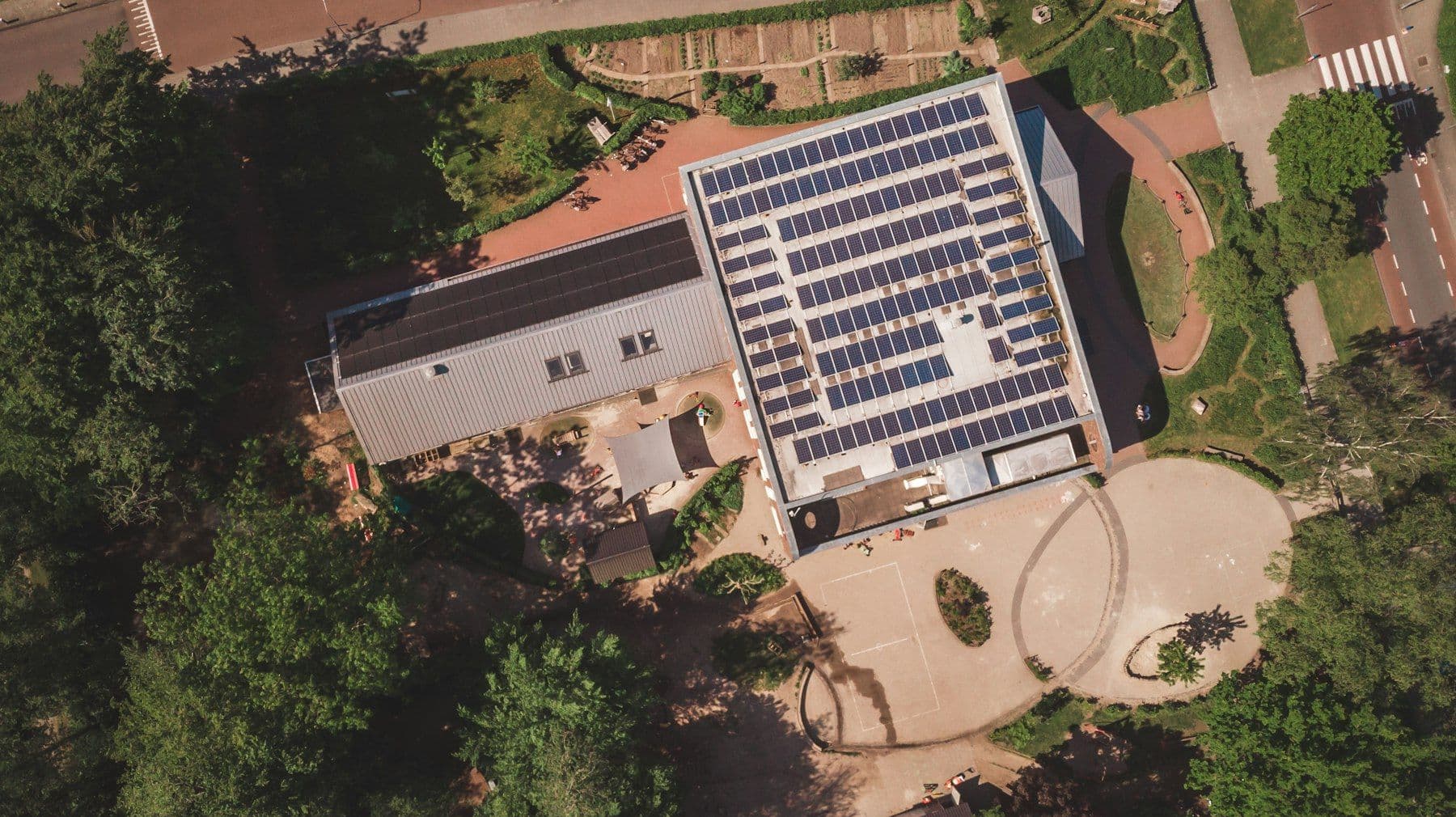
We do check your roof first, from satellite images. But a bigger system than your daytime use can take just sends more power to the grid. The readings tell the design team where to stop, and that is why they come before the proposal.
What if I mostly use power at night?
The data shows it, and the proposal says so plainly
A site that runs in the dark gets less from panels. The design may be smaller, or a battery may be worth adding, or the numbers may not stack up. You find out in the proposal, and the first papers don't bind you for 10 working days.

Never pay for generation you can't use
Sized to your real day, so the numbers hold up
On a solar PPA (a deal where someone else pays for the panels), you only ever pay for the energy you actually use from the system, and you can track it live. Spare power is sold to the grid by the funder, not charged to you.
The funder only earns on what the system generates, so it has no reason to overstate it. Your proposal states how much power the system should make. If it makes less, you pay less. And no saving is ever promised.
Compare that with buying outright. Panels whose power you can't use are still panels you paid for. Sizing from real readings guards against that either way.
No half-hourly data?
What is enough to start, and what slows things down
Don't wait on your supplier before getting in touch. You can start with far less.
Enough to start or to build a proposal
- A postcode and one recent bill, to check your roof and eligibility
- 12 months of half-hourly smart-meter readings, which is best
- 12 months of bills showing kWh, if you have no readings
Slows things down
- A few weeks of readings, which miss the seasons
- Bills that show pounds but not kWh
- A big change on the way that you haven't told us about
After you send it
What happens to your data next
A desktop roof survey
Weeks 1 to 2. We survey the roof from satellite images and read the usage data you sent.
A proposal in up to 5 working days
The funder's design team builds it from your readings. It states the system size, yearly generation and your fixed price per kWh.
A video call, with the funder
We go through the proposal with you, and the funder and equipment partners join so you can ask them anything. It is never emailed cold.
See a real proposalIn their own words
They had the same worry about the detail
“I was pretty sceptical initially because you never get anything for free in this life. But once Dave broke down the detail and explained to me how it would benefit Crest as an organisation, it became quickly to me a bit of a no-brainer.”
“I'd definitely recommend it to any business out there.”
Case studies
Real sites, sized from their own data
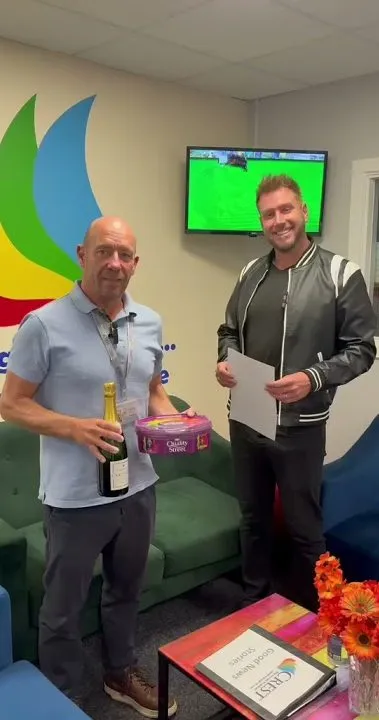
Charity, Llandudno Junction
Crest Community Centre: from 37p to 18p per kWh
A 50 kWp system. £4,739 saved in year one, and the savings help fund the centre's food bank and community radio.
Read the case studyFarm shop, Buckley
56.7 kWLesters Farm Shop, open and trading throughout
- 126 panels at 17p per kWh
- Two 22 kW EV chargers at no cost
- £2,624 saved a year
Questions
Half-hourly data questions, answered
What is half-hourly meter data?
It is a record of how much electricity your site used in each 30-minute slot, so 48 readings a day. A smart meter or a half-hourly meter takes the readings. We use 12 months of it to size your solar system.
How do I get half-hourly data from my supplier?
Find your MPAN on your bill, then ask your supplier for 12 months of half-hourly consumption data for it, as a spreadsheet. Some suppliers have an online portal for business customers. If a meter operator or data collector runs your meter, your supplier can tell you who.
How can I tell if I have a half-hourly meter?
Look at the first two digits in the top-left box of your MPAN. If they are 00, the meter is half-hourly. If not, you may still have a smart meter, so ask your supplier.
What if I have a smart meter but no half-hourly data?
Ask your supplier whether your smart meter is recording half-hourly readings and whether it can send them to you. If it cannot, 12 months of bills showing kWh works as a fallback.
Can I start with just my bills?
Yes. Send a postcode and a recent bill to check your eligibility. For the proposal, the design team needs 12 months of data. Half-hourly readings are best, otherwise 12 months of bills in kWh.
Why does a bakery need a different system from a factory?
A bakery that starts at 6am uses most of its power in the morning, under the sun. A factory that runs at night uses it in the dark. The same roof would be sized differently for each, and half-hourly data shows which one you are.
Do I pay for solar power I cannot use?
No. On a PPA you only pay for the energy you actually use from the system, and you can track it live. Spare power is sold to the grid by the funder. Sizing from your data keeps the system matched to your day.
Why do you need 12 months of data?
A full year shows summer sun against winter use, and quiet weeks against busy ones. A few weeks of readings could point the design the wrong way.
What if my usage is about to change?
Tell Dave when you send your data. A new machine, an extra shift or EV chargers on site all change the shape of your day, and the proposal should reflect that.
Does my data affect the price I pay per kWh?
Yes. The funder sets your rate from your usage data, between 16p and 23p per kWh today (September 2026), fixed for 15 years. That is another reason to send real readings and not a guess.
Keep reading
More guides before you enquire
Where we work
Commercial solar across North Wales and the borders
Based in Colwyn Bay, working across North Wales, Mid Wales, Cheshire, the Wirral, Merseyside and Shropshire. Further afield, our funding partner has approved installers across Great Britain.
Send a postcode and a recent bill to get started
We check your roof on a map and tell you quickly, and ask for your readings only when you're ready. Or see a real proposal first, and read how a solar PPA works.