
Fully funded, and only where your data says it pays
Commercial Battery Storage in North Wales
Commercial battery storage in North Wales stores the spare power your panels make in the day, so your site can use it later. Many sites won’t need one. We add one only where your usage data says it pays, inside the same fully funded solar deal.
Nothing to pay up front. A battery is never promised before survey.
£0 up front
Our funding partner pays for the system. Not even a deposit
Fixed for 15 years
Between 16p and 23p per kWh today, depending on the site (September 2026)
 NAPIT
Our installers are accredited
Our installation partners are MCS registered, and RECC and NAPIT accredited
One person to call
Dave handles the funder, the installer and the grid for you, first call to first bill
What a battery does
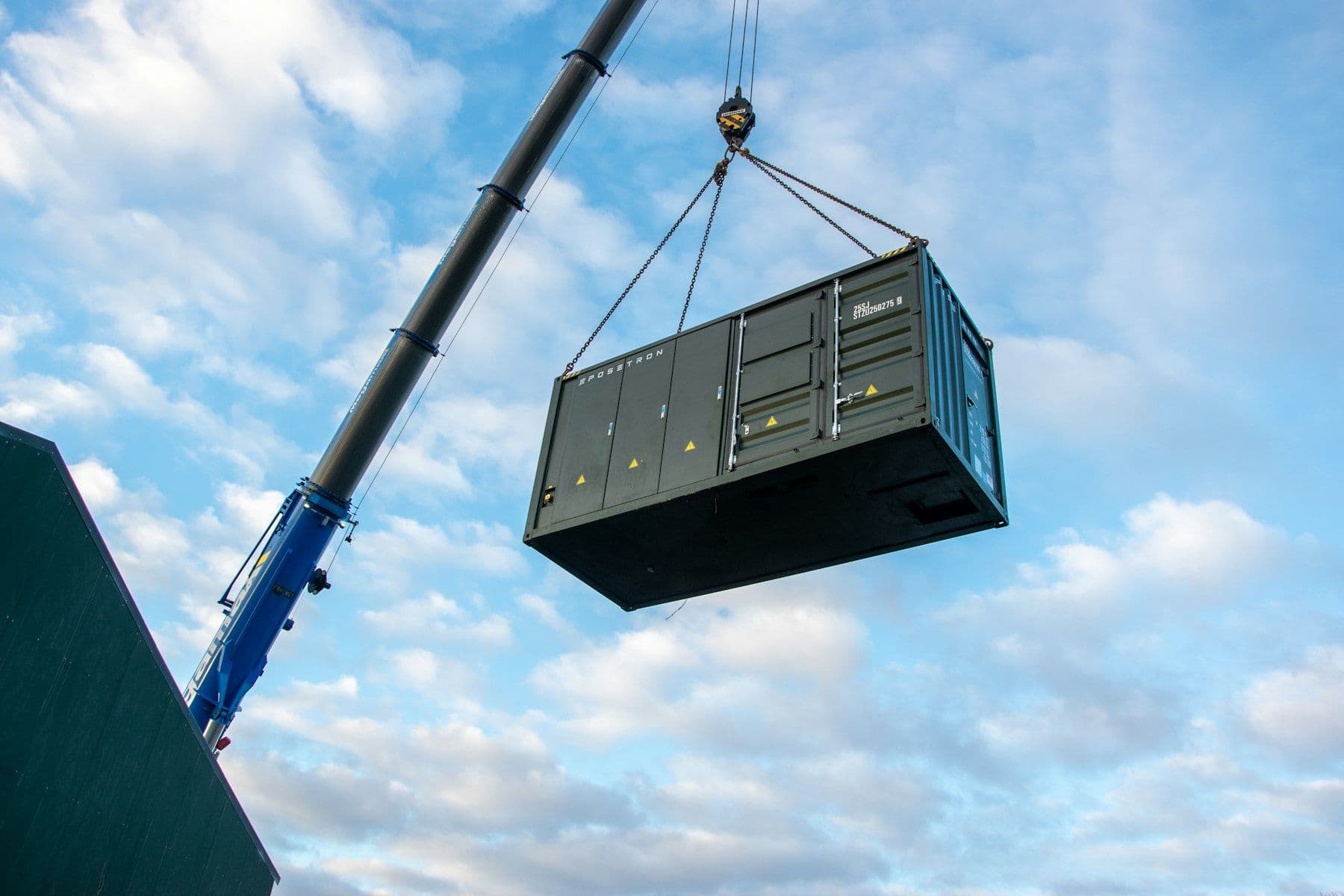
A battery keeps the midday power you can’t use, and gives it back later
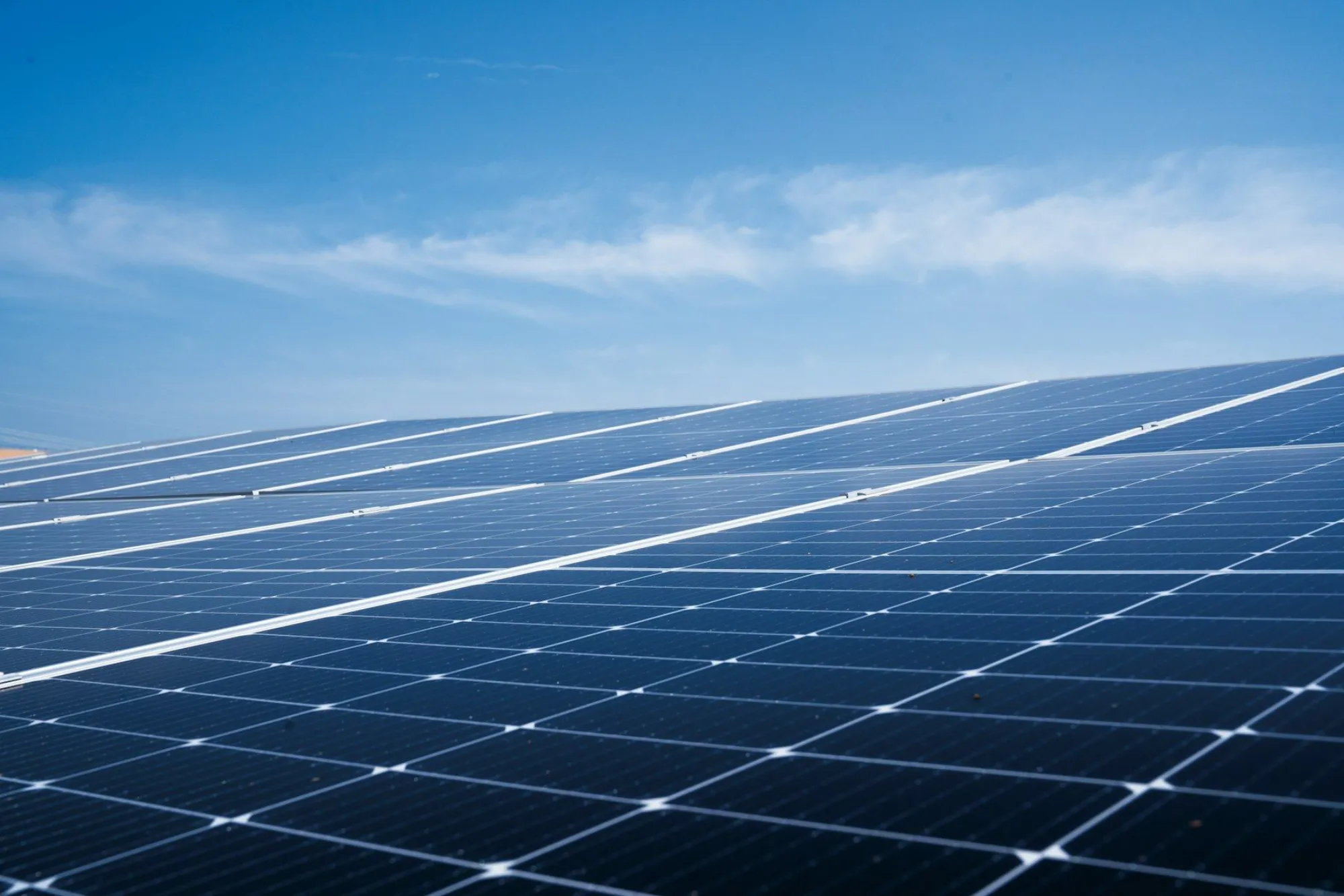
Solar panels make the most power around midday. Plenty of sites use most of their power earlier or later than that. Without a battery, the spare power is sold to the grid. With one, it waits in the battery and your site uses it once the panels have slowed down.
Power is counted in kWh (kilowatt-hours, the unit on your bill). A battery is counted in kWh too, so a 100 kWh battery holds 100 kWh. Each kWh you take from it is one you don’t buy from your supplier at the grid rate.
Here it all sits inside a power purchase agreement (PPA). Our funding partner pays for the system, and you pay only for the solar power you use, at a price per kWh that doesn’t change for 15 years.
See how a PPA works, step by stepThree things to know first
A battery is an extra, never a must
The solar deal works without one. This is how a battery fits in when it does make sense.
The solar works on its own
Crest Community Centre and Lesters Farm Shop both went ahead with no battery. Plenty of sites are the same, because the panels’ power is used as it is made.
Your data decides
The funder’s design team reads your half-hourly smart-meter readings (one every 30 minutes) to see when you use power. If a battery earns its place, it goes into the design.
About half-hourly dataIt sits inside the same deal
You pay nothing up front. The funder pays for the battery, and your rate covers it. That rate is a little higher with a battery than without.
Is it worth it?
Commercial battery storage in North Wales: when it pays, and when it doesn’t
We never promise one before survey. These are the signs we look for.
A battery can pay when
- Your biggest loads sit early and late, with a gap in the middle. Milking at a dairy farm, morning and afternoon, is the classic case.
- You start before the sun is up, like a bakery at 6am, or you run split shifts that carry on into the evening.
- A large share of what your roof makes would go back to the grid. On the dairy farm proposal it was 26%.
- You pay a lot per kWh now. The more you pay, the more you save.
Where we’d say think again
- Most of your power is used in the middle of the day, when the panels are already making it. Lesters Farm Shop uses 92% of what its roof makes.
- Very little would go back to the grid. Lesters sells 8%, so a battery would have little to store.
- You want the lowest rate you can get. A battery lifts the price per kWh a little.
- You want the biggest battery going. A bigger one only pays if you use what it stores.
A big share going to the grid is a reason to look closer, not a rule. Crest sends 31% to the grid and went ahead without a battery. Your own half-hourly data settles it.
A real example
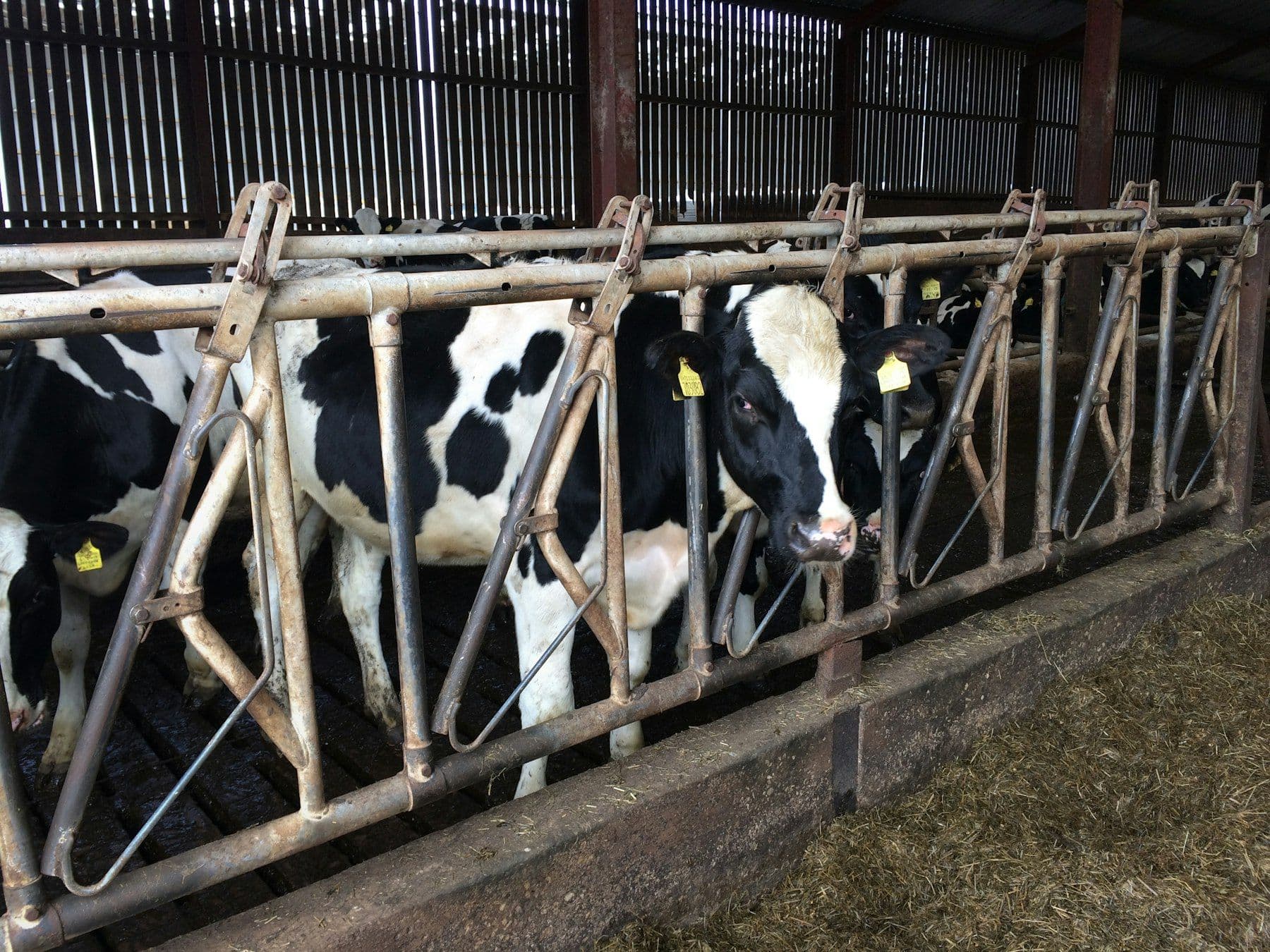
A dairy farm in North Yorkshire that milks twice a day
This comes from a real proposal for a dairy farm, written as a proposal and not as one of our installs. The farm milks in the morning and again in the afternoon, so its heaviest use misses the middle of the day, when the panels make the most. It is the kind of site where a battery can earn its place.
What the numbers said
The farm uses 99,577 kWh a year. The panels would make 62,054 kWh, so solar covers 46% of what the farm uses. Of the power the panels make, 74% is used on site and 26% goes back to the grid.
What it did to the bill
The farm paid about 53p per kWh before. The proposal prices the solar at 21p per kWh, battery included. Its yearly bill falls from £52,776 to £28,387, plus £9,666 for the solar power. That is a saving of £14,723 a year.
One farm’s proposal. Illustrative, never a promise.
Solar for farms in North WalesThe kit
What was in that dairy farm proposal
The funder’s design team picks the kit for each site, so yours may differ. This is one real example.
| What | In the proposal |
|---|---|
| Panels | 120 Astronergy 620 W panels, 74 kW in all. They are bifacial, which means they catch light on both sides. |
| Inverter | A SolaX AELIO 60 kW three-phase hybrid inverter. An inverter turns the panels’ power into the kind a building uses, and a hybrid one also runs the battery. Three-phase is the stronger supply most farms and businesses have. |
| Battery | 100 kWh. That is how much it can hold. |
| Power made | 62,054 kWh a year |
| Price | 21p per kWh, battery included, held for the full term |
Kit comes from tier-one makers and the funder’s design team chooses it for each site.
What it does to your rate
A battery lifts the rate a little: three real proposals side by side
They are different sites and different sizes, so this isn’t a price list for batteries. It does show the direction.
| What to compare | Crest Community Centre | Lesters Farm Shop | Dairy farm, North Yorkshire |
|---|---|---|---|
| Battery | None | None | 100 kWh |
| Paid the grid before | 37p per kWh | About 23p per kWh | About 53p per kWh |
| Solar rate | 18p per kWh | 17p per kWh | 21p per kWh |
| Used on site, sent to the grid | 69% and 31% | 92% and 8% | 74% and 26% |
| Saving | £4,739 in year one | £2,624 a year | £14,723 a year |
Savings come from each proposal. They are illustrative, never promised. Read the Crest case study or the Lesters case study.
What you can count on
Six things that stay the same, battery or not
The catch, named first
The funder rents your roof space (a roof lease) and runs a soft credit check on the business. It leaves no mark on your file. The first papers don’t bind you and stay open for 10 working days.
Your data, not our wish
A battery goes in only if your usage justifies it. We never promise one before survey.
Looked after for the full term
The system is watched from a central screen. If something stops, it gets fixed at no cost, and your site uses the grid in the meantime.
One person to call
Dave sits between the funder, the kit supplier, the installer and the grid operator. He only gets paid when your system is switched on.
More about DaveA price that stays put
Your price per kWh will never change, battery included. It does not follow inflation or the price cap.
A way out
Your proposal prints a buy-out price for every year, so you can see your way out before you sign.
Compare a PPA with buyingIn their own words
What Crest and Lesters said about the deal a battery would sit inside
“I was pretty sceptical initially because you never get anything for free in this life. But once Dave broke down the detail and explained to me how it would benefit Crest as an organisation, it became quickly to me a bit of a no-brainer.”
“I'll be honest, I was a bit sceptical at first. It sounded too good to be true.”
- System size (peak output)
- 50 kWp
- Power it makes each year
- 36,290 kWh
- Fixed price for 15 years
- 18p per kWh (was 37p)
- Saving in year one
- £4,739
- Saving over 15 years
- £131,796
The 15-year figure assumes grid prices rise 5% a year. Your proposal works out your own figures, never a promise.
Free, in writing, no obligation
Your proposal shows whether a battery earns its place
The funder’s design team works from your own usage data. If a battery is worth adding, the proposal shows the kit and the rate that comes with it. If it isn’t, you see solar on its own. This one is Crest’s, which has no battery. Yours comes back in up to 5 working days.
- The system designed for your siteSized to your real usage by the funder's design team, with how much power it should make each year.
- Your fixed price per kWhSet from your usage data. Between 16p and 23p today, and fixed for 15 years.
- Your savingsIn year one and over 15 years, worked out from your own bills. Illustrative, never a promise.
- Your buy-out price for every yearPrinted in full, falling each year to £1 at year 15. So you can see your way out before you sign.
A battery in figures
What the battery did on one real proposal
From the dairy farm in North Yorkshire.
Size
100 kWhof storage, with a 60 kW inverterPaired with 74 kW of panels. The 100 kWh is how much it holds, and the 60 kW is the most the SolaX AELIO inverter can move at once.
Price
21pper kWh, battery includedThe farm paid about 53p before. Our two sites with no battery sit at 17p and 18p.
See a real proposalSaving
£14,723a year, in the proposalPer kWh, the more you pay now, the more you save. That is why a farm paying about 53p saves more than a shop paying about 23p.
From one real proposal, illustrative, never a promise. Yours works out your own.
Sizing
How big a battery is, and what 100 kWh really holds
A kW is the rate power flows, and a kWh is one kW used for an hour. A battery holds a fixed number of kWh, so the more your site draws, the faster it empties.
Simple arithmetic on a 100 kWh battery, ignoring losses and any reserve. It shows why size matters. Your own data sets the real figure.
Who decides the size
The funder’s design team sizes it to your real load, so nobody pays for storage they can’t use. A bakery that starts at 6am needs a different design from a factory that runs at night.
What changes the size
New machines, an extra shift or EV chargers all change when you use power. Tell us what is coming before the proposal is built.
What a battery costs you
Nothing up front, and a rate that rises a little with a battery
To have a battery designed, fitted and connected
If your data supports one, the funder pays. Not even a deposit.
Per kWh with a battery, in the dairy farm proposal
Battery included, and held for the full term. The farm paid about 53p before.
Per kWh with no battery, at Lesters and Crest
Lesters is 17p and Crest is 18p. Different sites, so a direction and not a price list.
Rates run from 16p to 23p today, depending on the site (September 2026). To compare with buying, see what commercial solar costs to buy.
Price per kWh, with and without a battery
- No battery: 17p to 18p (Lesters 17p, Crest 18p)
- With a battery: 21p (a dairy farm in North Yorkshire)
Three different sites, so a direction and not a price list. Your rate depends on your site and is set from your usage data. Illustrative, never a promise.
Check your eligibilityFree, no obligation, about two minutesThe honest comparison
A battery inside a PPA or one you buy yourself: how they compare
Buying a battery yourself can win if you have the cash and want to run it. These are the rows that matter.
| What to compare | Solar PPA with Bay Bright | Buying outright |
|---|---|---|
| Cost up front | £0, because the funder pays | The full cost of the battery, on top of the panels |
| What you pay per kWh | A little more per kWh, held for the full term | Nothing per kWh once it is paid for, which is the big win of buying |
| Who sizes it | The funder’s design team, from your half-hourly data | You or your installer, and the risk of getting it wrong is yours |
| If you turn out not to need one | It is left out and the solar works alone | You have paid for it either way |
| Looking after it | Watched centrally and fixed at no cost for the full term | Yours to arrange and pay for |
| Who owns it | The funder, until you buy the system out from the printed schedule | You, from day one |
Three worries we hear about batteries
Price, need and upkeep: the worries we hear most

Will a battery push my price per kWh up?
A little, yes, and here is who pays for it
The funder pays for the battery and earns it back through the rate, as it does with the panels. So the rate is higher: 21p on the dairy farm proposal against 17p to 18p at our two sites with no battery. The funder also earns from the solar you use and from spare power it sells to the grid. You still pay nothing to start.
What if I don’t need one?
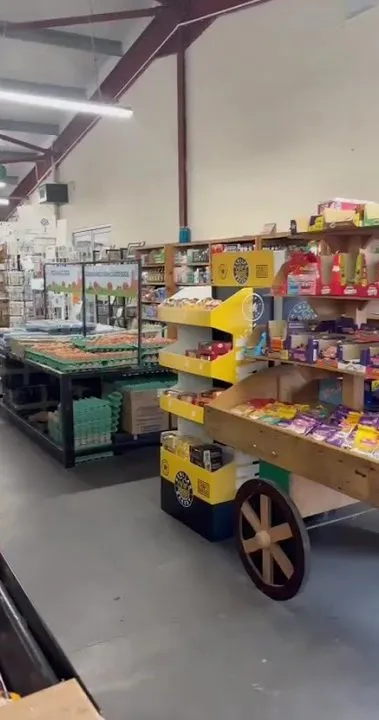
Then it is left out, and the solar works alone
Lesters Farm Shop and Crest Community Centre have no battery, and their rates are 17p and 18p. A battery goes in only where your usage justifies it, and that is settled at survey. We never promise one before.
Who looks after a battery, and what if it stops?
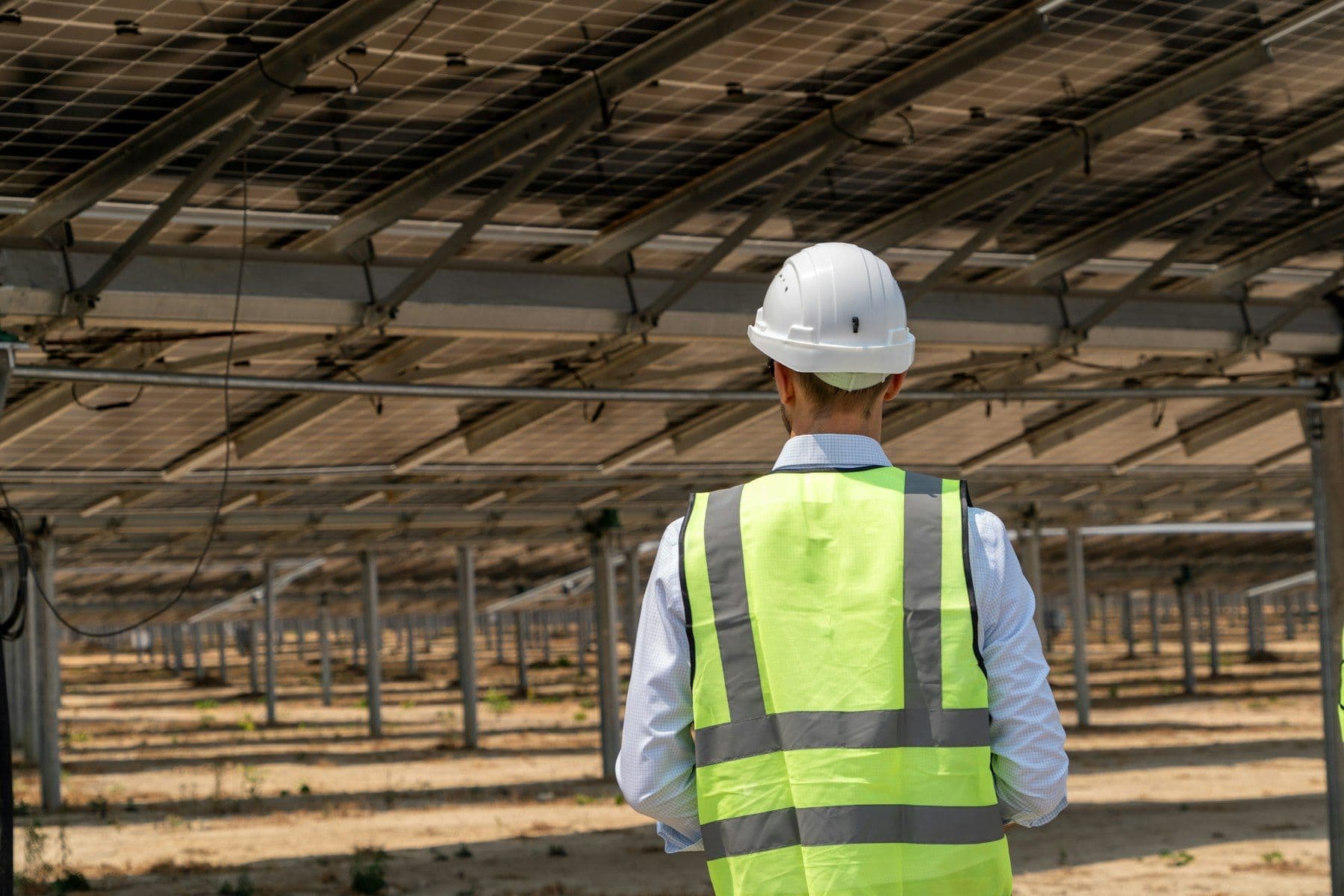
The same people who watch the panels, at no cost to you
The whole system is watched from a central screen for the full 15 years. If anything goes down it gets fixed at no cost, and your site simply uses the grid until it is back. The funder only earns when the system generates, so it has every reason to keep it working.
How it works
From first call to switch-on, with the battery question answered early
The battery is one more thing the funder’s design team looks at, so it is settled inside these steps. The solar takes about five to six weeks in North Wales, and up to 12 where the grid operator is slower.
Before you decide anything
- 1
Tell us about your site
A few quick questions, about two minutes. Or just call. Dave calls back within 24 hours.
- 2
Send a year of usage data
Half-hourly readings are best, because they show when you use power. That is what tells us if a battery would earn its place.
- 3
Your proposal, on a video call
The funder’s design team builds it in up to 5 working days. If a battery is in the design, you see the kit and the rate it brings. The funder joins the call.
- 4
Paperwork that doesn’t bind you
Three first papers let us apply to the grid for you. They are not binding and stay open for 10 working days.
Once you've said yes
- 5
Site survey and grid approval (DNO)
A full survey on site settles whether a battery goes in. Then we apply to the grid operator (called the DNO) and pay the fee.
- 6
Fitted while you stay open
MCS-registered installers fit the system. Both our case-study customers stayed open throughout.
- 7
Switch-on and your first bill
The direct debit starts once the system is running. Dave comes back after a month to check your first bill with you.
What goes in
The parts of a battery system, and what each one does
The battery
Stores the spare daytime power. It is 100 kWh in our dairy farm example, and your size comes from your data.
The hybrid inverter
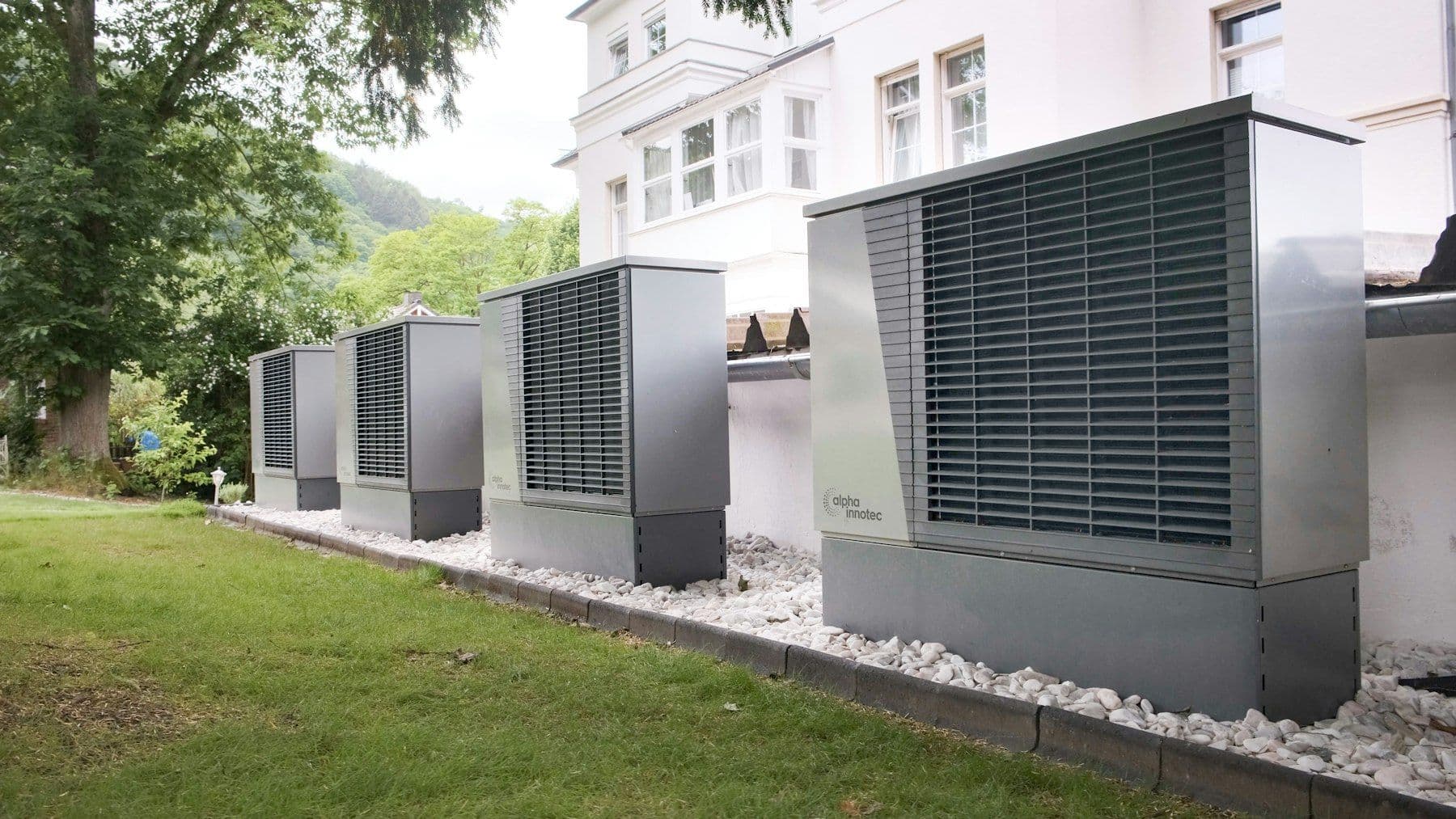
An inverter turns the panels’ power into the kind your building uses. A hybrid one also runs the battery. The example uses a SolaX AELIO 60 kW three-phase unit.
The panels
Tier-one makers such as Canadian Solar and Astronergy. The example uses 120 Astronergy 620 W panels, and the design team picks kit for each site.
The monitoring
The system is watched from a central screen, and you can track what you use from it live.
EV chargers
Two SolaX 22 kW chargers at no cost where there is a car park, subject to survey. They change when your site uses power, so mention them when you enquire.
See commercial EV chargingFarms and bigger sites
Barn roofs and big daytime loads, from milking to chilling. A battery too, where your usage justifies one.
See solar for farmsDo you qualify?
Does your site qualify for solar, with or without a battery?
The solar has to qualify first. Then your data shows if a battery is worth it. The full list is on our eligibility page.
A three-phase supply
The stronger supply most businesses and farms have. A single-phase supply, like most houses have, caps a system at about 15 to 17 kW.
About three-phase and the gridRoom for at least 20 kW
About 45 to 50 panels, on a roof or on land. We check it from satellite pictures first. Our completed jobs run from 50 to 74 kW.
A year of usage
Half-hourly readings are best, and they matter most for a battery. Otherwise, 12 months of bills in kWh.
The owner’s agreement, if you rent
The building owner has to agree to panels on the roof. It helps them too, because the EPC (energy performance) rating can go up.
About EPC B and 2031A business, farm or charity with no solar yet
Warehouses, farms and farm shops, schools, care homes, hotels and community buildings, with no existing solar. We don’t do homes.
Solar for businessNot sure? Just ask
Send a postcode and a recent bill. We check your roof on a map and tell you quickly. It costs nothing.
Case studies
Two sites that went ahead without a battery

Charity, Llandudno Junction
Crest Community Centre: from 37p to 18p per kWh
A 50 kWp system. £4,739 saved in year one, and the savings help fund the centre's food bank and community radio.
Read the case studyFarm shop, Buckley
56.7 kWLesters Farm Shop, open and trading throughout
- 126 panels at 17p per kWh
- Two 22 kW EV chargers at no cost
- £2,624 saved a year
Where we work
Commercial solar and batteries across North Wales and the borders
Based in Colwyn Bay, working across North Wales, Mid Wales, Cheshire, the Wirral, Merseyside and Shropshire. Through our funding partner’s approved installers we reach anywhere in Great Britain. See also commercial EV charging, solar for business and the solar PPA.
Questions
Commercial battery storage questions, answered straight
What is commercial battery storage in North Wales, and how does it fit a solar deal?
A battery stores the spare power your panels make in the day, so your site can use it later. We arrange one inside a solar power purchase agreement (PPA), where our funding partner pays for the system and you buy the power at a set price per kWh. It is added only where your usage justifies it, and that is settled at survey.
When is a battery worth adding?
It can pay when your biggest loads sit early and late in the day, or when a large share of what your roof makes would otherwise go back to the grid. A dairy farm that milks morning and afternoon is the classic case. Many sites use most of their power at midday, and for them the solar works well on its own.
Do I need a battery to get a solar PPA?
No. Most sites won’t need one. Crest Community Centre and Lesters Farm Shop both went ahead without a battery. A battery is an extra, never a must.
What does a battery do to my price per kWh?
It raises it a little, because the battery is paid for through the rate. A dairy farm in North Yorkshire had 21p per kWh with a battery in its proposal. Our two sites without one are at 17p and 18p. They are different sites, so treat it as a direction and not a price list.
Do I pay anything up front for a battery?
No. The battery sits inside the same deal as the panels, so you pay nothing to start. Its cost is covered by the rate you pay per kWh, which stays the same for the full term.
Who decides whether my site gets a battery?
Your usage data decides, and the survey settles it. The funder’s design team reads your half-hourly smart-meter readings to see when you use power. We never promise a battery before that.
How big is the battery in a real proposal?
The dairy farm proposal paired 74 kW of panels with a SolaX AELIO 60 kW hybrid inverter and a 100 kWh battery. The 100 kWh is how much it can store, and the 60 kW is the most the inverter can move at once. Your size would come from your own data.
How much could a battery save us?
It depends on what you pay the grid now. The more you pay, the more you save. The dairy farm’s proposal had its yearly bill falling from £52,776 to £28,387, plus £9,666 for the solar, a saving of £14,723 a year. That is one farm’s proposal, illustrative and never a promise.
Who looks after the battery, and what if it stops?
The whole system is watched from a central screen for the full 15 years. If anything goes down it gets fixed at no cost, and your site uses the grid until it is back. Checks and cleaning are covered as well.
What happens at the end of the 15 years?
You choose. Buy the system for £1, agree a new price and carry on, stay at the same price for five more years and then buy it for £1, or pay to have it taken away. The panels carry a 30-year warranty, so they should make free power for at least 10 more years after a £1 buy-out.
Does my site qualify?
You need a three-phase supply, room for at least 20 kW of panels, and a year of electricity data. The site must not have existing solar. If you rent, the building owner has to agree. Not sure? Send a postcode and a recent bill and we will check your roof on a map. We don’t do homes.
Find out if your site qualifies, and if a battery would pay
Send your postcode and a recent bill. We check your roof on a map and tell you quickly. Your data decides the battery, and it costs nothing to find out.