
Funded solar for sites across Great Britain, based in North Wales
Solar PPA: Commercial Solar With No Upfront Cost
A solar PPA (power purchase agreement) means someone else pays for the panels on your roof, and you buy the power they make at a price per kWh (the unit on your electricity bill) that is fixed for 15 years. It is for businesses, farms and charities, not homes.
Nothing to pay up front, not even a deposit. Fixed for 15 years.
“I'll be honest, I was a bit sceptical at first. It sounded too good to be true.”
£0 up front
Our funding partner pays for the system. Not even a deposit
Fixed for 15 years
Between 16p and 23p per kWh today, depending on the site (September 2026)
 NAPIT
Our installers are accredited
Our installation partners are MCS registered, and RECC and NAPIT accredited
One person to call
Dave handles the funder, the installer and the grid for you, first call to first bill
What a solar PPA is
What is a solar PPA? You buy the power, someone else buys the panels
You are not buying panels. You are buying electricity, as you do now, but at a lower price that never moves. A funder pays for the system, fits it and looks after it. You can buy it out (pay a set price to own it) whenever it suits you, or own it for £1 at the end of year 15.
Your own price depends on your site and how you use power. You see it, in writing, in your proposal.
How it works day to day
Your building runs on the roof first, then the grid tops it up
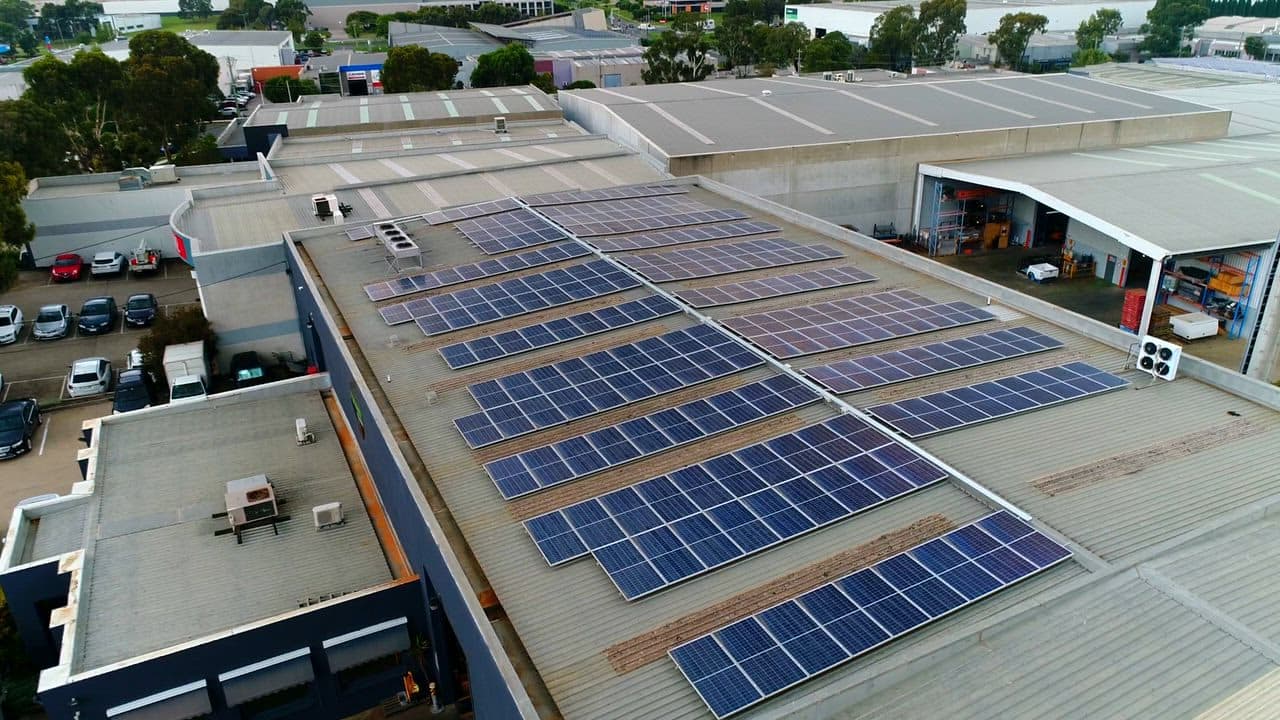
Nothing changes in how you use power. The panels feed an inverter (the box that turns their output into the power your building runs on), and that sits between the panels and your site’s supply.
- The roof goes firstIn daylight your building uses the solar power as it is made.
- The grid fills the gapsWhen the roof can’t cover what you use, the rest comes from the grid as normal.
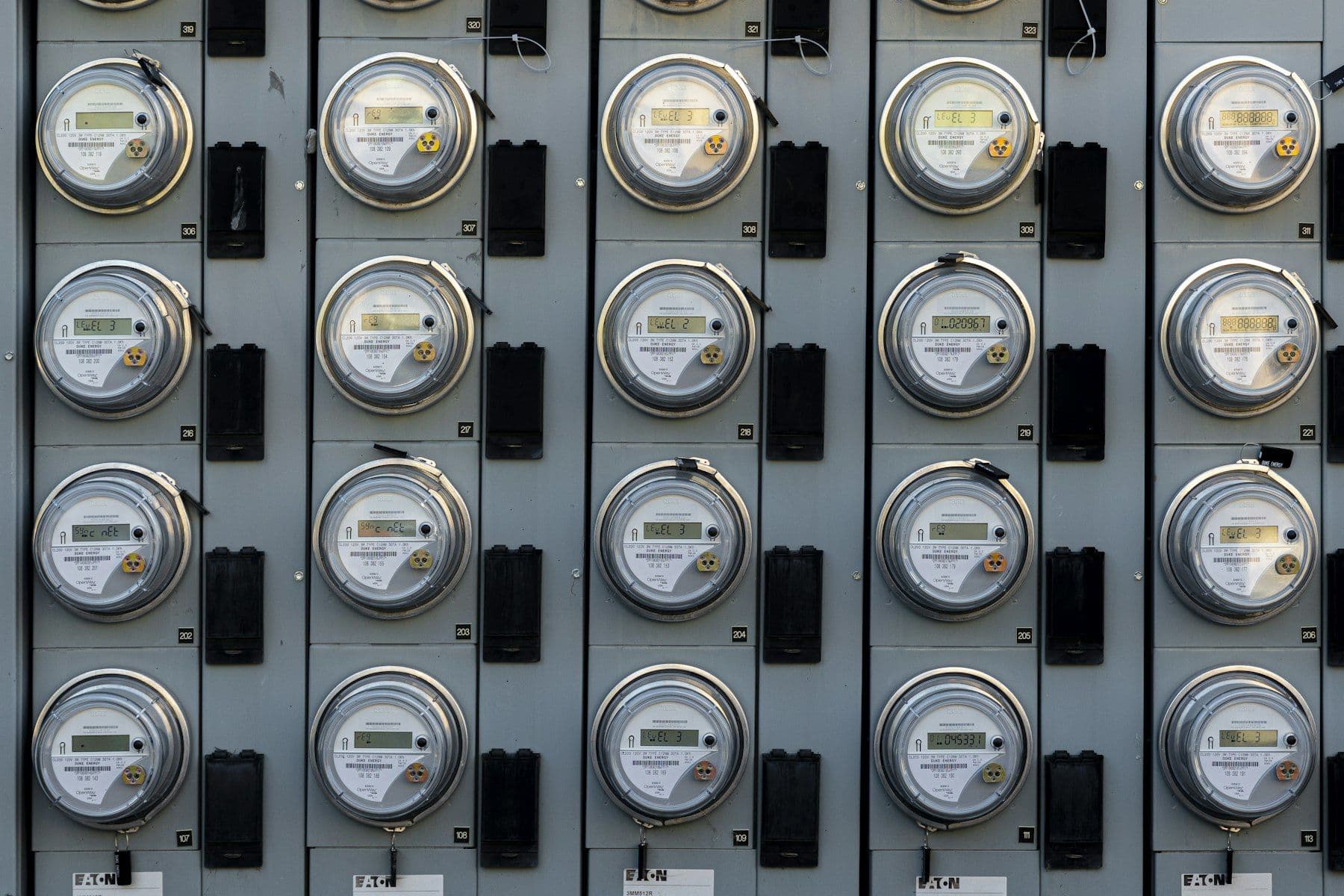
- Two kinds of kWh, billed apartSolar kWh come on one monthly direct debit. Grid kWh stay with your current supplier, on your current contract.
- You can watch itYou only pay for the power you actually use from the system, and you can track it live.
Who a solar PPA suits
Sites that use power in the day, from farms to care homes
If your site uses power while the sun is up, it is likely to suit. We don’t do homes. Pick your type of site for a page written for it.
Warehouses and factories
Big roofs and plenty of power used from morning to evening, so most of what the roof makes is used on site.
See warehouses and factoriesFarms
Barn roofs and power use that starts early. A battery can be added where your usage justifies one.
See solar for farmsCharities and community centres
Crest Community Centre went from 37p to 18p per kWh, and the saving helps fund its food bank and community radio.
See charities and communitySchools
Most of a school’s power is used in the day, when the sun is out. If the building isn’t yours to decide on, its owner has to agree.
See schoolsCare homes
Lights, laundry and kitchens run through the day, so a good share of the roof’s power gets used straight away.
See care homesHotels, shops and hospitality
Sites with a car park can also have two EV chargers at no cost, subject to survey, and keep 50% of the revenue.
See hotels, retail and hospitalityOur solar PPA pages
Pick the question you want answered next
How it works, whether you qualify, how it compares with buying, and a real proposal.
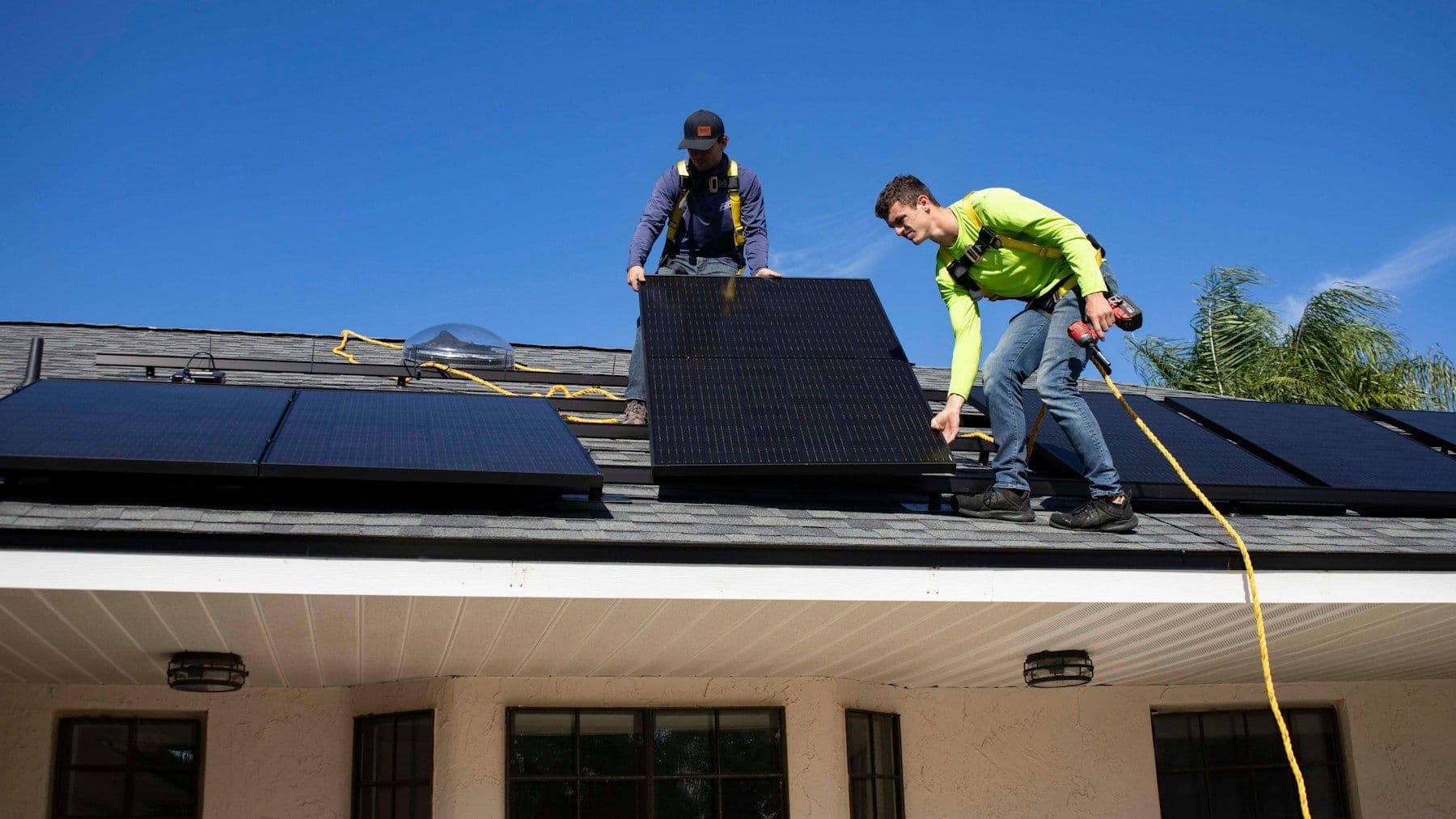
How a Solar PPA Works
The steps from first call to switch-on, how your solar and grid power sit side by side, and what the grid check involves.
See how it works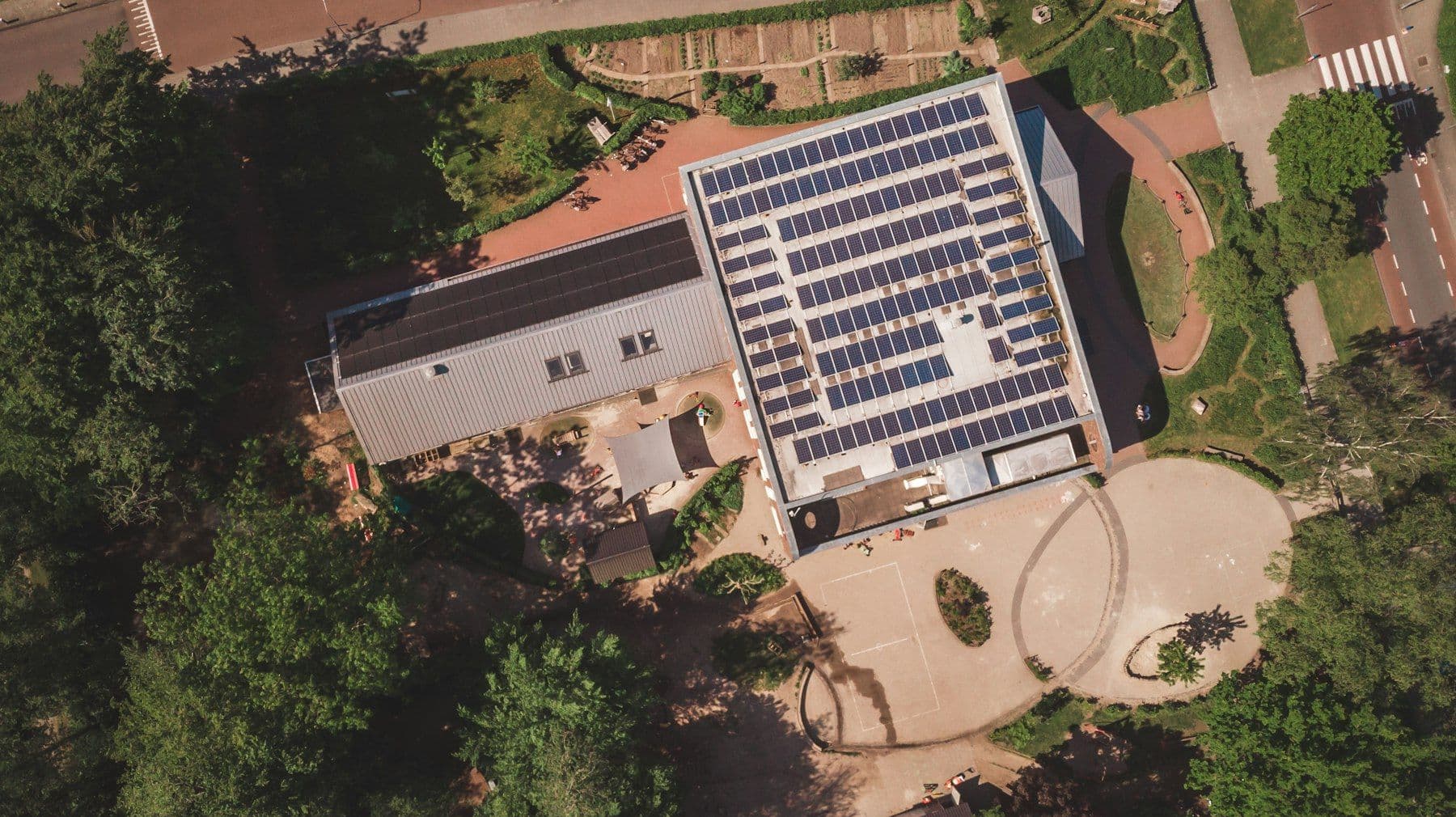
Do You Qualify?
What a site needs to qualify, and how to find out quickly with just a postcode and a recent bill.
Check if you qualify
Solar PPA vs Buying
An honest side-by-side, including where buying the panels yourself comes out ahead.
Compare the two
A Real Proposal
Crest Community Centre's proposal, line by line, with every figure the funder's design team printed.
See a real proposal
Why Bay Bright
Why arrange your solar PPA through Bay Bright
Bay Bright doesn’t own the panels or fit them. We arrange the funding, manage the job and stay on the phone, so you deal with one person instead of four companies.
- One person, first call to first billDave Williams deals with the funder, the kit supplier, the installer and the grid operator. He calls you back within 24 hours.
- Paid only when it worksWe are only paid when your system is switched on, so we want it to run well for the whole term.
- Nothing binds you at the startThe first three papers are not binding and stay open for 10 working days.
- Accredited installation partnersOur installation partners are MCS registered, and RECC and NAPIT accredited.
- A price that stays putOurs is fixed for the full 15 years. Check that any PPA you compare says the same.
In their own words
Two customers who thought it was too good to be true
“I was pretty sceptical initially because you never get anything for free in this life. But once Dave broke down the detail and explained to me how it would benefit Crest as an organisation, it became quickly to me a bit of a no-brainer.”
“I'll be honest, I was a bit sceptical at first. It sounded too good to be true.”
- System size (peak output)
- 50 kWp
- Power it makes each year
- 36,290 kWh
- Fixed price for 15 years
- 18p per kWh (was 37p)
- Saving in year one
- £4,739
- Saving over 15 years
- £131,796
The 15-year figure assumes grid prices rise 5% a year. Your proposal works out your own figures, never a promise.
Free, in writing, no obligation
A real proposal first, before you commit to anything
Send us a postcode and a recent bill. The funder’s design team builds a proposal for your site in up to 5 working days, and we go through it with you on a video call. This one is Crest Community Centre’s, a 50 kWp system (50 kilowatts of panels at their peak) with the real figures.
- The system designed for your siteSized to your real usage by the funder's design team, with how much power it should make each year.
- Your fixed price per kWhSet from your usage data. Between 16p and 23p today, and fixed for 15 years.
- Your savingsIn year one and over 15 years, worked out from your own bills. Illustrative, never a promise.
- Your buy-out price for every yearPrinted in full, falling each year to £1 at year 15. So you can see your way out before you sign.
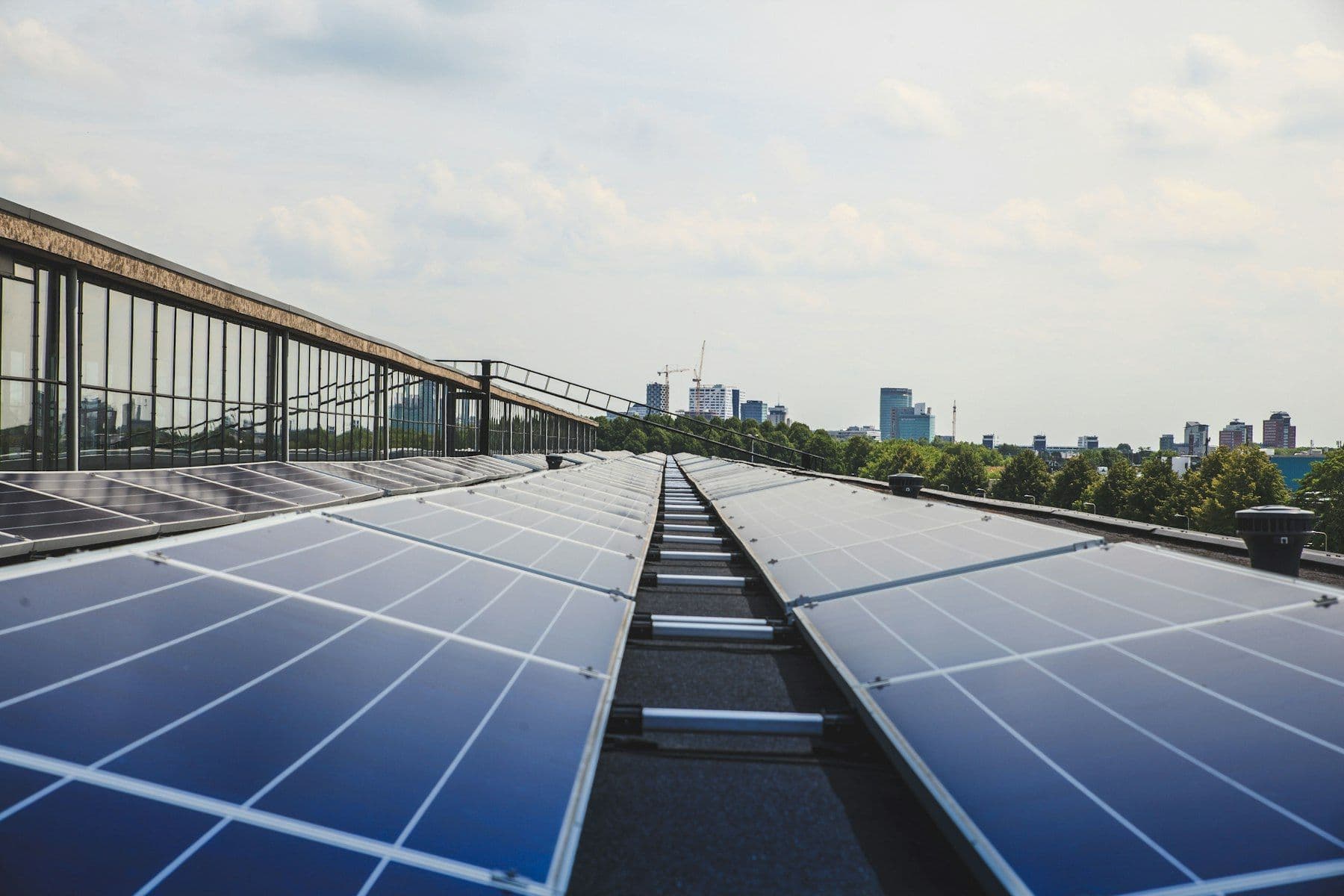
What a solar PPA does for a business
Lower bills, a better EPC rating and a carbon figure you can report
Three reasons sites go ahead, with figures from real proposals.
A bill that falls furthest where you pay most
£2,624 to £14,723saved a year in two real proposalsEverything is priced per kWh, so the more you pay now, the more you save. Lesters Farm Shop was paying about 23p and saves £2,624 a year on a 56.7 kW system (kW, kilowatts, is the size of the system). A proposal for a dairy farm in North Yorkshire starts from about 53p and shows £14,723 a year on 74 kW.
What buying costs insteadA better EPC rating as well as a lower bill
EPC B from 2031for larger rented commercial buildingsAn EPC is the energy performance certificate every commercial building needs. The government has confirmed that privately rented buildings over 1,000 square metres will need an EPC B from 2031. Solar is one of the most direct ways to lift a rating, and a PPA does it at no up-front cost. Comply now at no cost, or pay later.
About EPC B and 2031A carbon figure you can report
8 to 13 tonnesof carbon a year in three real proposalsThe funder’s own calculation gives 8 tonnes for Crest, 10 for Lesters and 13 for the dairy farm. That supports CSR and net-zero reporting, and using less grid power can also cut your Climate Change Levy (CCL), the charge on business energy use.
Figures from real proposals, never a promise. Your proposal works out your own.
What it costs
What a solar PPA costs: nothing to start, then 16p to 23p a kWh
To have it designed, fitted and connected
Our funding partner pays for the panels, inverter, frames, scaffolding, labour and grid connection. We cover the grid application fee too, usually £500 to £1,000. No deposit.
Per kWh for the solar you use, fixed for the full term
Your rate is set from your site’s usage data (September 2026). Crest pays 18p and Lesters 17p. It comes as one monthly direct debit, and only for the solar you use.
To own the system at the end of year 15
Or buy it out sooner from the price list in your proposal. Crest’s runs from £42,741 down to £1.
Savings are illustrative and never promised. To see what buying panels yourself would cost, read what commercial solar costs to buy or the PPA versus buying comparison.
What you pay per kWh for the solar you use
- PPA price: 16p to 23p, fixed for 15 years
- What our case-study customers were paying: about 23p to 53p
PPA prices as of September 2026, and your rate depends on your site. Savings are illustrative, never promised. Your proposal works out your own.
Check my eligibilityFree, no obligation, about two minutesHow can it be free?
How the money works: who pays for what, and how the funder earns
The funder isn’t being kind. It earns from two things: the solar power you buy, and the spare power it sells to the grid. Over 15 years that covers the cost of the system, and a bit more.
| What to compare | You | Our funding partner |
|---|---|---|
| Pays for the system | Nothing. Panels, frames, scaffolding, labour and grid connection are covered. | All of it, up front. |
| Owns the system | Not until you buy it out. £1 at year 15. | It does, until you buy it out or the 15 years end. |
| Owns the roof | You do, always. | Never. It leases the space the panels sit on, nothing more. |
| Pays each month | One direct debit, for the solar kWh you use, at the fixed price. | Nothing. It watches the system and keeps it running. |
| Earns | A lower bill, because solar kWh cost less than grid kWh. | Your solar payments, plus what it sells to the grid. |
| Looks after it | Nothing to do. Panels are cleaned every 6 to 12 months at no cost. | Monitors, maintains and cleans it for the whole term. |
Three things we tell you up front. The funder runs a soft credit check on your business, which leaves no mark on your file. It takes a lease on your roof space, but never owns your roof or building. And the first papers you sign don’t bind you and stay open for 10 working days. The detail is on the how it works page.
Not locked in
Buying it out: the price falls every year and is printed before you sign
A buy-out is the price you would pay the funder to own the system. You can pay it at any time. This is Crest’s real list, and yours is different.
Your proposal prints the price for every year, not just these five. If you sell or move, the contract can pass to the new owner or occupier at the same rate, or you can buy it out from the same list. See the whole proposal, line by line.
The honest comparison
A solar PPA or buying outright: where each one wins
Buying can be the better deal if you have the cash and want to run it yourself. A PPA suits a site that would rather keep its money and hand over the work. The full comparison is here.
| What to compare | Solar PPA with Bay Bright | Buying outright |
|---|---|---|
| Cost up front | £0, with no deposit | The full cost. Crest’s 50 kWp system is valued at £42,741 |
| What you pay for power | A fixed price per kWh for 15 years | Nothing per kWh once it is paid for, which is the big win of buying |
| Repairs, checks and cleaning | Covered for the full term at no cost | Yours to arrange and pay for |
| If it makes less power | You pay less, because you only pay for what you use | You have paid for the system either way |
| Who owns it | The funder until you buy it out, then you. £1 at year 15 | You, from day one |
| The grid application | We make it and pay the fee | Usually part of your installer’s price |
Straight answers
The worries we hear most: disruption, the grid, daytime use and renting
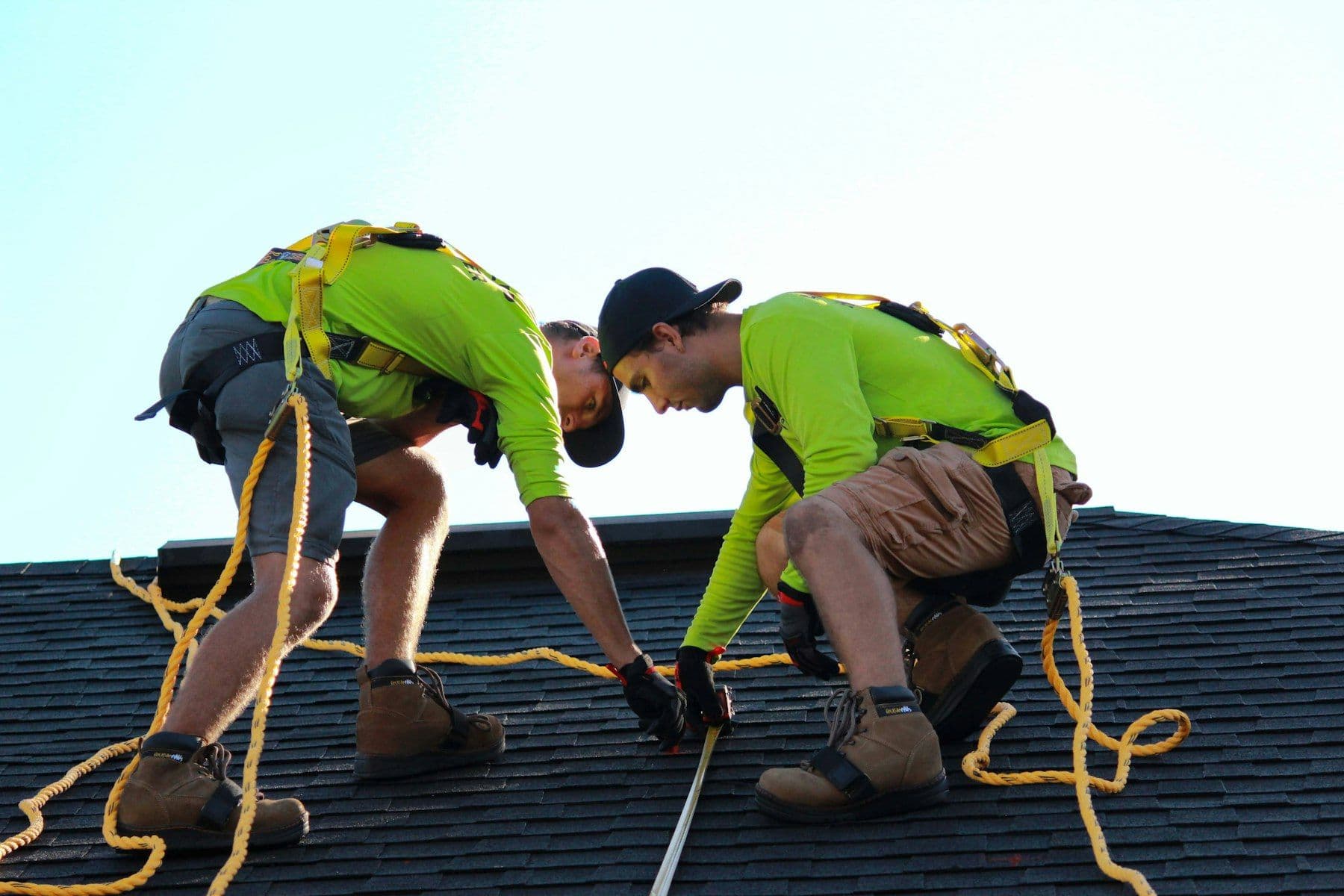
Will it disrupt my site?
Fitted while you stay open, at Crest and at Lesters
Both our case-study customers stayed open and trading throughout. Rod at Crest said: “We didn't even know they were there half the time. There was minimal disruption.” Samuel at Lesters Farm Shop said: “Customers barely noticed anything was happening.” MCS-registered installers do the fitting.
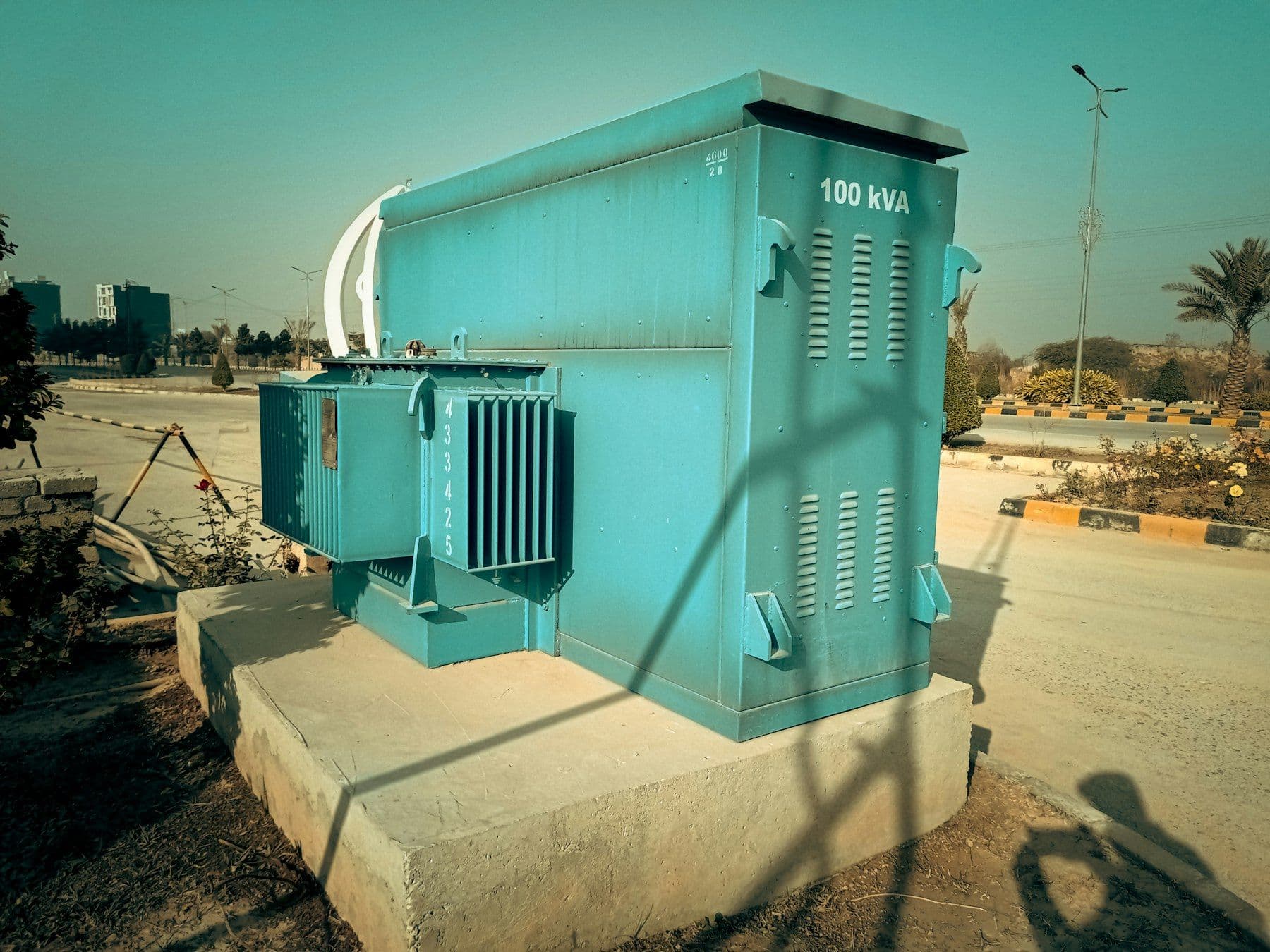
Can the local grid take it, and who pays for the check?
The grid operator checks first, and we pay for the application
Any system this size needs the DNO (distribution network operator, the company that runs your local power lines) to agree. It checks whether the local transformer can take the power you send back. We make the application and cover its cost, usually £500 to £1,000. In North Wales the operator is SP Energy Networks and it takes 2 to 3 weeks locally. Elsewhere it can take up to 12 weeks.
What if I use little power in the day?
The system is sized to your real daytime use
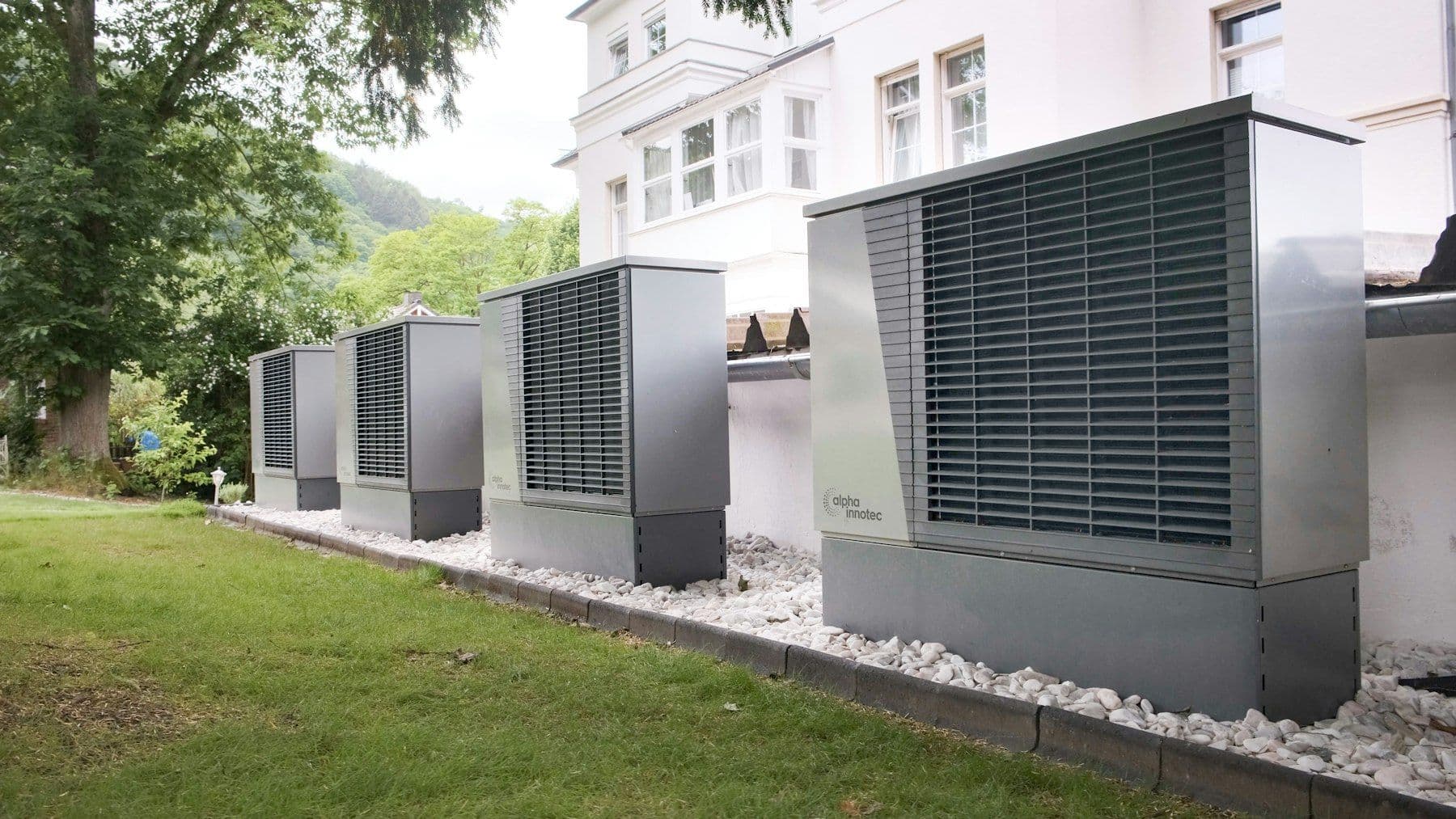
That is why we ask for 12 months of usage data. A bakery that starts at 6am needs a different system from a factory that runs at night, and the design team sizes each to match, so nobody pays for generation they can’t use. You pay only for the solar you use. Where your usage justifies it, a battery can be added.
I rent my building. Can I still do this?
Yes, if the building’s owner agrees
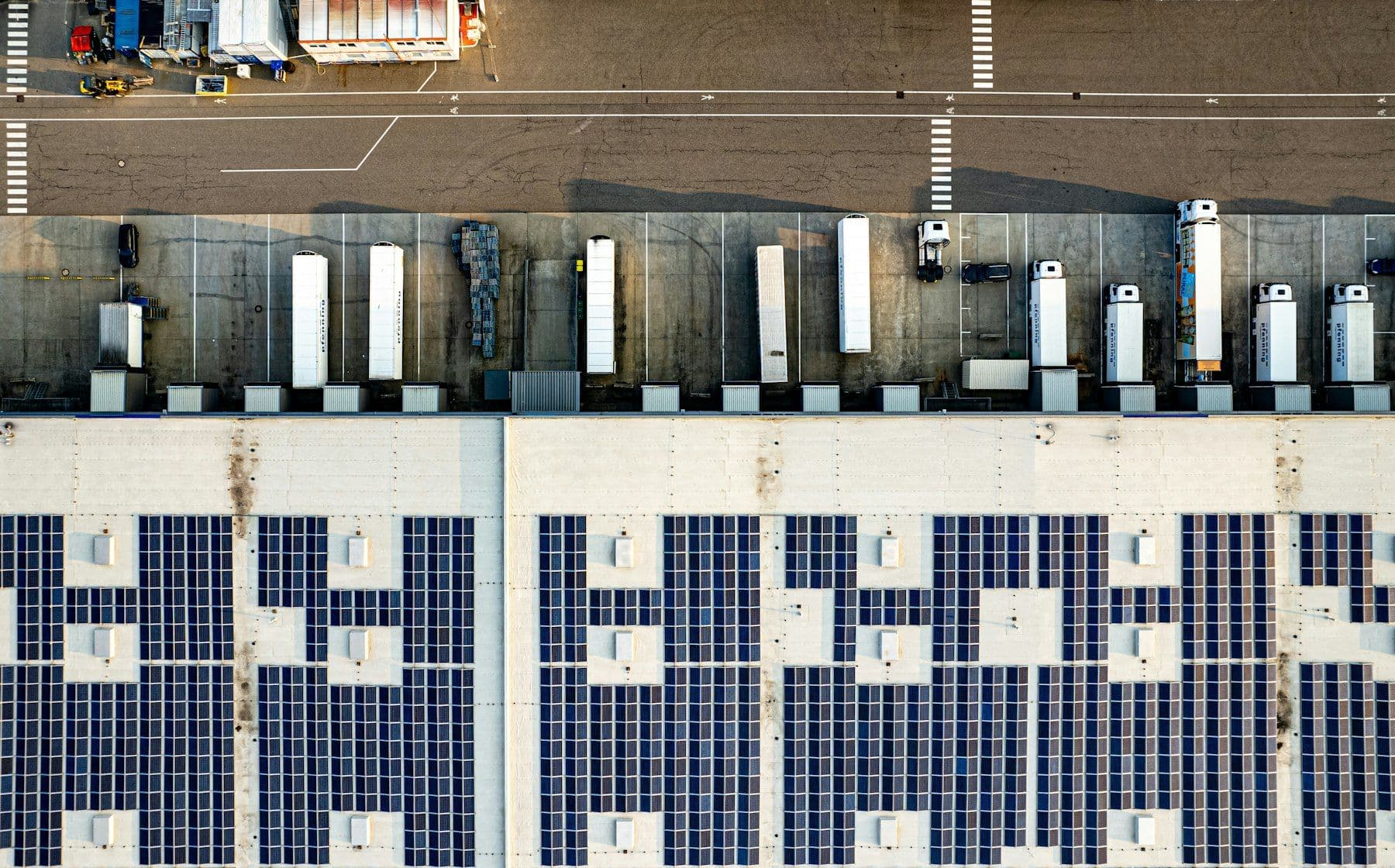
The owner has to say yes, because the funder leases space on the roof. It helps them too, because panels lift the EPC rating. If you are unsure where you stand, send us the postcode and a recent bill and we will tell you what to ask for.
How a solar PPA job runs
From first call to switch-on: about five to six weeks, up to 12 where the grid is slower
Four steps before you commit to anything, three after. The grid operator sets the pace on the middle one.
Before you decide anything
- 1
Tell us about your site
A few quick questions, about two minutes. Or just call. Dave calls back within 24 hours.
- 2
We check your roof and bills
A desktop survey from satellite images, plus the 12 months of usage data you send over.
- 3
Your proposal, on a video call
The funder's design team builds it in up to 5 working days. We go through it with you, and the funder joins so you can ask them anything.
- 4
Paperwork that doesn't bind you
Three first papers let us apply to the grid for you. They are not binding and stay open for 10 working days.
Once you've said yes
- 5
Site survey and grid approval (DNO)
A full survey on site. Then we apply to the grid operator and pay the fee. SP Energy Networks takes 2 to 3 weeks locally, and it can take up to 12 weeks where the operator is slower.
- 6
Fitted while you stay open
MCS-registered installers fit the system. Both our case-study customers stayed open throughout.
- 7
Switch-on and your first bill
The direct debit starts once the system is running. Dave comes back after a month to check your first bill with you.
Does your site qualify?
What your site needs, and the kit it gets
The first five decide whether you qualify, and the full list is on our eligibility page. The rest is the kit, chosen by the funder’s design team to suit your site.
A three-phase supply
Most businesses and farms have one. A single-phase supply, like a house has, caps a system at about 15 to 17 kW, which is too small.
About three-phaseRoom for 20 kW or more
About 45 to 50 panels, on a roof or on land. Twenty is the floor. Our real proposals run from 50 to 74 kW.
No existing solar
The site must not have solar on it already. If it does, that is a firm no.
12 months of usage data
Half-hourly smart-meter readings are best, or 12 months of bills showing kWh. They let the design team size to what you really use.
About half-hourly dataThe owner’s agreement, if you rent
The building’s owner must agree to panels on the roof. A better EPC rating helps them too.
Do you qualify?Panels and inverters from major makers
Our proposals use Canadian Solar and Astronergy panels of 450 to 620 watts, all bifacial (they also catch light bouncing up from below), with SolaX Power inverters sized to the site.
A battery, only where it pays
Decided at the survey. It raises the price: a dairy farm’s proposal with a battery is 21p, against 17p to 18p on our systems without one.
About batteriesTwo EV chargers at no cost
Where you have a car park, subject to survey. Two 22 kW chargers, and you keep 50% of the revenue.
About EV chargingYear 15
At the end of the 15 years, you pick one of four options
Nothing is forced on you. Here is each choice and what it means.
| Your option | What happens | Worth knowing |
|---|---|---|
| Buy it for £1 | You own the system outright. | The panels carry a 30-year warranty, so they should make free electricity for at least another 10 years. |
| Agree a new PPA | You and the funder agree a new price per kWh and carry on. | The new price is agreed between you at that point. |
| Extend, then buy | You stay at the existing price per kWh for five more years, then buy it for £1. | It keeps your price the same for five more years. |
| Have it removed | You pay to have the system taken away. | The only option that leaves you without solar. |
Case studies
Crest and Lesters: two real sites on a solar PPA
Charity, Llandudno Junction
Crest Community Centre: from 37p to 18p per kWh
A 50 kWp system. £4,739 saved in year one, and the savings help fund the centre's food bank and community radio.
Read the case studyFarm shop, Buckley
56.7 kWLesters Farm Shop, open and trading throughout
- 126 panels at 17p per kWh
- Two 22 kW EV chargers at no cost
- £2,624 saved a year
Where we work
Where we work: North Wales first, Great Britain through our partners
We are based in Colwyn Bay and work directly across North Wales, Mid Wales, Cheshire and as far as the Midlands. Further afield we work through our funding partner’s approved installers, anywhere in Great Britain. We don’t cover Northern Ireland, and we have no local office outside Colwyn Bay. Not sure we reach you? Send a postcode. See all our areas.
Questions
Solar PPA questions: cost, catches, year 15 and who qualifies
What is a solar PPA?
A solar PPA is a power purchase agreement. Someone else pays for the solar panels on your roof, and you buy the electricity they make at an agreed price per kWh. Ours is fixed for 15 years, and you pay nothing to start.
How can a solar PPA cost me nothing up front?
Our funding partner pays for the panels, the fitting and the grid connection, then earns its money back slowly. It earns from the solar power you buy and from selling spare power to the grid. Over 15 years that covers the cost of the system, and a bit more.
What does a commercial solar PPA cost per kWh?
Between 16p and 23p per kWh today (September 2026), depending on your site. It is set from your usage data and fixed for the full 15 years. Crest Community Centre pays 18p and Lesters Farm Shop pays 17p.
Is a solar PPA better than buying the panels?
Not always. Buying costs the full price up front, but once it is paid for the power is free. A PPA costs nothing to start and the funder looks after the system, but you keep paying per kWh. Our comparison page sets out both sides, including where buying wins.
How do I choose between solar PPA providers?
Ask four things: is the price per kWh fixed for the whole term, is the buy-out price printed for every year, who looks after the system and for how long, and what happens if you sell the building. Ours is fixed for the full term and the buy-out price is printed for every year. The how it works page has the rest.
What happens at the end of the 15 years?
You choose from four options. Buy the system for £1, agree a new price per kWh and carry on, stay at the same price for five more years and then buy it for £1, or pay to have it removed. The panels carry a 30-year warranty, so after a £1 buy-out they should make free electricity for at least another 10 years.
Can I buy the system before year 15?
Yes, at any time. Your proposal prints the buy-out price for every year, and it falls each year. Crest's starts at £42,741 and is £14,233 at year 10. If you sell or move, the contract can pass to the new owner or occupier at the same rate, or you can buy it out.
Does my site qualify for a solar PPA?
You need a three-phase supply, room for at least 20 kW, 12 months of usage data and, if you rent, the owner's agreement. The site must not have existing solar. Not sure? Send a postcode and a recent bill and we check your roof from satellite images. We don't do homes.
Do you work outside North Wales?
We are based in Colwyn Bay and work directly across North Wales, Mid Wales, Cheshire and as far as the Midlands. Further afield we work through our funding partner's approved installers, anywhere in Great Britain. We don't cover Northern Ireland, and we have no local office outside Colwyn Bay.
How long does a solar PPA take to set up?
About five to six weeks from first call to switch-on in our North Wales area. Where the grid operator is slower it can take up to 12 weeks. Your proposal comes back in up to 5 working days.
Do I have to change my electricity supplier?
No. Your supplier and your contract stay as they are. The solar power is billed apart on one monthly direct debit, so you simply buy less from your supplier.
Who is the funder?
Our funding partner is a UK company. Its projects are paid for by a UK bank, and the systems are insured. You meet them on your proposal call.
Find out if your site qualifies for a solar PPA
Send your postcode and a recent bill. We check your roof on a map and tell you quickly, and a written proposal follows in up to 5 working days. Want to see one first? See a real proposal.