

Solar for Schools in North Wales
Solar for schools in North Wales, paid for by our funding partner. A roof that works while the classrooms are full, a price per kWh fixed for 15 years, and nothing taken from the school budget.
Nothing from the school budget, not even a deposit. Fixed for 15 years.
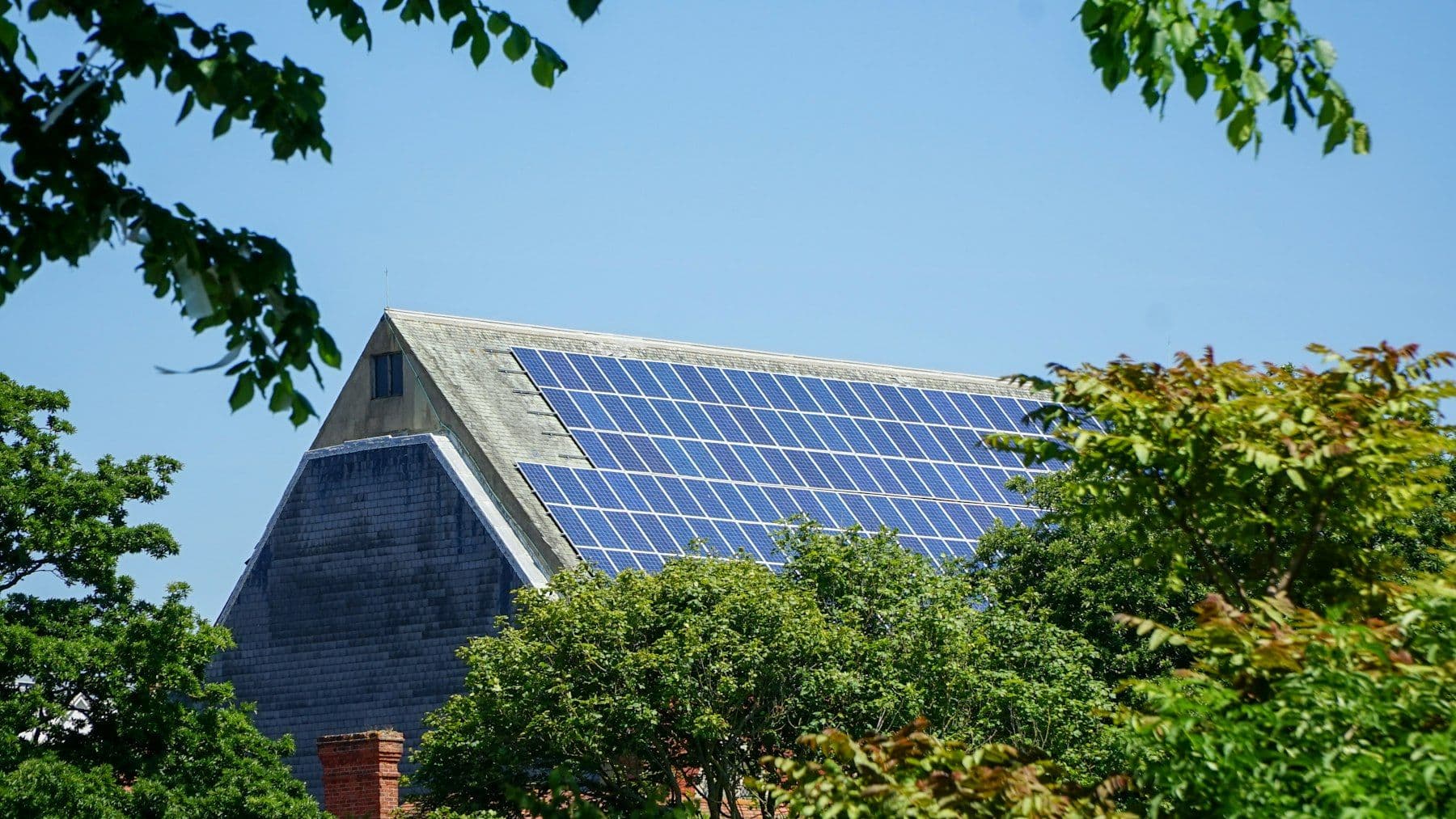
£0 up front
Our funding partner pays for the system. Not even a deposit
Fixed for 15 years
Between 16p and 23p per kWh today, depending on the site (September 2026)
 NAPIT
Our installers are accredited
Our installation partners are MCS registered, and RECC and NAPIT accredited
One person to call
Dave handles the funder, the installer and the grid for you, first call to first bill
Let's be straight
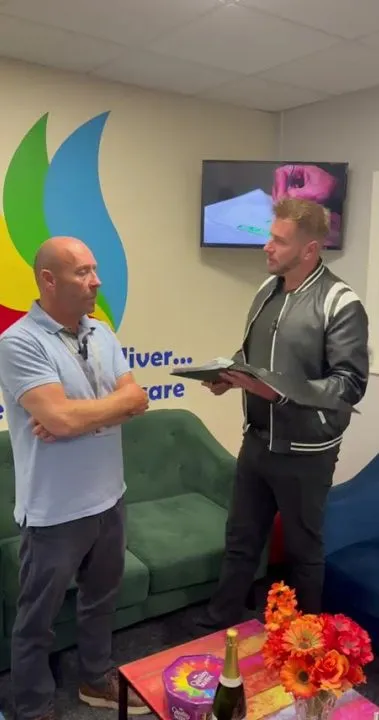
We have no school case study to show you. Here is the nearest thing we can show you
None of our published case studies is a school, so we won't pretend otherwise. The closest match is Crest Community Centre in Llandudno Junction. It is a busy public building, open all day, with staff, volunteers and adults with additional learning needs on site.
The deal Crest signed is the deal a school would be offered. Nothing up front, 18p per kWh fixed for 15 years (down from 37p), and a saving of £4,739 in year one.
A school is different in ways Crest is not. It has an owner to ask, governors to convince and safeguarding rules to follow. The sections below deal with each of them.
Why schools can suit solar
Solar for schools in North Wales: where the daytime power goes
A power purchase agreement (PPA) means someone else pays for the panels and you buy the power they make. It works best where the power is used while the sun is up, and a school day is exactly that.
Kitchens and dining halls
Ovens, dishwashers and chillers run through the morning and lunch.
Classrooms and computers
ICT rooms, projectors, boards and lighting are on for the whole school day.
Sports halls and pools
Lighting and pool plant (the pumps, heating and filtration, if you have a pool) run for long hours, and lettings add to them.
Long, wide roofs
Halls, gyms and flat-roofed blocks give large, clear areas. A satellite check shows them quickly.
Clubs and lettings in the day
Breakfast clubs, holiday clubs and daytime lettings add use in hours the roof can cover.
What solar will not cover
Evening clubs and dark winter mornings. The grid covers these as normal, as it does today.
The school year on one roof
What the roof does in term time, half-term and the summer break
The sun is strongest in the weeks the school is empty. Here is what that means for the power and for the bill.
| When | What the school uses | What the roof does | Where the power goes |
|---|---|---|---|
| Weekdays in term | Plenty. Lights, computers, kitchens and a full building | Makes power in daylight | The school uses the solar first and pays the fixed price. The grid tops up the rest |
| Evenings and weekends in term | Little. Cleaners, clubs and lettings | Quiet, or asleep after dark | Any spare daytime power is sold to the grid. After dark, the school draws from the grid |
| Half-terms and Easter | Very little | Making power, with longer days than winter | Mostly sold to the grid. The school pays only for what it uses |
| The summer break | Very little | At its best of the year | Most of it is sold to the grid, which helps the funder earn. The school pays for almost nothing, and saves little in these weeks |
The design team sizes the system from 12 months of your own electricity data, so you do not pay for power you cannot use. Crest sells 31% of what it makes to the grid. A school's share will differ. About half-hourly data and sizing
Do you qualify?
Which schools this suits, and which it doesn't
It suits you if
- You have a three-phase supply. This is the stronger kind of mains connection that bigger buildings have.
- Your roof has room for at least 20 kW, which is about 45 to 50 panels. Large primaries and secondaries with halls, gyms and long flat roofs are the usual fit.
- You can get 12 months of electricity data, from your supplier or from the council if it holds the account.
- There is someone who can sign, and the owner of the building is on board.
It's probably not for you if
- Your school has a single-phase supply. A single-phase supply caps a system at roughly 15 to 17 kW, below our floor.
- Your school already has solar.
- Your roof has known structural problems, such as RAAC (a lightweight concrete used in some older roofs). That has to be dealt with before anyone talks about solar.
- Your site is heavily shaded by trees or taller buildings.
- Nobody can yet say who owns the building or who may sign. Get that answered first.
Who has to say yes
Who approves a roof lease, school type by school type
Schools do not all work the same way, and the rules in Wales differ from England. This is a plain-English guide from public sources, not legal advice. Check the current wording with your own lawyers.
| Type of school | Who to ask first | What the public rules say |
|---|---|---|
| Community school, or a council-maintained school in England | Your local authority's property and legal teams | We have not found one public rule that covers every case. Who holds the land and who may sign depends on the school, so ask your council before anything else. |
| Foundation or voluntary school in Wales | Your governing body and your council. For a church school, also your diocese or trustees | Governing bodies generally need the Welsh Ministers' consent before leasing land that was provided or improved with public money. See Schedule 22 of the School Standards and Framework Act 1998 and Welsh Government guidance 128/2014. Whether a roof lease counts is for your lawyers. |
| Academy in England (our Cheshire, Wirral, Merseyside and Shropshire areas) | Your trust board, then the Department for Education | The Academy Trust Handbook 2026 (paragraph 5.26) says a trust must get the DfE's prior approval before giving another party a lease of any length on its land or buildings. A roof lease is likely to count. |
| Independent school that is a charity | Your trustees | The charity land rules may apply. See the charities page. |
What heads and governors worry about
Safeguarding, budgets, borrowing and what happens if things change
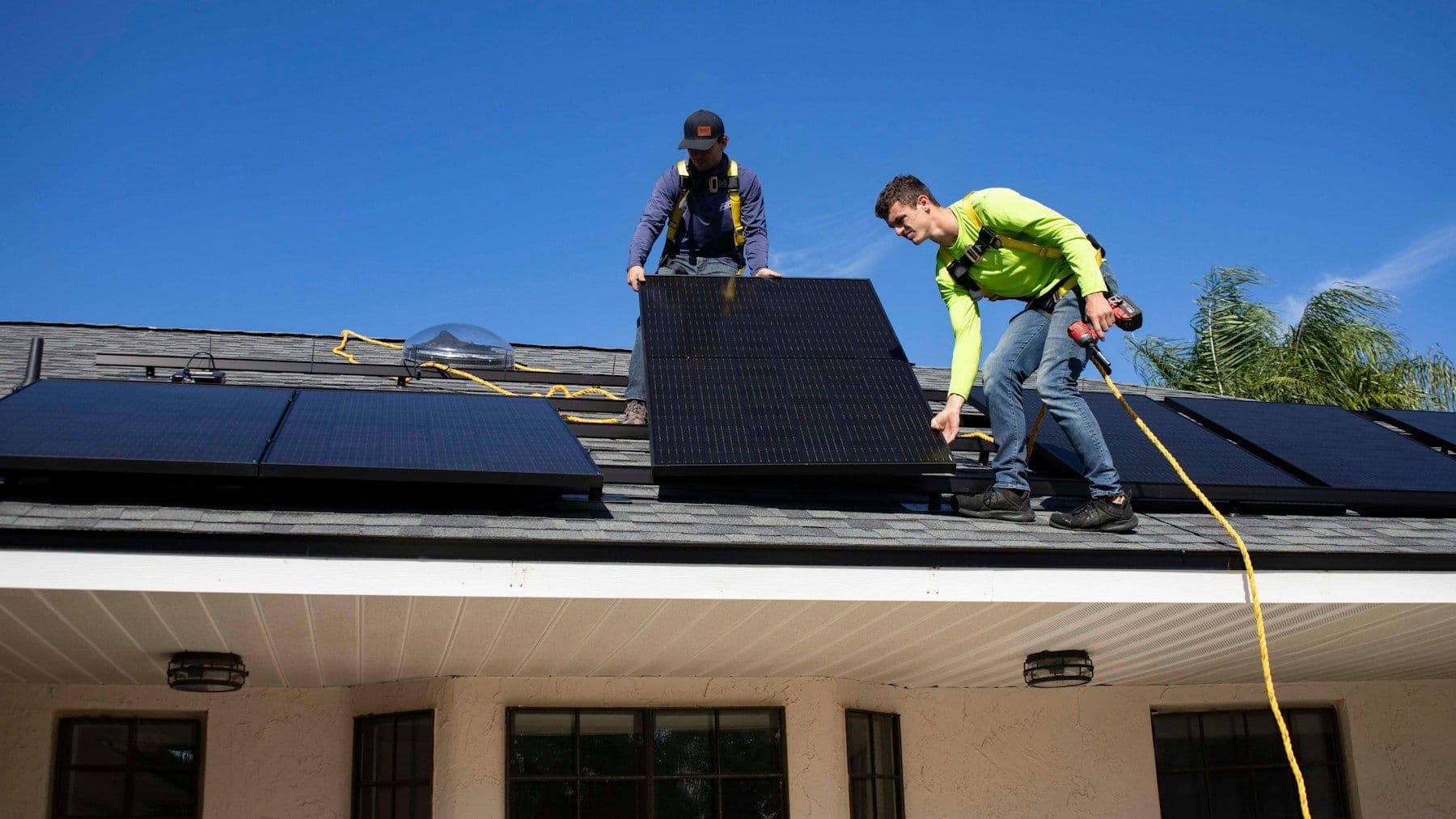
Is it safe with children on site?
Your safeguarding rules come first
Anyone working on a school site must follow your rules on visitors, checks and where they may go. Raise them on your proposal call. Ask what checks the installers hold and get the answers in writing before a date is booked. If you want roof work in a holiday, work back from the date. It takes five to six weeks from first call in North Wales, up to 12 where the grid operator is slower, plus time for your own approvals.

Our budget is set a year at a time. How does a 15-year deal fit?
One fixed price, replacing part of a bill that moves
You pay a set price per kWh for the solar you use, and it never changes for 15 years. It replaces grid power that is priced at your supplier's rate. Your supplier does not change, and if your council or trust buys energy for all its schools on one contract, that contract is unaffected. Treat savings as illustrative and budget the PPA bill as a cost.

Is this borrowing the council would have to count?
A PPA is not a loan, but ask your finance team how it is booked
Nothing is lent to the school, and you pay only for the power you use. How a 15-year agreement and a roof lease appear in a school's or a council's accounts is for the finance team to decide. Raise it in the first week so nobody is surprised at the end.
What if the school closes, merges or changes status?
The contract can move on, or you can buy it out
If the building changes hands or occupier, the contract can pass to the new owner or occupier at the same rate. Or you can buy the system out from the price list in your proposal, which prints a price for every year. Ask your council's solicitors how that works for a closure or a merger.
What it costs
What a school pays: nothing to start, a set price after, and a printed way out
From the school budget
Our funding partner pays for the panels, the fitting, the scaffolding and the grid connection. Not even a deposit.
Per kWh for the solar the school uses, fixed for 15 years
Depends on the site (September 2026). Crest pays 18p, down from 37p. A school's grid price may differ, and your proposal works out your own figures.
Crest's buy-out price at year 5
Printed for every year, falling to £1 at year 15. It is the way out your governors will ask about.
Buying the system yourselves is the other route. See a PPA against buying outright.
What you pay per kWh for the solar you use
- PPA price: 16p to 23p, fixed for 15 years
- What our case-study customers were paying: about 23p to 53p
PPA prices as of September 2026, and your rate depends on your site. Savings are illustrative, never promised. Your proposal works out your own.
Check my schoolFree, no obligation, about two minutesWhat to put in front of governors
Four things your governors will want, and when you get them
The proposal
System size, the power it should make, your fixed price per kWh, your saving in year one and over 15 years, and the buy-out price for every year. Crest's is the example. Savings are illustrative, never a promise.
See a real proposalThe first three papers
A Letter of Authority, a Letter of Intent and an Intent to Lease (the roof lease). None is binding, and they stay open for 10 working days. Send them to your council's solicitors inside that window.
The soft credit check
The funder runs a soft check, which does not mark the file. For a school, who is checked depends on who signs the agreement: the council, the governing body or the trust. We settle that at the start.
Twelve months of data
Half-hourly readings are best. Your supplier can send them, or the council if it holds the account. They let the design team size the system to your real daytime load.
About half-hourly dataQuestions for the bursar and the council
Contracts, buying rules and carbon targets
Your energy contract
A PPA does not change your supplier. You just buy less from them. An existing supply contract is unaffected.
Public buying rules
Councils and other public bodies have rules on how they buy. Whether and how they apply to a PPA is for your council's procurement team, so ask in week one.
Carbon targets
The Welsh Government has set an ambition for the Welsh public sector to reach net zero carbon by 2030. A council with that target has a reason to look at school roofs. Crest's system saves 8 tonnes of carbon a year, by the funder's own calculation.
How it works
From first call to switch-on, with the school's approvals alongside
About five to six weeks in North Wales, and up to 12 where the grid operator is slower. Your own approvals can take longer than the solar does, so start them first.
Before you decide anything
- 1
Tell us about the school
Your postcode, a recent bill and who owns the building. About two minutes, or just call. Dave calls back within 24 hours.
- 2
We check the roof and the bills
A desktop survey from satellite images, plus 12 months of electricity data from whoever holds your energy account.
- 3
Your proposal, on a video call
Bring your business manager and, if you can, the chair of governors. The funder joins, so they can ask the people paying for it directly.
- 4
Papers for your council's solicitors
Three first papers, none binding, open for 10 working days. That is the window to put them to your lawyers and your governors.
Once you've said yes
- 5
Site survey and grid approval
A full survey on site. Then we apply to the grid operator (the DNO) and pay the fee. SP Energy Networks takes 2 to 3 weeks locally, and up to 12 where it is slower.
- 6
Fitted to a plan you agree
MCS-registered installers fit the system. Crest and Lesters both stayed open and trading. Give us your timetable and safeguarding rules first.
- 7
Switch-on and your first bill
The direct debit starts once the system is running. Dave comes back after a month to check the first bill with you.
Open and trading throughout
What our other customers said about the install
“We didn't even know they were there half the time. There was minimal disruption. They were clean, polite, professional.”
“The team were professional, organised, and really respectful of the fact we were open and trading.”
- System size (peak output)
- 50 kWp
- Power it makes each year
- 36,290 kWh
- Fixed price for 15 years
- 18p per kWh (was 37p)
- Saving in year one
- £4,739
- Saving over 15 years
- £131,796
The 15-year figure assumes grid prices rise 5% a year. Your proposal works out your own figures, never a promise.
Free, in writing, no obligation
Your school's proposal, in writing, for your governors
This is what Crest's looked like. Yours is built from your school's own electricity data. The funder's design team makes it in up to five working days, and we go through it with you on a video call.
- The system designed for your siteSized to your real usage by the funder's design team, with how much power it should make each year.
- Your fixed price per kWhSet from your usage data. Between 16p and 23p today, and fixed for 15 years.
- Your savingsIn year one and over 15 years, worked out from your own bills. Illustrative, never a promise.
- Your buy-out price for every yearPrinted in full, falling each year to £1 at year 15. So you can see your way out before you sign.
Keep reading
Other public-benefit buildings, and the guides behind the sums

Charities & Community Buildings
Crest in full: the food bank, the radio station and the trustees' questions.
Find out more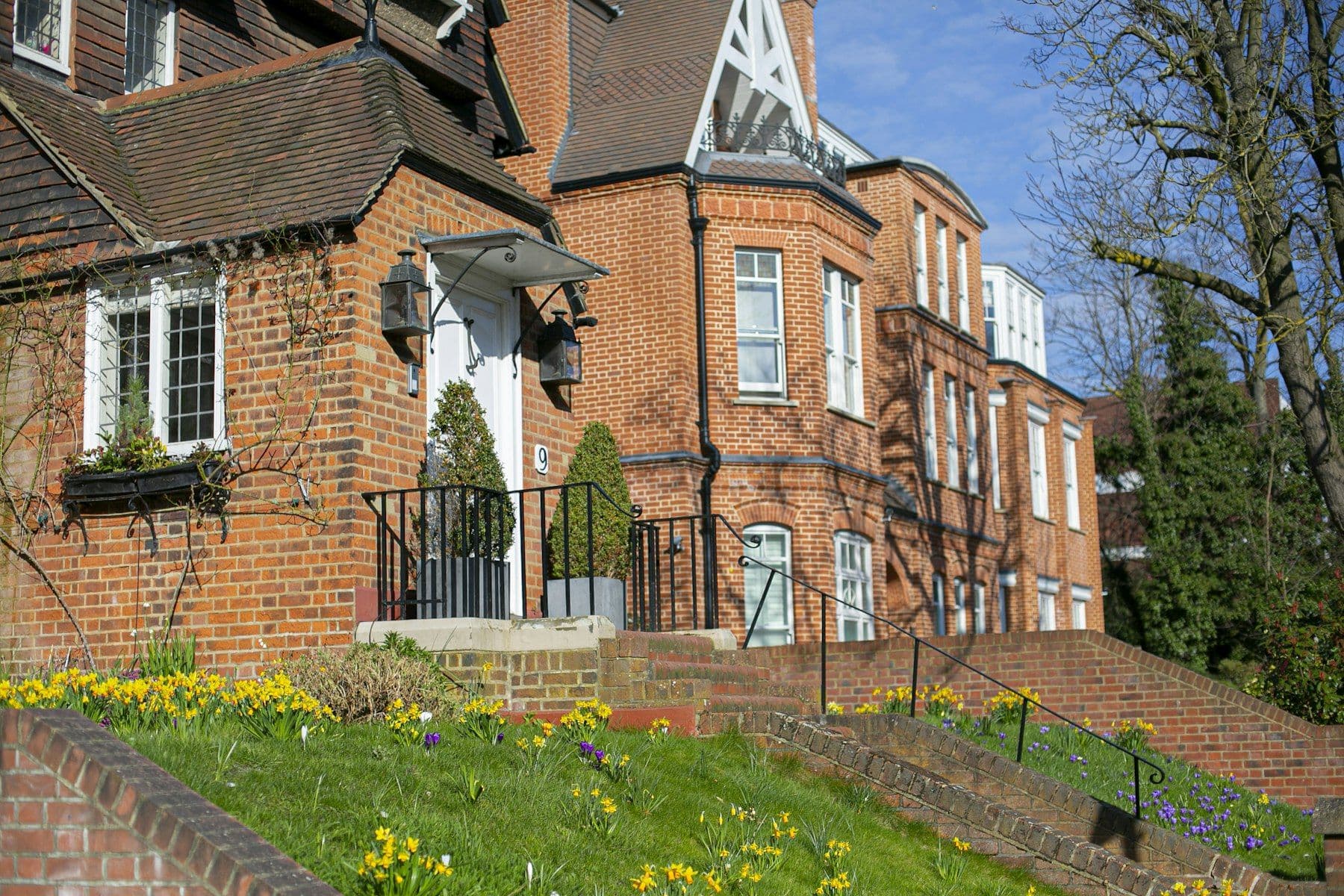
Care Homes
A building that never switches off, with residents to think about during the work.
Find out more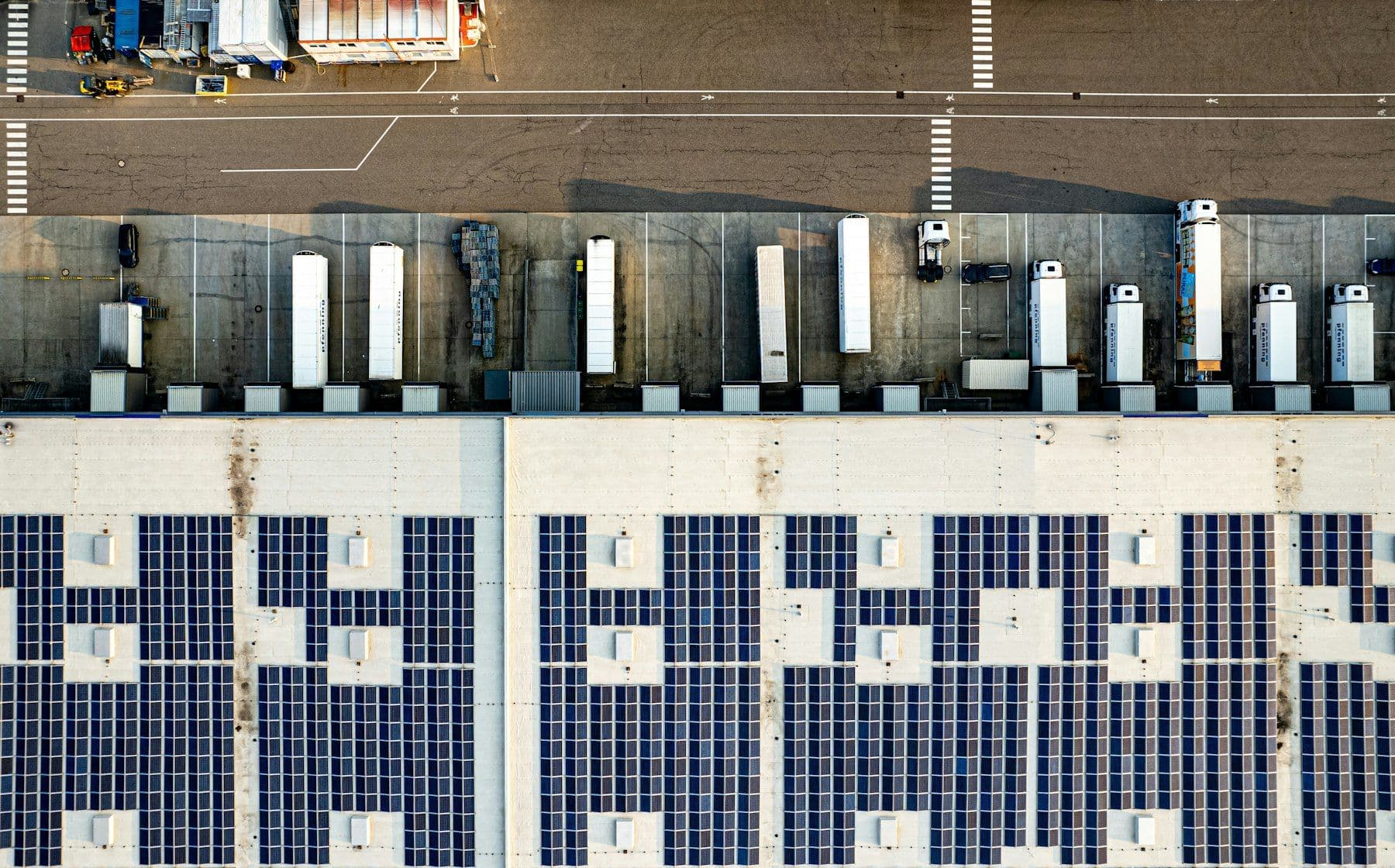
Solar for Business
Every kind of site we work with, and how the 20 kW floor works.
Find out moreSolar PPA: how the deal works · Three-phase and the grid · Commercial battery storage · Commercial EV charging
Where we work
School solar across North Wales and the border
Based in Colwyn Bay. Schools in North Wales follow Welsh rules, and schools in Cheshire, the Wirral, Merseyside and Shropshire follow English ones, which differ. These are our area pages.
Questions
Questions heads, bursars and governors ask us
How does solar for schools in North Wales work with nothing to pay up front?
Our funding partner pays for the panels, the fitting and the grid connection. Once the system is on, the school buys the power it makes at a fixed price per kWh (the unit your bill counts in), between 16p and 23p today (September 2026). The price is fixed for 15 years. The rest of your power still comes from your normal supplier.
Have you fitted solar on a school before?
No, not yet. We would rather say so than imply otherwise. Our nearest example is Crest Community Centre in Llandudno Junction, a busy public building that stayed open throughout. You can see its figures line by line on our example proposal page.
Who has to approve solar panels on a school roof?
It depends on the type of school. Expect the governing body or trust, plus the owner of the building, which is often the local authority. In Wales, governing bodies of foundation and voluntary schools generally need the Welsh Ministers' consent before leasing school land. In England, an academy trust needs approval from the Department for Education before giving a lease of any length on its land or buildings. Ask your council first.
Does the roof lease mean the school gives up its roof?
No. The funder rents the space its panels sit on and never owns the roof or the building. The lease is one of the first three papers, which are not binding and stay open for 10 working days. Take it to your council's solicitors in that time.
What happens in the summer holidays?
The roof makes most of its power in summer, when the school uses least. Spare power is sold to the grid, which is part of how the funder earns. You pay only for the solar you use. The design team sizes the system from 12 months of your own data, so it is built around your use and not the holidays.
Does a school need a battery?
Often not, because most school use is in the daytime, when the panels are working. A battery is added only where your usage justifies one, and that is decided at survey. A battery would not store six weeks of summer surplus anyway.
Is it safe to have installers on a school site?
Your safeguarding rules come first. Raise them on your proposal call, ask what checks the installers hold, and get the answers in writing before any work is booked. Crest stayed open throughout the install, with staff, volunteers and adults with additional learning needs on site.
Does a PPA count as borrowing for a school or council?
A PPA is not a loan. Nothing is lent to the school and you pay only for the power you use. How a 15-year agreement and a roof lease appear in a school's or council's accounts is for your finance team to decide. Ask them early.
What if the school closes, merges or changes status?
The contract can pass to a new owner or occupier at the same rate. Or you can buy the system out from the price list in your proposal, which prints a price for every year. Ask your council's solicitors how this works for a closure or a merger.
Can a small primary school qualify?
Some can, many cannot. The floor is a 20 kW system, which is about 45 to 50 panels, on a three-phase supply. A smaller single-phase supply caps a system at roughly 15 to 17 kW. Larger primaries and secondaries with big roofs fit best, and a postcode and a recent bill is enough for us to check.
What happens at the end of the 15 years?
The school chooses. Buy the system for £1, agree a new price and carry on, stay at the same price for five more years and then buy it for £1, or pay to have it taken away. The panels carry a 30-year warranty, so a £1 buy-out leaves at least another 10 years of free electricity.
Find out if your school qualifies
Send your postcode and a recent bill. We check the roof on a map and tell you quickly. It costs nothing, and the first papers do not bind you for 10 working days.