
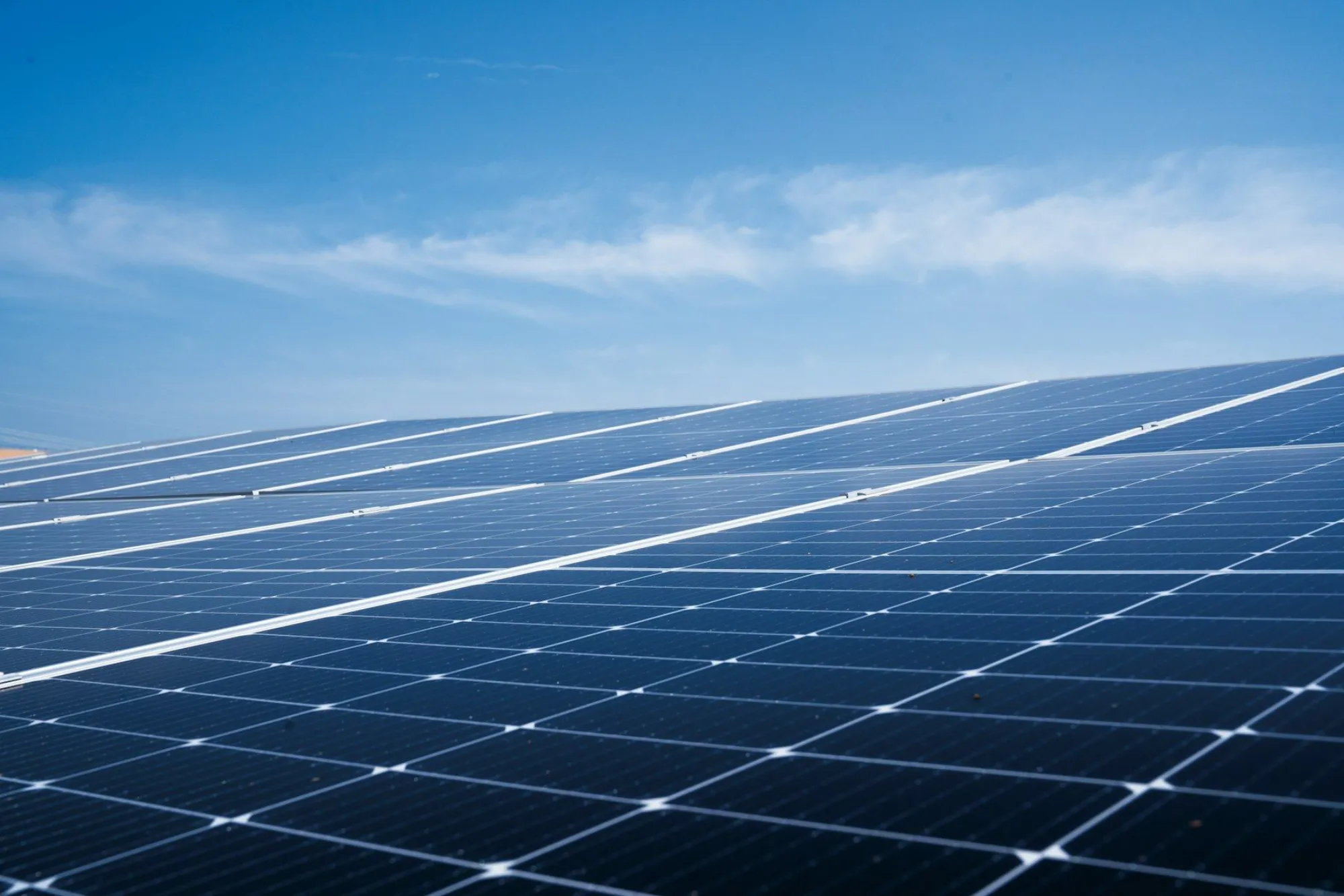
Fully funded industrial solar, based in Colwyn Bay
Industrial Solar Panels for Warehouses & Factories in North Wales
Industrial solar panels in North Wales, paid for by our funding partner. Nothing up front, not even a deposit. You buy the power your roof makes at a price per kWh (the unit on your bill) that is fixed for 15 years. Built around your shifts, for big roofs.
Sized to your shifts, not to a typical site.
“We didn't even know they were there half the time. There was minimal disruption. They were clean, polite, professional.”
£0 up front
Our funding partner pays for the system. Not even a deposit
Fixed for 15 years
Between 16p and 23p per kWh today, depending on the site (September 2026)
 NAPIT
Our installers are accredited
Our installation partners are MCS registered, and RECC and NAPIT accredited
One person to call
Dave handles the funder, the installer and the grid for you, first call to first bill
What this is
Industrial solar panels in North Wales, paid for by someone else
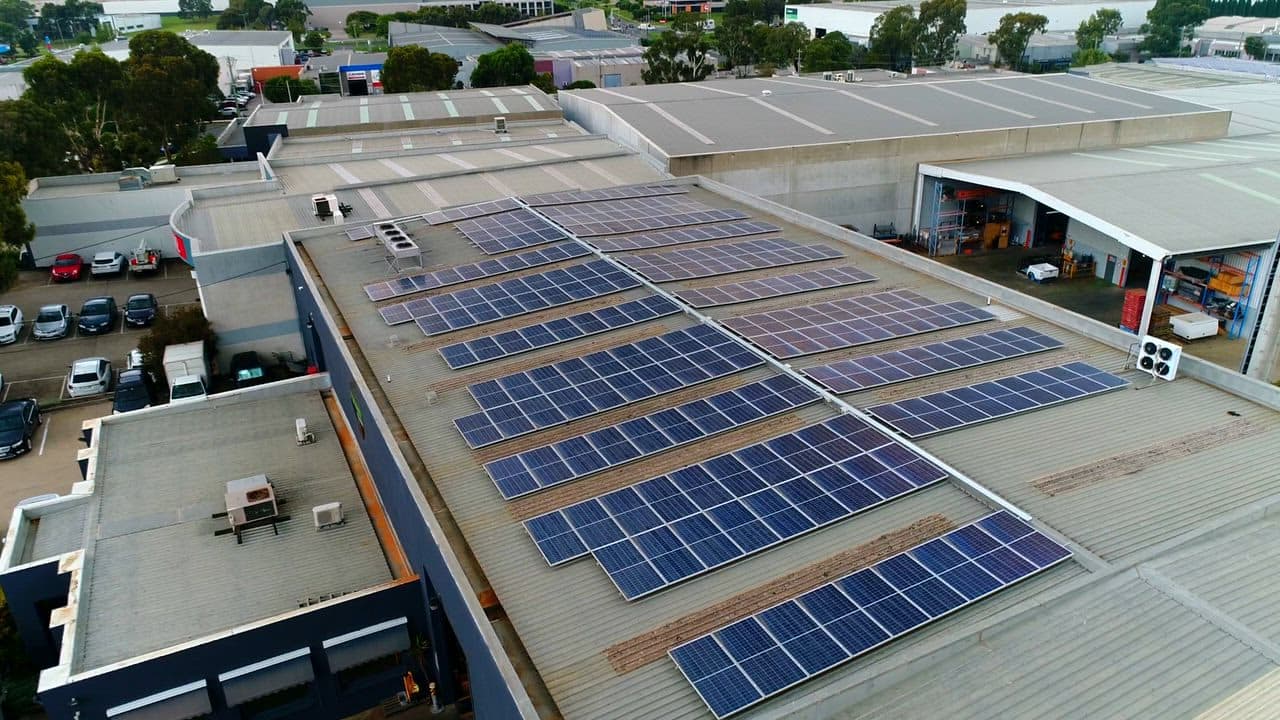
Your roof is a big space that earns nothing. Our funding partner pays to put solar on it. You buy the power it makes, by the kWh, at a price fixed for 15 years. This is called a power purchase agreement (PPA).
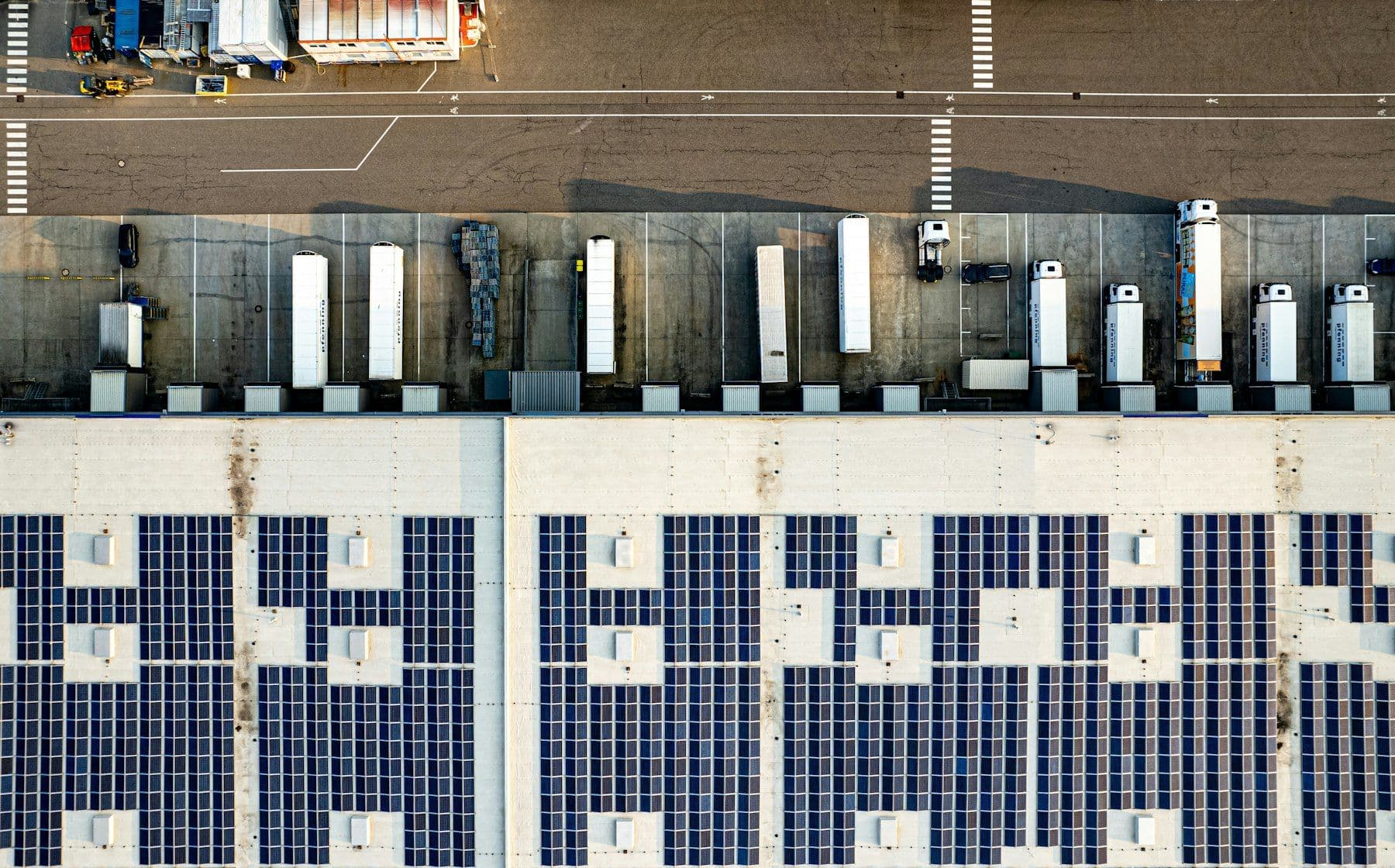
It works best on roofs that can take 50 kW or more. The kW is the size of the system. 50 kW is about 120 typical panels, each around 1.2 m by 1.75 m, so roughly 250 square metres of clear roof. Bigger panels need fewer: Crest's 50 kW system used 81. The floor is 20 kW.
The funder rents the roof space (a roof lease) and never owns your roof or your building. You also need a three-phase supply, the stronger kind most industrial sites already have.
New to the idea? Read what a solar PPA is.
Shift patterns
Your shift pattern decides how much of the roof's power you use
Solar helps with the power you use while the sun is up. A bakery that starts at 6am needs a different system from a factory that runs at night. These are general patterns, and your data settles it.
| Compare | What it means for the roof | What the proposal does |
|---|---|---|
| One day shift, Monday to Friday | A strong fit. Most of what the roof makes is used as it is made. | Sized to the weekday daytime load. Weekend power goes to the grid. |
| Two shifts, early start to late finish | A good fit. Extra use at the edges of the day, when panels make less. | Sized to the real daytime load, so nobody pays for power they cannot use. |
| Round the clock, or mostly at night | A weaker fit. Some of the load falls when there is no sun. | Covers the daytime part. A battery only if your half-hourly data shows it is worth it. |
| Seasonal peaks | Depends on the season. A summer peak suits solar. A winter one does not. | Sized to what the site uses every day, not to the busiest week. |
Half-hourly data
Why we ask for your half-hourly data, and what it shows
Half-hourly data is your site's electricity use, measured every 30 minutes by a smart meter or a half-hourly meter. It is the most useful thing you can send us. Read the guide to half-hourly data and sizing.
Your real base load
What the site draws at 3am and at noon. The daytime base load is what sets how big the roof should be.
Where your shifts show up
Start-ups, breaks and shutdowns appear as steps in the line. It is how a design team sees your shift pattern without visiting.
Weekends, holidays and shutdowns
A site that closes on Saturday still has a roof making power. The data shows how much would go to the grid, so the system is not oversized.
No half-hourly data? Bills work
12 months of bills in kWh also works. Send what you have, or ask your supplier for the readings.
The roof
What a big roof needs to be a good fit, and why the survey decides
These are general points from the trade, not a promise about your roof. The survey decides what a roof can take.
Profiled metal sheets
Common on sheds and units. Panels usually fix to the ridges of the sheets or clamp to the seams. The age, thickness and fixings of the sheets matter.
Older fibre cement
Sheets put up before about 2000 may contain asbestos, and they are often brittle. They need a closer look first, and sometimes panels are not right for that roof.
Flat and membrane roofs
Panels sit on frames that are weighted down or fixed through the roof. The age of the membrane and the load the roof can carry decide which.
The steelwork underneath
Many units were built before anyone planned for panels. The survey checks the structure can carry the weight and the wind.
Rooflights, plant and shade
Rooflights are fragile and need safe access. Vents, extractors and neighbouring buildings take up space or cast shade.
How much life the roof has left
A roof with a few years left is a poor place for panels that stay for 15 years or more. Tell us at the start if re-roofing is planned.
What it costs an industrial site
Nothing to start, then one price per kWh for the solar you use
To design, fit and connect
Our funding partner pays for the panels, inverters (the boxes that turn panel power into mains power), frames, scaffolding, labour and grid connection. Not even a deposit. We pay the grid application fee too.
Per kWh, fixed for 15 years
Depends on your site (September 2026). You pay by one monthly direct debit. The rest of your power stays with your supplier.
To own it at the end of year 15
Or buy it out earlier (buy-out means buying the system before the term ends) from the price list printed in your proposal.
Check your own unit rate first. A large user may already pay less per kWh than a small shop does, so the gap to 16p to 23p can be smaller. See what commercial solar costs to buy or a PPA against buying.
What you pay per kWh for the solar you use
- PPA price: 16p to 23p, fixed for 15 years
- What our case-study customers were paying: about 23p to 53p
PPA prices as of September 2026, and your rate depends on your site. Savings are illustrative, never promised. Your proposal works out your own.
Check my site's eligibilityFree, no obligation, about two minutes
EPC B by 2031
The EPC B rule for rented industrial buildings, and what solar does about it
An EPC (Energy Performance Certificate) rates a building from A to G. The rules that set a minimum rating are called MEES (Minimum Energy Efficiency Standards).
The short version: the government has confirmed larger rented commercial buildings will need an EPC B from 2031. Solar is one of the most direct ways to lift a rating, and a PPA does it at no capital cost.
"Larger" means privately rented non-domestic buildings over 1,000 m², about 10,750 square feet. Smaller buildings stay on the current minimum of EPC E. The exemptions and the cost-effectiveness test still apply, and the detail has still to be written into law.
If you rent your unit, your landlord has to agree to the roof lease anyway. A better EPC gives them a reason to say yes. Ask for a new EPC once the system is running, so the panels are recorded. Check how the rule applies to your building with your landlord or agent. This is not legal advice.
On the bill and beyond
What else changes on an industrial site's bill and reporting
Climate Change Levy (CCL)
CCL is a tax added to business energy bills for each kWh. Every kWh the roof covers is one you do not draw from the grid, so there is less CCL to pay on your supplier bill. If your site has a Climate Change Agreement, you already pay a reduced rate, so there is less to save. Ask your accountant how it applies to you.
One number to plan around
The solar part of your bill is a price per kWh that is fixed for 15 years. The rest still moves with the market. For whoever sets the energy budget, part of it becomes certain.
Carbon and customer reporting
Lower carbon supports CSR and net-zero targets, and helps with customers who ask about yours. The funder calculates that Crest's system saves 8 tonnes of carbon a year.
Chargers for staff and visitors
Where you have a car park, two 22 kW chargers can be fitted at no cost, subject to survey. You keep 50% of the revenue.
About commercial EV chargingReal proposals
Three real proposals, and how much of the roof's power each site used
None of these is a warehouse or a factory, and we won't pretend otherwise. They are the real proposals we can show. A bigger roof is designed the same way, from your own half-hourly data.
| Compare | Crest, Llandudno Junction | Lesters, Buckley | A dairy farm in North Yorkshire |
|---|---|---|---|
| System size | 50 kWp | 56.7 kW | 74 kW, with a 100 kWh battery |
| Power made in a year | 36,290 kWh | 47,210 kWh | 62,054 kWh |
| Share of that power used on site | 69% | 92% | 74% |
| Price per kWh, before and after | 37p to 18p | About 23p to 17p | About 53p to 21p |
| Saved in a year | £4,739 in year one | £2,624 | £14,723 |
Savings are illustrative, never a promise. Read the Crest and Lesters case studies.
It sounds too good to be true
The worries industrial sites raise first
We can't stop production for a fit-out.
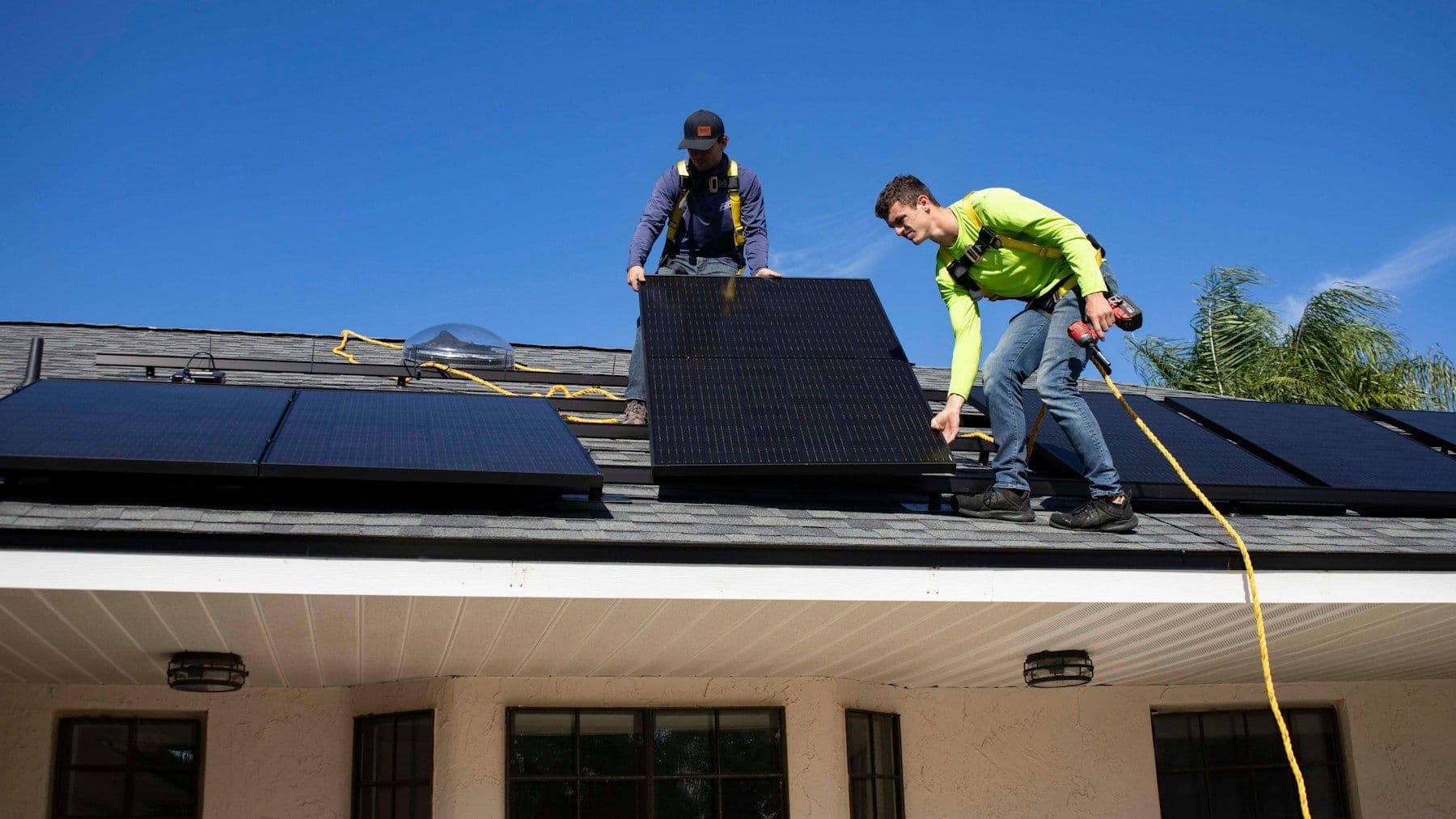
Both customers stayed open. Neither is a factory, though
Crest and Lesters both stayed open and trading while the roof was fitted. None of our published case studies is a factory, so ask how the work would be planned around your shifts. MCS-registered installers work on the roof. Tying in to your switchboard usually needs one short, planned power-off. That is general practice, and the site survey agrees timings with you.

We rent. The landlord owns the roof.
The owner has to agree, and has a reason to
The building owner agrees to the roof lease. A better EPC is their reason to say yes, with the 2031 rule coming. Your lease length matters too. If you move on, the contract can pass to the new occupier at the same price, or be bought out from the printed schedule.
We already negotiate a good rate. Is the saving worth it?
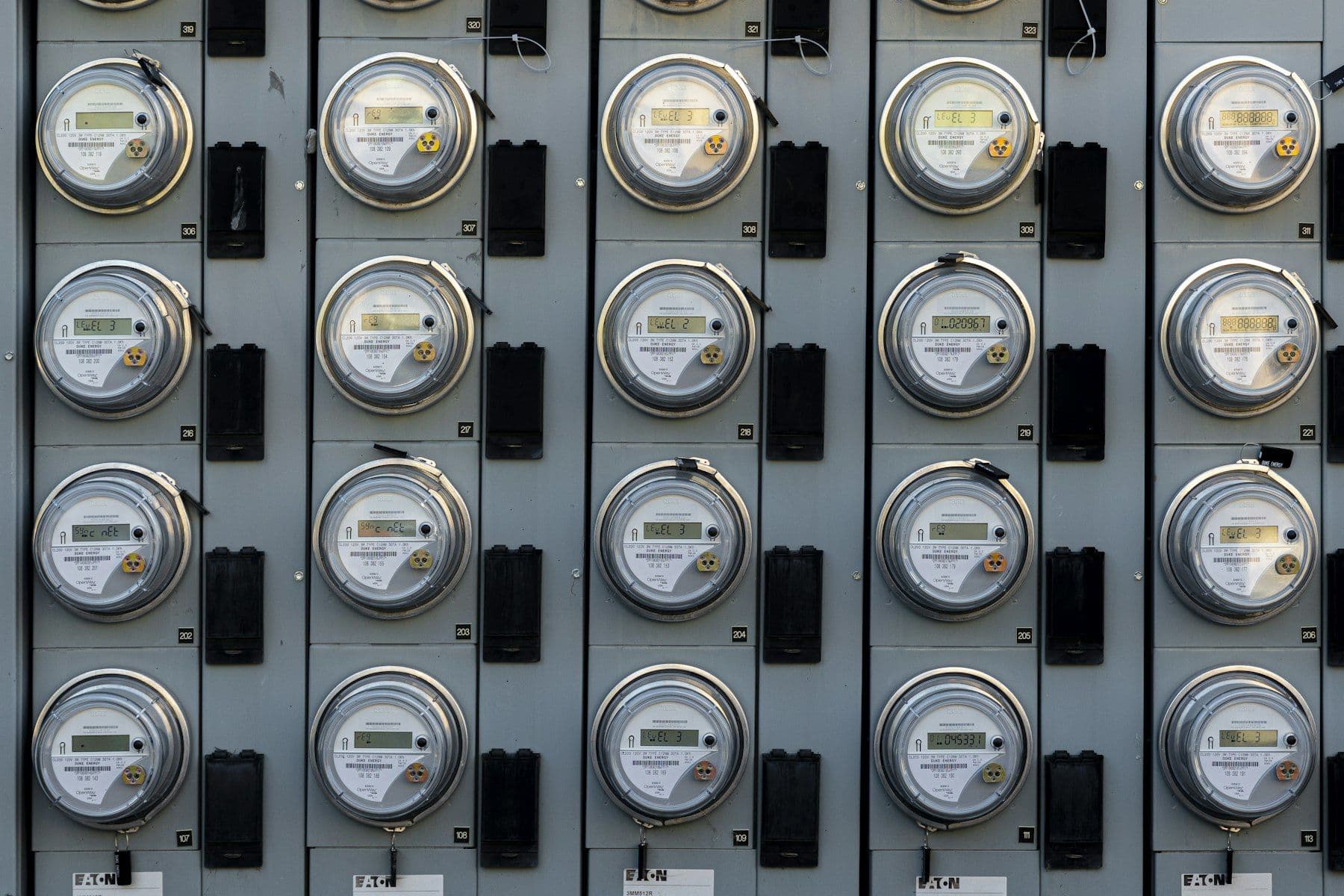
Check your rate first. The saving is the gap
Everything is per kWh. A large user may already pay less than a small shop does, so the gap to 16p to 23p can be smaller. The solar you use is billed at the fixed price, and the proposal sets your own rate against it. If the gap is thin, we say so.
We run nights and weekends. Will the roof be wasted?
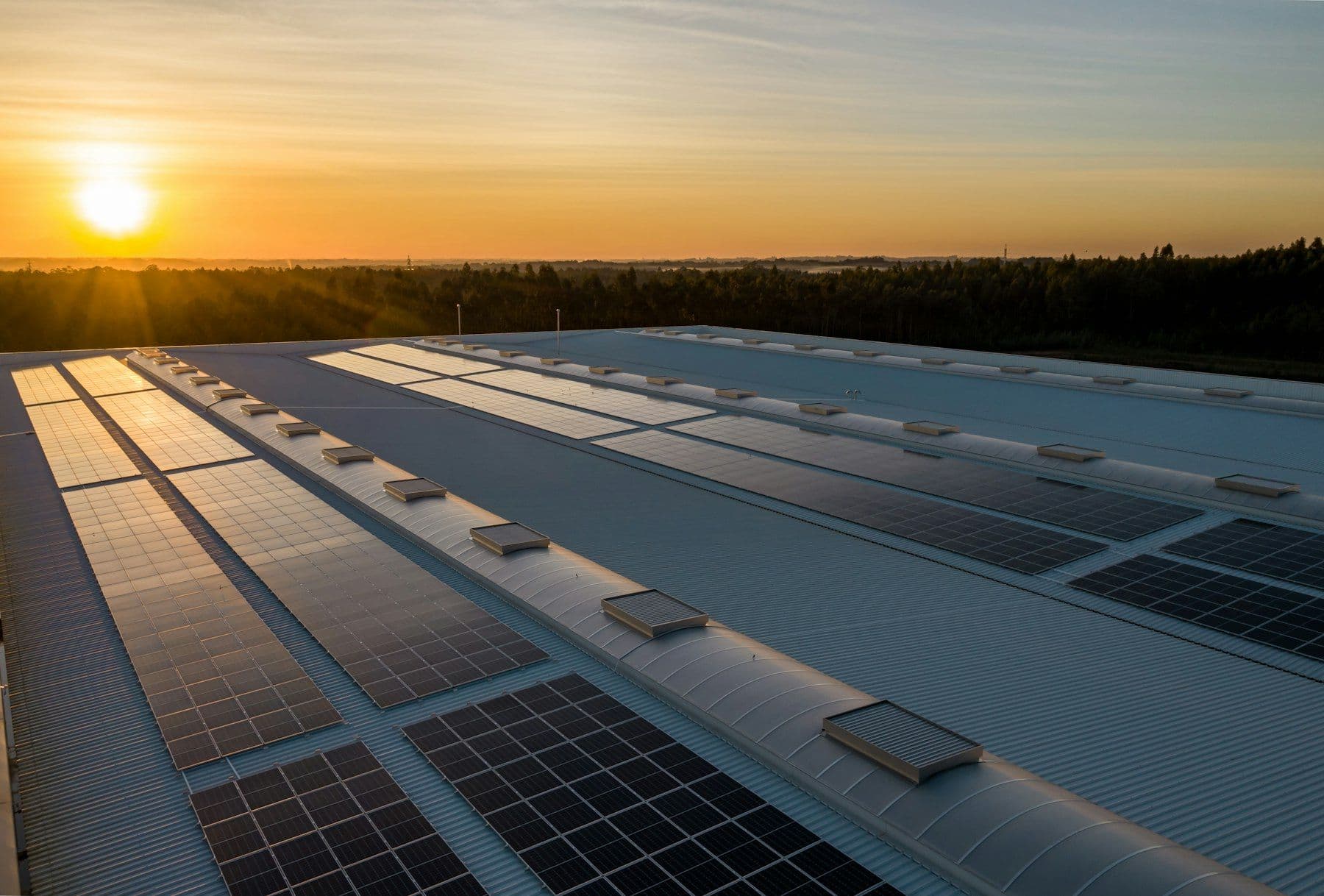
You only pay for the solar you use
On a quiet weekend the roof still makes power. You are billed only for the solar you use, so what you do not use costs you nothing. The system is sized to your real daytime load, so you are not paying for power you cannot use.
In their own words
Customers on a working site, in their own words
“We didn't even know they were there half the time. There was minimal disruption. They were clean, polite, professional.”
“The team were professional, organised, and really respectful of the fact we were open and trading.”
How an industrial install runs
From first call to switch-on, planned around your shifts
About five to six weeks in North Wales, and up to 12 weeks where the grid operator is slower.
Before you decide anything
- 1
Tell us about the site
A few quick questions, about two minutes. Or just call. Dave calls back within 24 hours. Mention your shifts.
- 2
We read your roof and your half-hourly data
A desktop survey from satellite images, plus 12 months of usage data from you. The data shows your shifts.
- 3
Your proposal, on a video call
The funder's design team builds it in up to 5 working days. It names the size, your price per kWh and the buy-out price for every year. The funder joins the call so you can ask them anything.
- 4
Paperwork that doesn't bind you
Three first papers let us apply to the grid for you. They are not binding and stay open for 10 working days.
Once you've said yes
- 5
Site survey and grid approval
A full survey on site, including the roof checks above. Then we apply to the grid operator (the DNO) and pay the fee. In North Wales, SP Energy Networks takes 2 to 3 weeks locally.
- 6
Fitted around your shifts
MCS-registered installers fit the system. Both case-study customers stayed open throughout. Agree access and any short power-off at the site survey.
- 7
Switch-on and your first bill
The direct debit starts once the system is running. Dave comes back after a month to check your first bill with you.
- System size (peak output)
- 50 kWp
- Power it makes each year
- 36,290 kWh
- Fixed price for 15 years
- 18p per kWh (was 37p)
- Saving in year one
- £4,739
- Saving over 15 years
- £131,796
The 15-year figure assumes grid prices rise 5% a year. Your proposal works out your own figures, never a promise.
Free, in writing, no obligation
A proposal built on your shifts, in writing
You shouldn't have to take our word for it. The card shows Crest's real proposal. An industrial one looks the same, but it is built on your half-hourly data and prints a buy-out price for every year. It comes back in up to 5 working days.
- The system designed for your siteSized to your real usage by the funder's design team, with how much power it should make each year.
- Your fixed price per kWhSet from your usage data. Between 16p and 23p today, and fixed for 15 years.
- Your savingsIn year one and over 15 years, worked out from your own bills. Illustrative, never a promise.
- Your buy-out price for every yearPrinted in full, falling each year to £1 at year 15. So you can see your way out before you sign.
Compare and explore
Other sites we work with, and what to read next
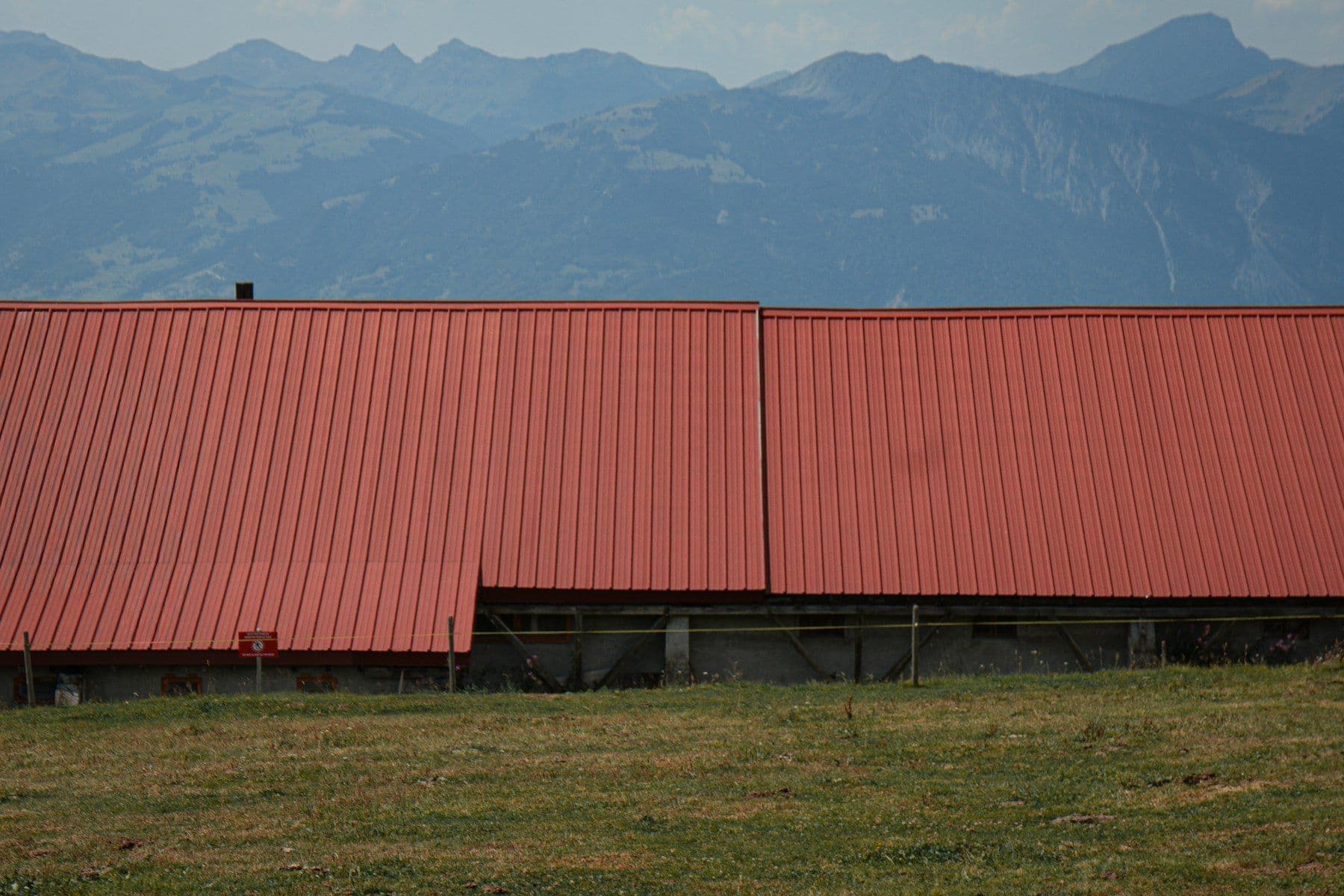
Farms and Agriculture
Barn roofs and daytime loads, from milking to chilling. A battery too, where the data justifies one.
Find out more
Hotels, Retail and Hospitality
Shops, hotels and venues that use power all day and have a car park.
Find out more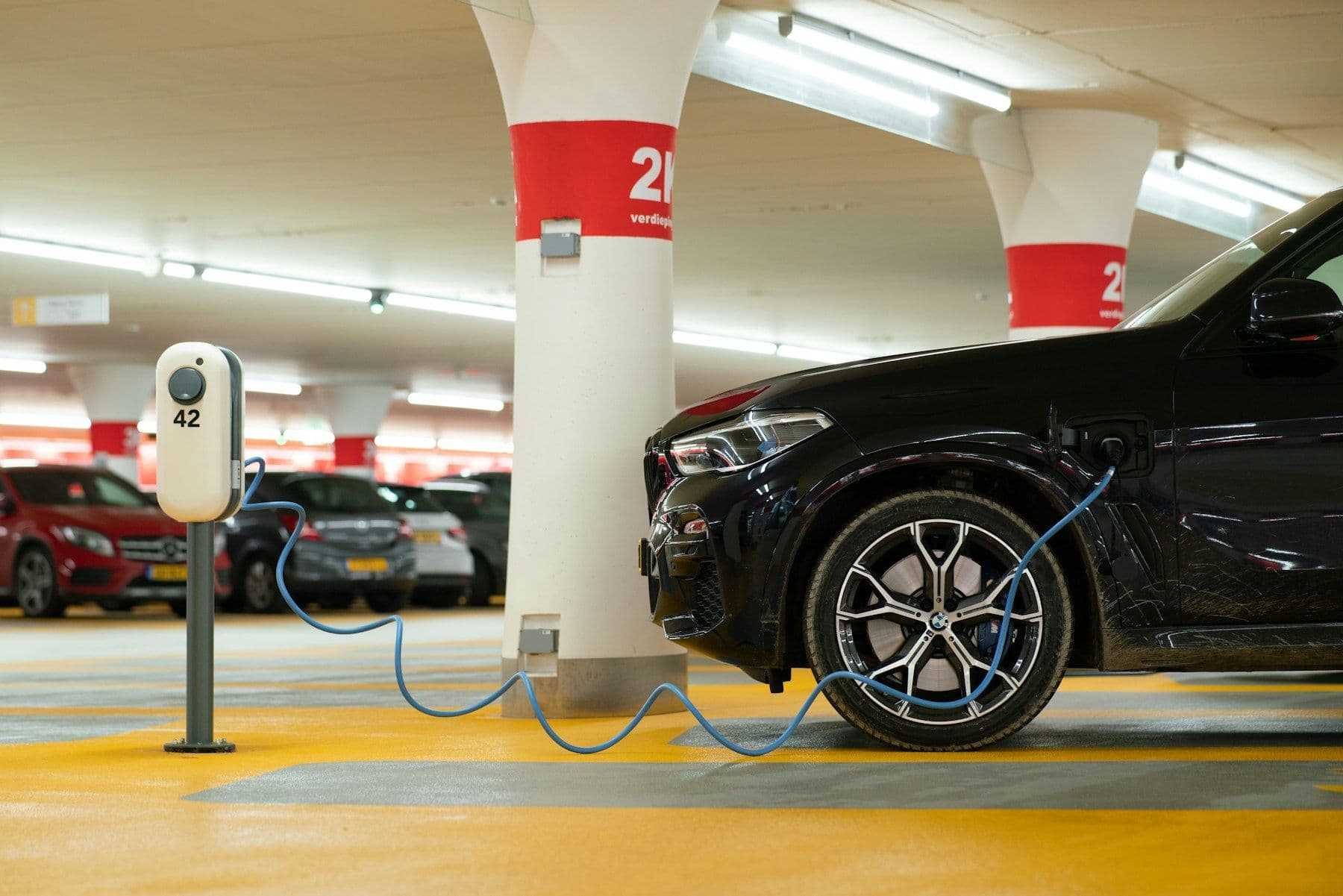
Commercial EV Charging
Two chargers at no cost where you have a car park, subject to survey.
Find out moreSee every kind of site we work with · About three-phase and the grid · See a real proposal
Where we work
Industrial solar across North Wales and Cheshire
Based in Colwyn Bay. The big industrial areas are around Deeside and Wrexham, and over the border at Ellesmere Port and Chester. These are our area pages.
Questions
Questions warehouse and factory managers ask us
Can a warehouse or factory in North Wales get industrial solar panels with nothing up front?
Yes. Industrial solar panels in North Wales can be paid for by our funding partner, with no deposit. You buy the power the roof makes at a price per kWh, fixed for 15 years. You need a three-phase supply, room for at least 20 kW and no existing solar, and we write for roofs that can take 50 kW or more.
What is the catch with a solar PPA on an industrial site?
The funder earns from the solar you buy and from selling spare power to the grid. Over 15 years that pays back the system and a bit more. The catches are a soft credit check on the business (it leaves no mark on your file) and a lease on your roof space. We tell you both up front, and the first papers do not bind you for 10 working days.
How big does the roof need to be?
At least 20 kW, which is about 45 to 50 panels. We write for 50 kW and up, which is about 120 typical panels or roughly 250 square metres of clear roof. Larger panels need fewer, and the 50 kW system at Crest used 81. A single-phase supply can only take about 15 to 17 kW, so you need three-phase.
Does a night shift or a weekend closure rule us out?
No, but it changes the size. The system is sized to your real daytime load, and you are billed only for the solar you use. Spare power goes to the grid, so a quiet weekend costs you nothing. A site that runs mostly at night is a weaker fit, and your half-hourly data shows how weak.
Why do you need half-hourly data, and what if we only have bills?
Half-hourly readings show when your site uses power, so the design team can match the roof to your shifts. A smart meter or half-hourly meter records them. If you do not have them, 12 months of bills in kWh also works, and the proposal is a little less precise.
What is the EPC B rule for 2031, and does it apply to us?
EPC means Energy Performance Certificate, the A to G rating of a building. The government has confirmed larger rented commercial buildings will need an EPC B from 2031. That means privately rented buildings over 1,000 m², and smaller ones stay on the current EPC E minimum. Solar is one of the most direct ways to lift a rating, and a PPA does it at no capital cost.
Will solar cut our Climate Change Levy?
Climate Change Levy (CCL) is added to business energy bills for each kWh. Every kWh the roof covers is one you do not draw from the grid, so there is less CCL to pay on your supplier bill. If your site has a Climate Change Agreement, you already pay a reduced rate, so there is less to save. Ask your accountant how it applies to you.
Our roof is profiled metal, or old fibre cement. Is that a problem?
This is general trade knowledge, so treat it as a guide. Profiled metal sheets are usually straightforward to fit. Older fibre cement may contain asbestos and is often brittle, so it needs a closer look first. The survey decides, whatever the roof.
We rent our unit. Do we need the landlord to agree?
Yes. The building owner has to agree to the roof lease. A better EPC rating is a reason for them to say yes. If you move out, the contract can pass to the new occupier at the same price, or be bought out from the printed schedule.
Will fitting the system stop production?
Both of our named customers stayed open and trading while the roof was fitted, though neither is a factory. Tying in to your switchboard usually needs one short, planned power-off. That is general practice, and the site survey agrees timings around your shifts.
How long does it take?
About five to six weeks from start to finish in North Wales. Where the grid operator is slower, it can take up to 12 weeks. The grid operator checks the local transformer can take your spare power, and that check sets the pace.
What happens at the end of the 15 years?
You choose. Buy the system for £1, agree a new price and carry on, stay at the same price for five more years and then buy it for £1, or pay to have it taken away. The panels have a 30-year warranty, so they should make free power for at least 10 more years after a £1 buy-out.
Find out if your roof qualifies
Send your postcode and 12 months of electricity data. We check your roof on a map and tell you quickly. It costs nothing, and nothing you sign at the start ties you in.