
Solar Panels for Charities & Community Buildings in North Wales
Solar panels for charities in North Wales, paid for by our funding partner. Nothing comes out of your funds, not even a deposit. You buy the power at a price fixed for 15 years, and the saving goes to your cause.
Nothing from your funds, not even a deposit. Your price is fixed for 15 years.

“With that saving, most importantly for us, we can give back to the community.”
£0 up front
Our funding partner pays for the system. Not even a deposit
Fixed for 15 years
Between 16p and 23p per kWh today, depending on the site (September 2026)
 NAPIT
Our installers are accredited
Our installation partners are MCS registered, and RECC and NAPIT accredited
One person to call
Dave handles the funder, the installer and the grid for you, first call to first bill
What this is
Solar panels for charities in North Wales, paid for by someone else
Our funding partner pays for the panels, the fitting and the grid connection. Once the system is switched on, you buy the power it makes at a set price per kWh (the unit your electricity bill counts in). Today that is between 16p and 23p, depending on the building (September 2026). It stays the same for 15 years.
This kind of deal is called a power purchase agreement, or PPA. For a charity the point is plain. Every pound you stop paying for grid electricity can go to your cause instead.
- Nothing from your funds, reserves or an appeal
- Your electricity supplier and contract stay as they are
- Checked, maintained and cleaned for the whole term, at no cost
- One person to call, from the first conversation to the first bill
We only work with buildings of a certain size. The sections below show how big, and which charities fit.
Which buildings suit
Hospices, halls, churches and clubs: where solar earns its keep
The test is the same for all of them. Panels only help with power you use while the sun is up. So the question is what your building does between about nine and five.
Hospices and care charities
Beds, kitchens, laundry and lighting run all day, so a roof can feed a good share of what the building uses in daylight.
Solar for care homesCommunity centres and halls
Classes, cafés, nurseries and meeting rooms fill the day. Crest is a community centre, and it is the example we can show you in full.
Churches and chapels with a busy hall
A church that is open for two services a week does not use enough. A church hall running a lunch club, a nursery or a café through the week might.
Sports clubs and leisure centres
Gyms, pools, indoor courts and clubhouses used in the day work well. Floodlit pitches used after dark do not, because the panels are asleep by then.
Food banks, warehouses and charity shops
Chillers and freezers run around the clock, and a large shed roof is simple to cover. Check the supply and the space first.
Charity offices and depots
Staff in the day means power in the day. If the roof can take 20 kW (about 45 to 50 panels), it is worth a check.
Do you qualify?
The size your building needs to be, and who this isn't for
Three things decide it: the supply, the space and the daytime use. A small hall will not make the cut, and we would rather say so now.
It suits you if
- You have a three-phase supply. This is the stronger kind of mains connection that bigger buildings have.
- Your roof or land has room for at least 20 kW, which is about 45 to 50 panels. We write mainly for buildings that can take 50 kW or more.
- You can send 12 months of electricity data. Half-hourly smart-meter readings are best, and a year of bills in kWh also works.
- Your building is busy in the daytime.
- You own the building, or the owner will agree.
It's probably not for you if
- Your supply is single-phase. A single-phase supply caps a system at roughly 15 to 17 kW, which is below our floor.
- Your site already has solar.
- Your roof could hold fewer than about 45 panels. Most village halls and small churches are in this group.
- Most of your power is used after dark.
- The owner of the building will not sign. If a landlord, council or diocese says no, we cannot go ahead.
The nearest proof is a charity
Crest Community Centre: £4,739 in year one, helping fund a food bank and a radio station
Crest is a community centre and charity in Llandudno Junction, Conwy. It employs more than 40 local people, and volunteers and adults with additional learning needs are on site too. Before solar it paid 37p per kWh. It now pays 18p per kWh for the solar it uses, fixed for 15 years.
- 50 kWp system (the size of the array at its peak): 81 Canadian Solar 615 W panels and a 40 kW inverter (the box that turns panel power into building power)
- Makes about 36,290 kWh a year, which is 71% of what the centre needs. 69% is used on site and 31% is sold to the grid
- Grid bill before: £18,986 a year on 51,314 kWh. After: £9,758 to the grid and £4,490 on the PPA, £14,248 in all
- A saving of £4,739 in year one, which helps fund the community food bank and the volunteer-run community radio station
- £131,796 over 15 years, if grid prices rise 5% a year. A careful figure, and still not a promise
Crest is one charity, and your figures will differ. The more you pay per kWh now, the more you save.
- System size (peak output)
- 50 kWp
- Power it makes each year
- 36,290 kWh
- Fixed price for 15 years
- 18p per kWh (was 37p)
- Saving in year one
- £4,739
- Saving over 15 years
- £131,796
The 15-year figure assumes grid prices rise 5% a year. Your proposal works out your own figures, never a promise.
Free, in writing, no obligation
A proposal your trustees can read before anything is signed
Every proposal has the same layout as Crest's. The funder's design team builds it in up to five working days, and we go through it with you on a video call. It sets out the system, the power it should make, your fixed price, your saving and the buy-out price for every year.
- The system designed for your siteSized to your real usage by the funder's design team, with how much power it should make each year.
- Your fixed price per kWhSet from your usage data. Between 16p and 23p today, and fixed for 15 years.
- Your savingsIn year one and over 15 years, worked out from your own bills. Illustrative, never a promise.
- Your buy-out price for every yearPrinted in full, falling each year to £1 at year 15. So you can see your way out before you sign.
Watch it
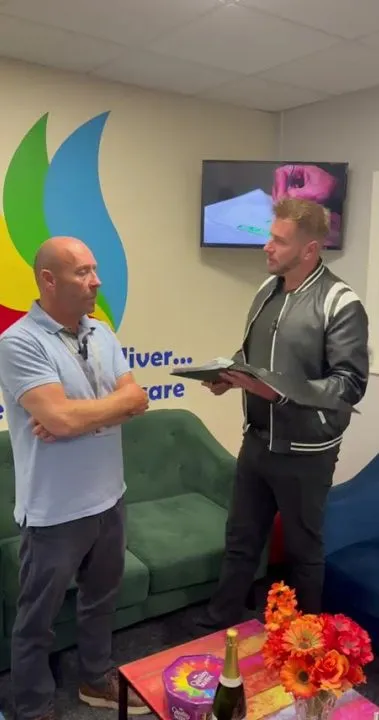
Rod, from Crest, on why a charity said yes
Rod is Crest's managing director, and he expected a catch. Nearly four minutes, in his own words.
 Crest Q&A with Rod, 3:46
Before a board says yes
The questions trustees ask us

How can it cost nothing?
The funder earns from what you buy
The funder earns in two ways. You buy the solar power you use at the fixed price, and spare power is sold to the grid. Over 15 years that pays back the system and a bit more. Rod was sceptical at first too. Once the sums were set out, he changed his mind.

Is a credit check a risk to our charity?
A soft check, told to you up front
The funder runs a soft credit check on your organisation. It does not mark your file. We say so at the start, so your treasurer is not surprised later.
Does the roof lease hand over our building?
A lease on the roof space, nothing more
The funder rents the space its panels sit on. It never owns your roof or your building. The lease is one of the first papers, and it is worth your solicitor reading it before you sign.
What if we move, sell or the people running this change?
The deal can move with the building, or you can buy it out
If you sell or move, the contract can pass to the new owner or occupier at the same rate. Or you can buy the system out from the price list in your proposal. It prints the price for every year, so a new chair or treasurer can see the way out at a glance.
What it costs
Nothing from your funds, then a price that stays put
From your funds, reserves or an appeal
Our funding partner pays for the panels, inverter, mounting, scaffolding, labour and grid connection. We also cover the grid operator's application fee, usually £500 to £1,000.
What Crest pays per kWh, fixed for 15 years
It was paying 37p. New proposals today run from 16p to 23p (September 2026), set from your usage data.
Crest's saving in year one
Illustrative for you, never a promise. Your own proposal works out your figure from your own bills.
For the other side, see what buying a commercial system outright costs.
Where Crest sits on the price scale
- PPA price: 16p to 23p, fixed for 15 years
- What our case-study customers were paying: about 23p to 53p
PPA prices as of September 2026, and your rate depends on your building. Savings are illustrative, never promised. Your proposal works out your own.
Check my buildingFree, no obligation, about two minutesThe honest comparison
Buying panels yourselves or leaving it to a PPA: what a board should weigh
Buying can be the better deal if your charity has spare cash and wants the long-term saving. A PPA suits a charity that would rather keep its money for the mission.
| What to compare | Solar PPA with Bay Bright | Buying outright |
|---|---|---|
| Money from your funds | £0, not even a deposit | The full cost. Crest's 50 kWp system is valued at £42,741 |
| Who looks after it | The funder monitors, maintains and cleans it for the whole term | Your charity arranges and pays for it |
| What the power costs | A fixed price per kWh for 15 years | Nothing per kWh once it's paid for, which is the big win of buying |
| If it makes less power | You pay less, because you only pay for what you use | You have paid for the system either way |
| Paperwork for trustees | A roof lease, a soft credit check and a 15-year agreement to read | A purchase contract with an installer |
| Who owns it | The funder, until you buy it out. £1 at year 15 | Your charity, from day one |
Who has to say yes
Trustees, owners, denominations and heritage bodies: sort the approvals early
Solar is the easy part. These are the people who most often set the pace, so start the conversations in week one.
Trustees and the Charities Act
If your charity holds the building and the roof lease runs longer than seven years, the Charities Act 2011 (sections 117 to 120) asks trustees to get a written report from a qualified surveyor and to be satisfied the terms are the best that can reasonably be obtained. The Charity Commission explains this in its CC28 guidance. A 15-year agreement points to a lease of that length. This is not legal advice, so take the papers to your solicitor.
The building's owner
If you rent, the owner has to agree. They benefit too, because solar can lift the building's EPC rating (the energy efficiency grade it is given).
About EPC B and 2031Churches and chapels
Many churches and chapels answer to a diocese, a presbytery or a denominational property team. Their approval rules are their own, so make them your first call.
Listed buildings and conservation areas
Panels on a listed building need listed building consent from the council, and a conservation area can add rules. Ask the council's conservation officer early and tell us at the start.
How it works
From first call to switch-on, with your trustees in the loop
About five to six weeks in North Wales, and up to 12 where the grid operator is slower. Allow extra if your board meets only once a month.
Before you decide anything
- 1
Tell us about the building
A few quick questions, about two minutes, or just call. Dave calls back within 24 hours and can arrange a face-to-face or Zoom talk.
- 2
We check the roof and the bills
A desktop survey from satellite images, plus the 12 months of electricity data you send over. Your treasurer or caretaker often has it.
- 3
Your proposal, on a video call
Bring a trustee or your treasurer. The funder joins, so you can ask the people paying for it anything you like.
- 4
Papers you can take to your adviser
A Letter of Authority, a Letter of Intent and an Intent to Lease (the roof lease). None is binding, and they stay open for 10 working days. That is time to put them to a solicitor and your board.
Once you've said yes
- 5
Site survey and grid approval
A full survey on site. Then we apply to the grid operator (the DNO) and pay the fee. SP Energy Networks takes 2 to 3 weeks locally, and up to 12 where it is slower.
- 6
Fitted while you stay open
MCS-registered installers fit the system. Crest stayed open and trading throughout.
- 7
Switch-on and your first bill
The direct debit starts once the system is running. Dave comes back after a month to check the first bill with you.
In Rod's words
What Crest's managing director says
“I was pretty sceptical initially because you never get anything for free in this life. But once Dave broke down the detail and explained to me how it would benefit Crest as an organisation, it became quickly to me a bit of a no-brainer.”
“We didn't even know they were there half the time. There was minimal disruption. They were clean, polite, professional.”
“With that saving, most importantly for us, we can give back to the community.”
“The job was done excellently and in good time.”
“100%. We've been through it cradle to grave.”
Keep reading
Other buildings we fit, and where charities sit among them
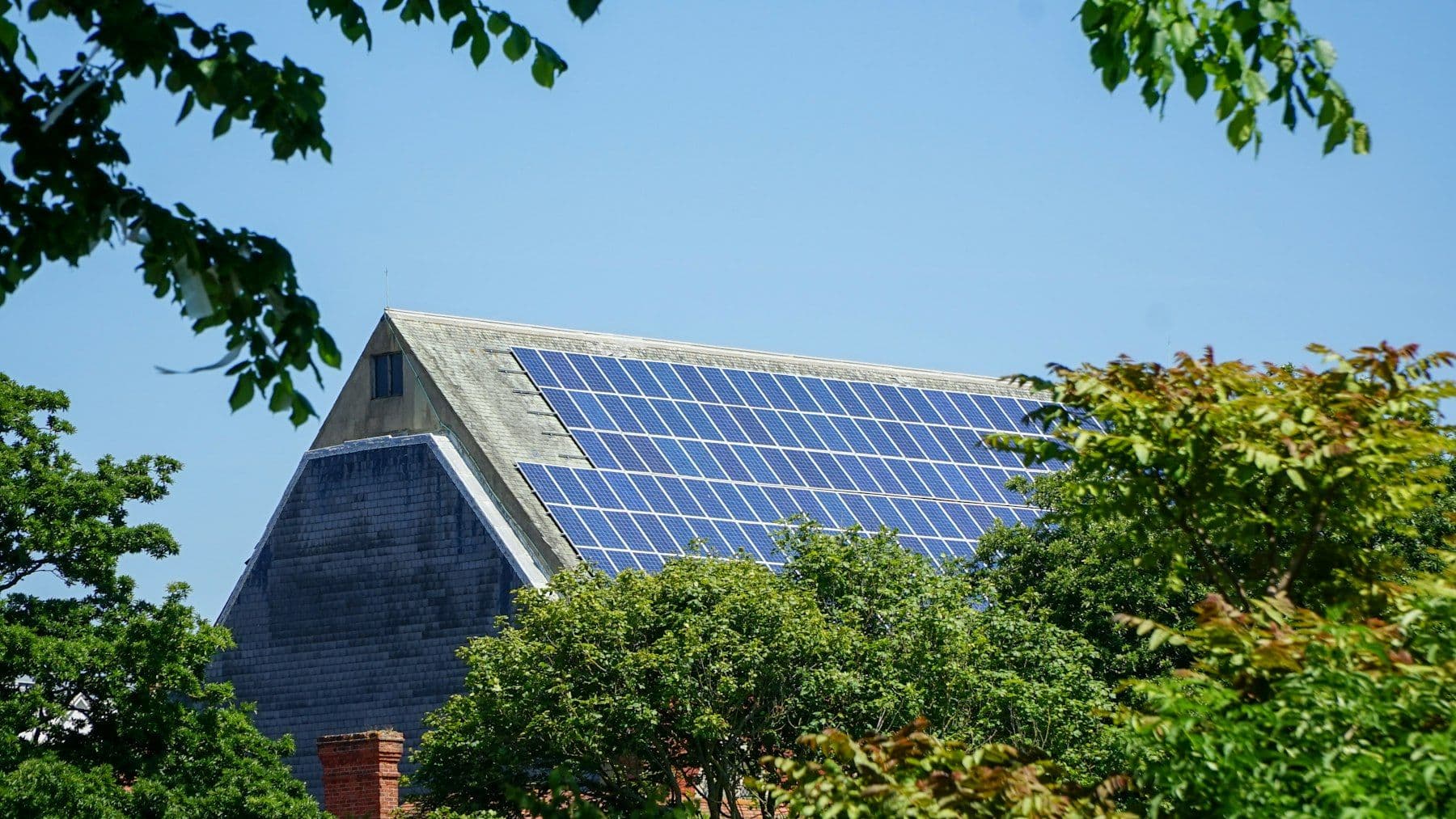
Schools
Another public building with a busy daytime and an owner to ask. See how the approvals differ.
Find out more
Care Homes
An all-day, all-night load. Useful if your charity runs residential care.
Find out more
Solar for Business
Every kind of site we work with, and how the 20 kW floor works.
Find out moreHow a PPA works, step by step · What a power purchase agreement is · Three-phase and the grid
Where we work
Charity and community solar across North Wales and beyond
Crest is in Llandudno Junction, in Conwy county. We are based in Colwyn Bay and work across North Wales, Mid Wales, Cheshire and the borders. These are our nearest area pages.
Questions
Questions charities and trustees ask us
How do solar panels for charities in North Wales work with no upfront cost?
Our funding partner pays for the panels, the fitting and the grid connection. Once the system is on, your charity buys the power it makes at a fixed price per kWh (the unit your bill counts in). The price is between 16p and 23p today (September 2026) and is fixed for 15 years. You pay by one monthly direct debit, and the rest of your power still comes from your normal supplier.
Is it really free? What is the catch?
Nothing is paid up front, but it isn't a gift. The funder earns from the solar power you buy and from selling spare power to the grid. There is a soft credit check on your organisation and a lease on the roof space, and we tell you both before you sign anything. The first three papers aren't binding and stay open for 10 working days.
Will a soft credit check affect our charity's credit file?
No. A soft check does not mark the file. The funder runs it on your organisation, and we tell you about it up front. You meet the funder on your proposal call, so you can ask them directly.
Do charity trustees have special rules to follow on the roof lease?
It depends on your charity and your building. If your charity holds the building and the roof lease runs longer than seven years, the Charities Act 2011 asks trustees to get a written report from a qualified surveyor first, and to be satisfied the terms are the best that can reasonably be obtained for the charity. That is a general point, not legal advice. We suggest taking all the papers to your solicitor and your other advisers.
Can a church, chapel or sports club get a solar PPA?
Yes, if the building passes the same tests as any other. It needs a three-phase supply, room for at least 20 kW (about 45 to 50 panels) and plenty of daytime use. It must not have existing solar. A church used for two services a week often falls short. A church hall or a clubhouse that is busy through the day is a better fit. If you are not sure, send your postcode and a recent bill.
Is our village hall big enough?
Most village halls and small churches are not. The floor is a 20 kW system, which is about 45 to 50 panels, on a three-phase supply. A smaller single-phase supply caps a system at roughly 15 to 17 kW. We would rather tell you that now than waste your time.
What if our charity rents its building?
The building's owner has to agree. They gain too, because solar can lift the building's EPC rating (the energy efficiency grade it is given). Ask them early. If the owner is a council, a church body or a landlord, their answer can take longer than the solar side.
Who looks after the system, and what does it cost us?
The funder monitors, maintains and cleans it for the whole term at no cost. The panels are cleaned every 6 to 12 months. If anything stops, it gets fixed, and your building uses the grid in the meantime. Dave stays your one contact from first call to first bill.
Will the installation disturb our users and volunteers?
Crest stayed open throughout, with staff, volunteers and adults with additional learning needs on site. Rod, its managing director, said: "We didn't even know they were there half the time." Tell us your opening hours, key events and safeguarding rules at the start.
Can we leave early, or buy the system sooner?
Yes. Your proposal prints the buy-out price (what it costs to buy the system) for every year. Crest's starts at £42,741, is £28,487 at year 5 and £14,233 at year 10, and is £1 at year 15. If you sell or move, the contract can also pass to the new owner or occupier at the same rate.
What happens at the end of the 15 years?
Your trustees choose. Buy the system for £1, agree a new price and carry on, stay at the same price for five more years and then buy it for £1, or pay to have it taken away. The panels carry a 30-year warranty, so a £1 buy-out leaves at least another 10 years of free electricity.
Find out if your building qualifies
Send your postcode and a recent bill. We check your roof on a map and tell you quickly. It costs nothing, and the first papers do not bind you for 10 working days.