
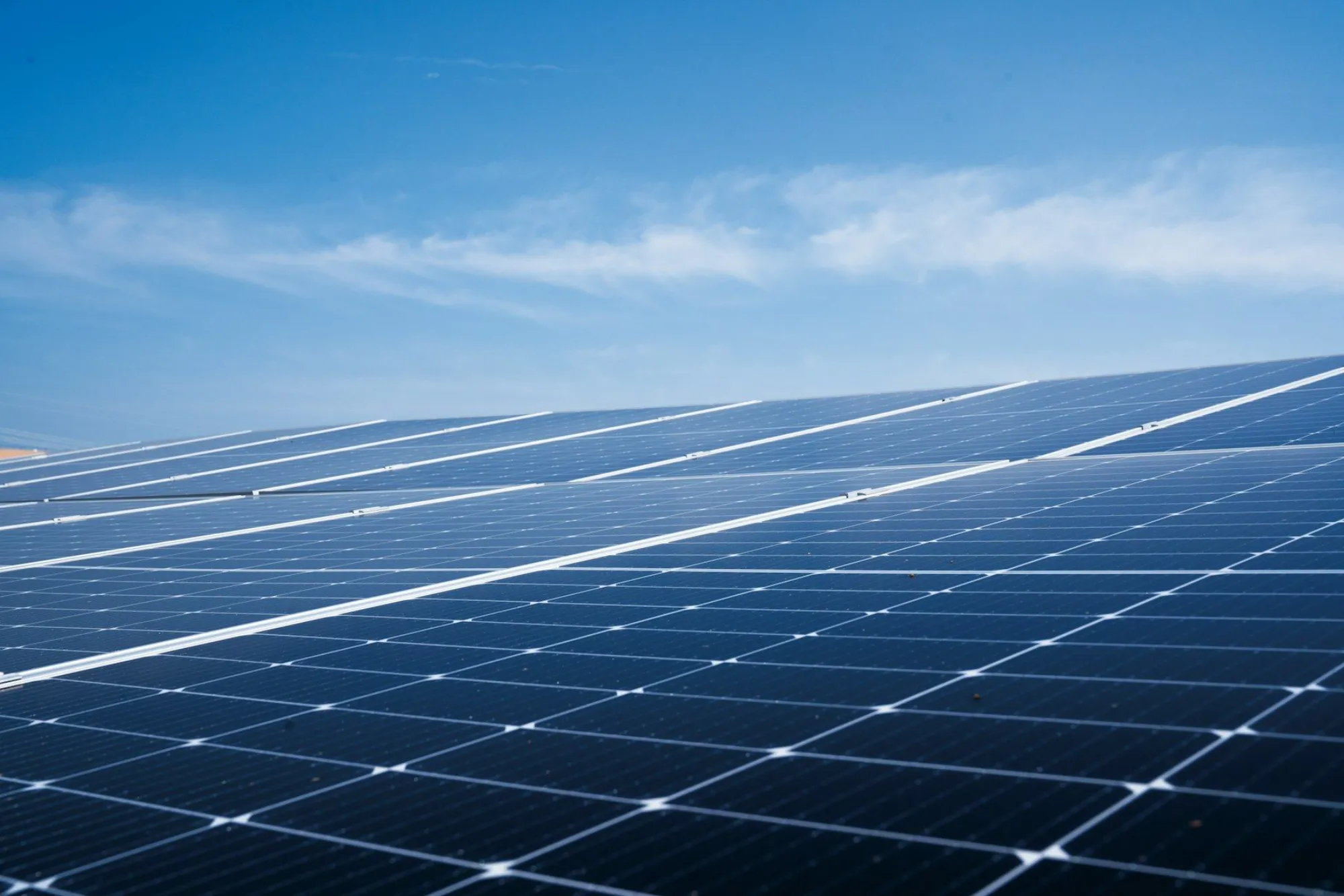
Fully funded commercial solar, serving Wrexham
Commercial Solar Panels in Wrexham
Wrexham’s industrial units usually have the heavy three-phase power that solar needs, and our funding partner pays for the whole system. You pay nothing to fit it, then buy the power at a price fixed for 15 years.
Nothing to pay up front, not even a deposit. Fixed for 15 years.
“It hasn't cost me a single penny to have it all installed.”
£0 up front
Our funding partner pays for the system. Not even a deposit
Fixed for 15 years
Between 16p and 23p per kWh today, depending on the site (September 2026)
 NAPIT
Our installers are accredited
Our installation partners are MCS registered, and RECC and NAPIT accredited
One person to call
Dave handles the funder, the installer and the grid for you, first call to first bill
What we do
Commercial solar for sites across Wrexham
Solar PPA
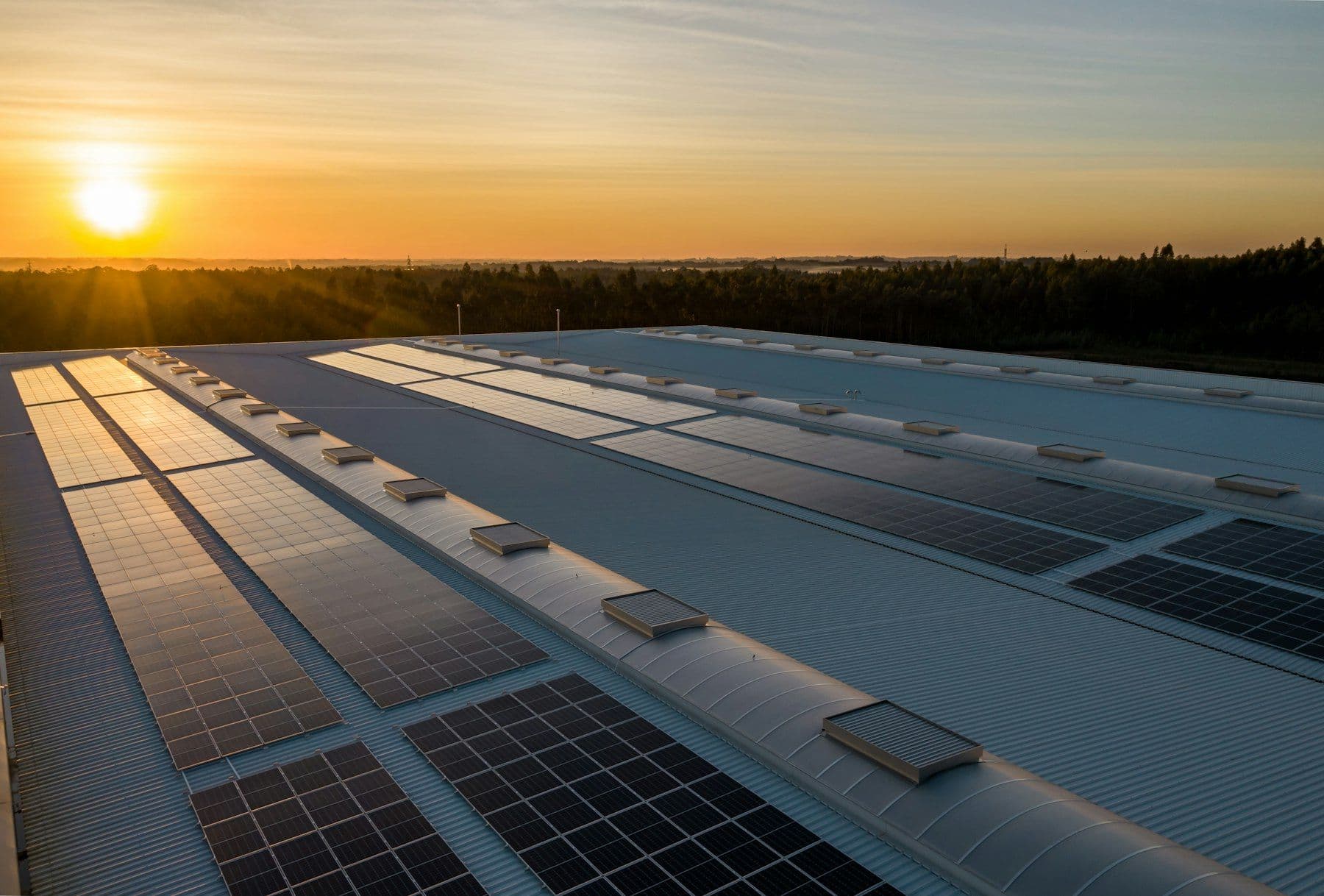
Someone else pays for the panels. You buy the power they make at a low price, fixed for 15 years.
Find out moreSolar for Business
Warehouses, shops, hotels, schools, care homes and charities. If you use power in the day, this is for you.
Find out more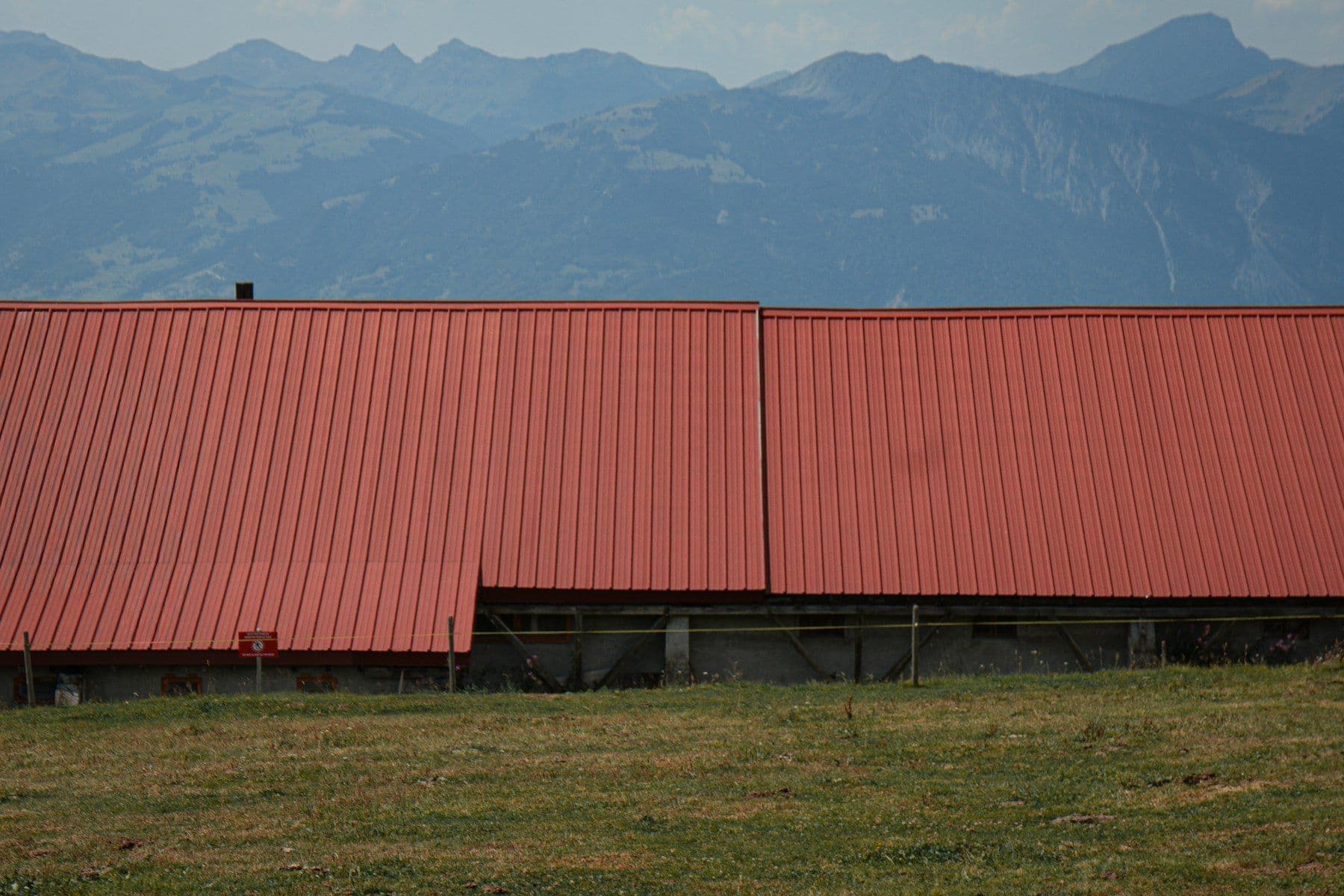
Solar for Farms
Barn roofs and big daytime loads, from milking to chilling. A battery too, where your usage justifies one.
Find out more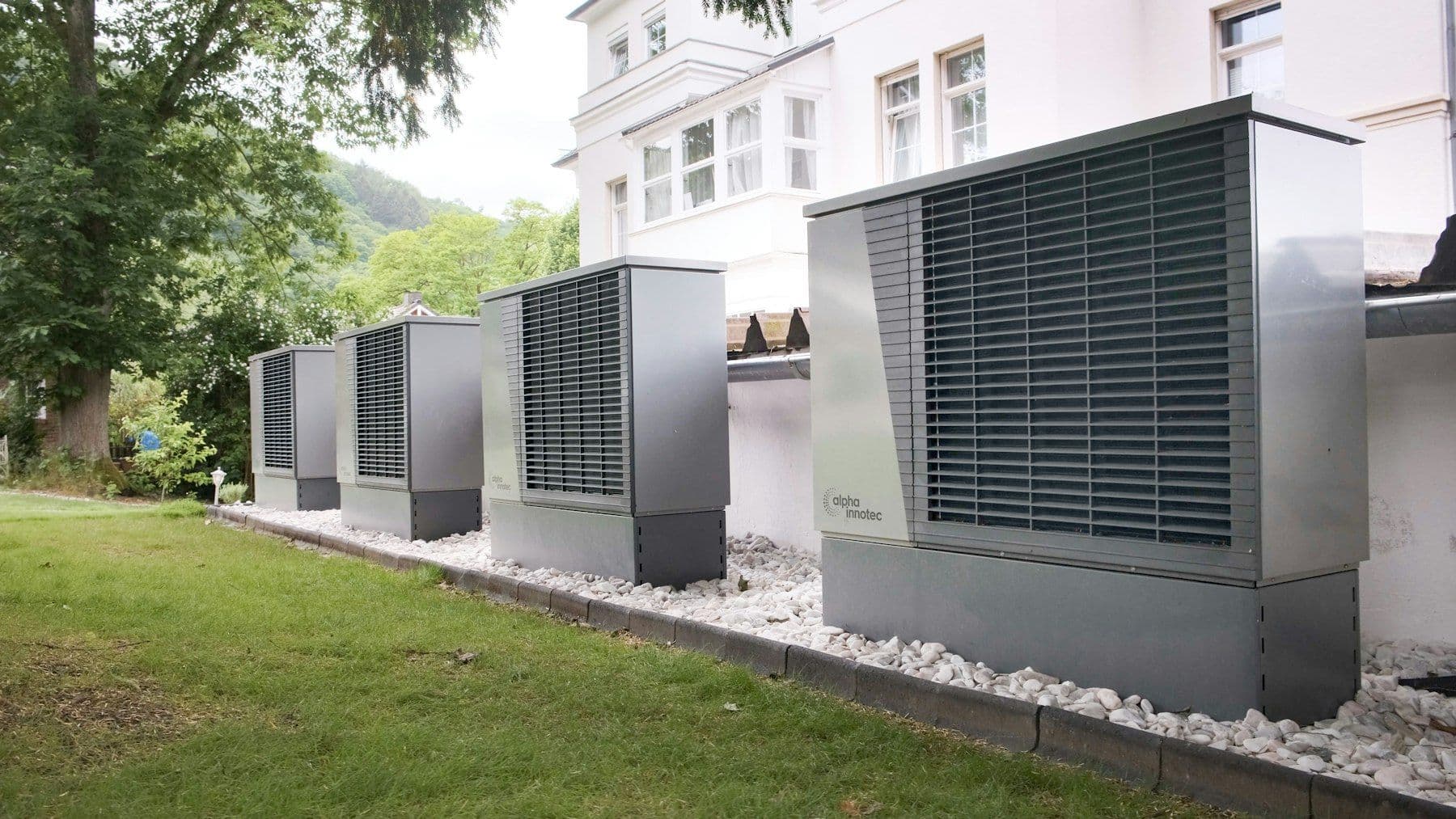
Commercial Battery Storage
Stores spare daytime power for later. We only add one if your half-hourly data shows it is worth it.
Find out more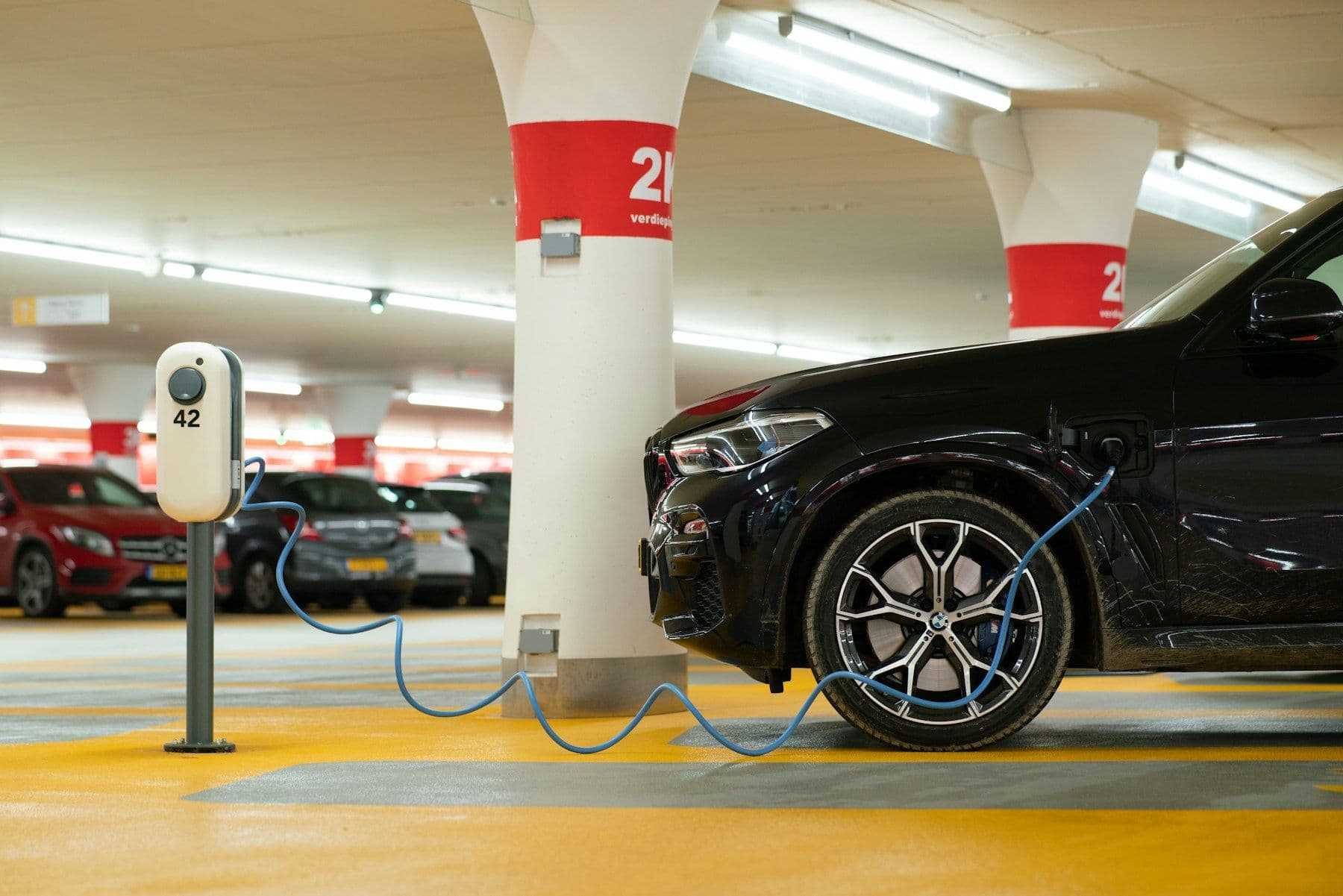
Commercial EV Charging
Two chargers at no cost where you have a car park, subject to survey. You keep 50% of the revenue.
Find out more
Who you'll be dealing with
Meet Dave Williams, your one point of contact

I'm Dave. I was born and raised in North Wales. I spent 15 years in retail management, went into solar in 2021, and studied commercial PPAs for about two years before I started Bay Bright Solar in late 2025.
I sit between the funder, the kit supplier, the installer and the grid operator, and I handle all of it for you, across Wrexham and the places around it. That's 11 funded projects so far, six of them in North Wales. I only get paid when your system is switched on, so I want it to work.
Integrity is everything to me, so we're totally transparent.
More about Dave and Bay BrightIn their own words
They thought it was too good to be true as well
“I was pretty sceptical initially because you never get anything for free in this life. But once Dave broke down the detail and explained to me how it would benefit Crest as an organisation, it became quickly to me a bit of a no-brainer.”
“It hasn't cost me a single penny to have it all installed.”
- System size (peak output)
- 50 kWp
- Power it makes each year
- 36,290 kWh
- Fixed price for 15 years
- 18p per kWh (was 37p)
- Saving in year one
- £4,739
- Saving over 15 years
- £131,796
The 15-year figure assumes grid prices rise 5% a year. Your proposal works out your own figures, never a promise.
Free, in writing, no obligation
Your proposal, worked out from your own bills
You shouldn't have to take our word for it. So the numbers come first, in writing, with no obligation. This is what Crest Community Centre's looked like. Yours comes back in up to 5 working days.
- The system designed for your siteSized to your real usage by the funder's design team, with how much power it should make each year.
- Your fixed price per kWhSet from your usage data. Between 16p and 23p today, and fixed for 15 years.
- Your savingsIn year one and over 15 years, worked out from your own bills. Illustrative, never a promise.
- Your buy-out price for every yearPrinted in full, falling each year to £1 at year 15. So you can see your way out before you sign.
What it costs in Wrexham
Nothing up front, then a low price that never moves
To have it designed, fitted and connected
Our funding partner pays for all of it. Not even a deposit.
Per kWh for the solar you use, fixed for 15 years
Depends on your site (September 2026). Everything else stays with your normal supplier.
Wrexham sites vary more by how they use power than by size. A plant on three shifts, a day-only workshop and a bakery that starts before dawn each get a different design and rate within the 16p to 23p range. What you pay now matters too. The higher your current price per kWh, the more each solar kWh saves, and the 15-year figures in your proposal are illustrations. See how a PPA works and what commercial solar costs to buy.
What you pay per kWh for the solar you use
- PPA price: 16p to 23p, fixed for 15 years
- What our case-study customers were paying: about 23p to 53p
PPA prices as of September 2026, and your rate depends on your site. Savings are illustrative, never promised. Your proposal works out your own.
Check your eligibilityFree, no obligation, about two minutesThe honest comparison
A solar PPA or buying outright: how they compare
Buying can be the better deal if you have the cash and want to manage it yourself. A PPA suits a site that would rather keep its money and hand over the work.
| What to compare | Solar PPA with Bay Bright | Buying outright |
|---|---|---|
| Cost up front | £0, not even a deposit | The full cost. Crest's 50 kWp system is valued at £42,741 |
| What you pay for power | A fixed price per kWh for 15 years | Nothing per kWh once it's paid for, which is the big win of buying |
| Repairs, checks and cleaning | Covered for the full term at no cost | Yours to arrange and pay for |
| If it makes less power | You pay less, because you only pay for what you use | You have paid for the system either way |
| Who owns it | The funder, until you buy it out. £1 at year 15 | You, from day one |
| The grid application | We do the forms and pay the fee | Usually part of your installer's price |
It sounds too good to be true
The elephant in the room: what is the catch?

What is the catch?
Here is how the money works
Our funding partner earns in two ways. You buy the solar power you use at the fixed price, and any spare power is sold to the grid. Over 15 years that pays back the system, and a bit more. The funder gets a long, steady return. You get cheaper power and pay nothing to start.

Who is the funder, and do they get my roof?
A UK company that rents the roof space, nothing more
Our funding partner is a UK company. Its projects are paid for by a UK bank, and the systems are insured. You meet them on your proposal call. They only rent the space on your roof (a roof lease). They never own your roof or your building. They also run a soft credit check on the business, which leaves no mark on your file. We tell you that up front.
What if it makes less power than you said, or breaks?
You only pay for the solar you use
Your proposal states how much power the system should make. The funder only earns when it generates, so it has every reason to keep it working. If it makes less, you pay less. It is watched from a central screen, and if something stops, it gets fixed at no cost. While that happens, your building just uses the grid.
Am I locked in for 15 years?
You can buy it at any time, from a printed list
Your proposal prints the buy-out price for every year, and it falls each year. Crest's starts at £42,741, is £28,487 at year 5, £14,233 at year 10 and £1 at year 15. If you sell the building, the deal can pass to the new owner at the same price, or you can buy it out.
How it works
From first call to switch-on, in about five to six weeks
Before you decide anything
- 1
Tell us about your site
A few quick questions, about two minutes. Or just call. Dave calls back within 24 hours.
- 2
We check your roof and bills
A desktop survey from satellite images, plus the 12 months of usage data you send over.
- 3
Your proposal, on a video call
The funder's design team builds it in up to 5 working days. We go through it with you, and the funder joins so you can ask them anything.
- 4
Paperwork that doesn't bind you
Three first papers let us apply to the grid for you. They are not binding and stay open for 10 working days.
Once you've said yes
- 5
Site survey and grid approval (DNO)
A full survey on site. Then we apply to the grid operator and pay the fee. SP Energy Networks takes 2 to 3 weeks locally, and it can take up to 12 weeks where the operator is slower.
- 6
Fitted while you stay open
MCS-registered installers fit the system. Both our case-study customers stayed open throughout.
- 7
Switch-on and your first bill
The direct debit starts once the system is running. Dave comes back after a month to check your first bill with you.
Commercial solar in Wrexham
Commercial solar panels in Wrexham suit a city of factories and depots
Commercial solar panels in Wrexham make more sense than in most towns, and the reason is plain. This is a city of factories, bakeries, labs and depots, and most of them run on three-phase power (a heavier electrical supply than a house has, needed for any system above roughly 15 to 17 kW). Under a power purchase agreement (PPA), a funding partner pays for the panels and you buy what they make, in pence per kilowatt hour (kWh), at a rate fixed for 15 years.
Wrexham Industrial Estate is the main reason. It covers more than 550 hectares, holds over 340 businesses and employs over 10,000 people, in automotive, aerospace, food, pharmaceuticals and engineering. Names there include JCB, Kellogg’s, Ipsen and Wockhardt. Around the estate sit Llay, Chirk and the villages, each with its own mix of works and farms.
Daytime load is the heart of it. A bakery that starts at 6am and a pharma plant with cleanrooms and cold stores use a lot of power while the sun is up. A plant that runs hard through the night uses less of a roof’s output, which is why we ask for half-hourly meter readings before sizing anything. The design team fits the system to the load, not the other way round.
We cannot name a Wrexham project, and we will not imply one. Our two named jobs are a community centre in Llandudno Junction and a farm shop in Buckley, which is the closer of the two. What we can do is show you their printed figures, then give you your own in a written proposal.
What matters in Wrexham
Six things that shape commercial solar in Wrexham
The scale of the estate, the shape of the load, and who owns the roof.
One estate, more than 340 businesses
The industrial estate lies on the edge of the city and takes in everything from small workshops to plants employing hundreds. Roof sizes vary a lot, so the 20 kW floor (about 45 to 50 panels) rules out few units and a system above 50 kW suits many.
Three-phase is the norm, so check capacity
Industrial buildings are usually wired for three-phase because machinery needs it. The real question is not whether you have it but how much spare capacity the site has to send power back. SP Energy Networks is the DNO (the company that runs the local lines) and checks that when we apply. We cover the cost of the application.
Shifts, ovens and cold stores
Food and pharma plants can run around the clock. The roof only works in daylight, so we look at when you use power, not just how much. A battery is added only where your half-hourly data shows it pays. Without it the building simply draws from the grid after dark, as it does now.
Landlords, tenants and the EPC rule
Many units are rented. The owner must agree to lease the roof. The government has confirmed larger rented commercial buildings will need an EPC B from 2031. An EPC is the energy performance certificate every non-domestic building carries. Solar is one of the most direct ways to lift a rating, and a PPA does it at no capital cost.
Heritage on the edges
Pontcysyllte Aqueduct and the canal are World Heritage. Erddig is a National Trust property. Chirk Castle and Gresford’s Grade I church shape the villages. Business roofs in Wales are often permitted development, but a unit with a view to a protected site may get a closer look from the council.
The nearest proof is Lesters in Buckley
No Wrexham job to point to, so here is the closest. Lesters Farm Shop in Buckley, a 56.7 kW system, was paying about 23p per kWh and now pays 17p for its solar. Its own proposal shows £2,624 saved each year. Treat every figure as an illustration.
See the Lesters figuresWhere we work
Wrexham and its villages: what to expect in each place
Eight places, from city centre to border village. Here is what is typical and what we would look at first.
Wrexham
The city centre has the largest retail sector in North Wales, though shop roofs there are modest. The big roofs are on the industrial estate and the retail and trade sites round the edge.
Llay
A former colliery village, whose Llay Main pit was once the deepest in the UK. Its industrial estate is about as big as the village itself, and holds an electronics factory. Plenty of plain roofs, so the question is mostly the load.
Chirk
A border town with a Kronospan wood panel plant and a Cadbury factory that has made drinking chocolate since 1969. Plants like those plan power on their own terms. The smaller units and farms around them are the likelier fit.
Gresford
A village north of the city, known for its Grade I listed church and the memory of the 1934 colliery disaster. Commercial roofs tend to be pubs, small shops and farms, and protected buildings call for careful planning.
Rhosllanerchrugog
A former mining village, known as Rhos, of mostly terraced streets. The roofs that suit solar here are community buildings run by charities, and the larger units on the edge of the village.
Ruabon
A town with a long history of brick and tile making. Many old works and halls survive, so listing status and roof strength are the first things to check.
Marchwiel
A small village about two miles south-east of the city, on the A525. Estate farms are the likely roofs here, with heritage land nearby to consider.
Rossett
A village close to the English border and the A483, between Wrexham and Chester. SP Energy Networks covers both sides, so the grid check is the same.
Wrexham questions
Commercial solar in Wrexham: what people ask
Can a unit on Wrexham Industrial Estate get commercial solar panels in Wrexham?
Very likely, if the roof has room and the owner agrees. Most units there have three-phase power and flat or shallow roofs. Send a postcode and a recent bill, and the funding partner’s design team will size a system from the satellite images and your usage.
We run night shifts. Does solar still help?
It can, but less. Panels only make power in daylight, so a plant that works hardest at night uses less of the output. We look at your half-hourly readings before sizing anything, so you never pay for power you cannot use.
How do I find out if my building has three-phase power?
Look at your meter or ask your electrician. Most industrial buildings do, because machinery needs it. A shop or an old farm office is more likely to be single-phase, which caps a system below our 20 kW minimum.
Have you installed anywhere in Wrexham?
Not one we can name. Our two named projects are Crest Community Centre in Llandudno Junction and Lesters Farm Shop in Buckley, and both sets of figures are printed in full.
What does the 2031 EPC rule mean for a rented unit?
For privately rented buildings over 1,000 square metres, 2031 is the date for EPC B, where that is cost-effective. Smaller buildings stay on the current minimum of E. If you are the tenant, the rating is mainly a matter for your landlord, and a PPA lets them lift it without spending capital.
Is planning different near the Pontcysyllte World Heritage Site?
It can be. Panels on a business roof are often permitted development in Wales, but a protected setting makes the council look harder. Give us the full address and we will check before the proposal is made.
Would a food factory with cold stores need a battery?
Not necessarily. Cold stores run day and night, so a roof sized to the daytime base load is used in full. A battery is added only where the data shows it earns its place, and it raises the rate a little.
How long from first call to switch-on in Wrexham?
About five to six weeks where the grid operator is quick. A rural line or a busy substation can stretch that to 12 weeks. The first papers carry no commitment for 10 working days.
Find out if your Wrexham site qualifies
Send your postcode and a recent bill. We check your roof on a map and tell you quickly. It costs nothing, and nothing you sign at the start ties you in.