
The grid check, in plain words
Three-Phase, the DNO and Your Grid Connection
A DNO application for solar is the grid operator's check before a commercial system goes live, and three-phase is the first question. This guide explains both, and who pays.
Nothing to pay up front, not even a deposit. Fixed for 15 years.
The short answer
What is a DNO application for solar, and why does three-phase come first?
A DNO application for solar is the request we make to your local electricity network operator (the DNO, short for distribution network operator) before any panels are switched on. It asks one thing: can the local grid take the power your system sends out? A question comes before that one. Do you have a three-phase supply? A single-phase supply can take only about 15 to 17 kW, and our minimum is 20 kW.
We make the application for you and pay for it, and with SP Energy Networks in North Wales it usually takes 2 to 3 weeks. The rest of this page explains the supply, what the operator checks, the rulebook it works to (G99) and who pays.
Why three-phase comes first
Three-phase is the first question we ask, and the one we can't bend on
It is a limit of your supply, not of our paperwork. Everything else on this page comes after it.
Single-phase: one live supply
A house and many small shops have it. It can take a solar system of only about 15 to 17 kW, which is below our 20 kW minimum.
Three-phase: three live supplies
Most businesses and farms have it. It carries far more power, and the three-phase inverter (the box that turns panel power into the power your building uses) is built for it.
If you only have single-phase
Then a PPA does not fit as things stand. Some sites can ask their network operator about an upgrade to three-phase. That is a separate job with its own cost and wait, so talk to us before spending anything.
Check your supply
How to check if you have a three-phase supply in five minutes
Look, but don't open anything. Never remove a meter or fuse cover. If you'd rather not, skip to step three.
Look at the fuses by your meter
Single-phase usually has one main fuse. Three-phase usually has three, often 100 amp.
Count the thick cables going in
Three or four cables into the meter usually means three-phase. Two usually means single-phase.
Ask someone who can confirm it
Your supplier, your electrician or the network operator can confirm it from your supply details.
Not sure? Ask us
Send your postcode and a recent bill, and tell us what you found. We take it from there.
What the DNO checks
What does the DNO check before it says yes?
The DNO is the company that owns the local poles, cables and transformers. It is not your electricity supplier, and you don't change either one to go solar.
Can the local transformer take it?
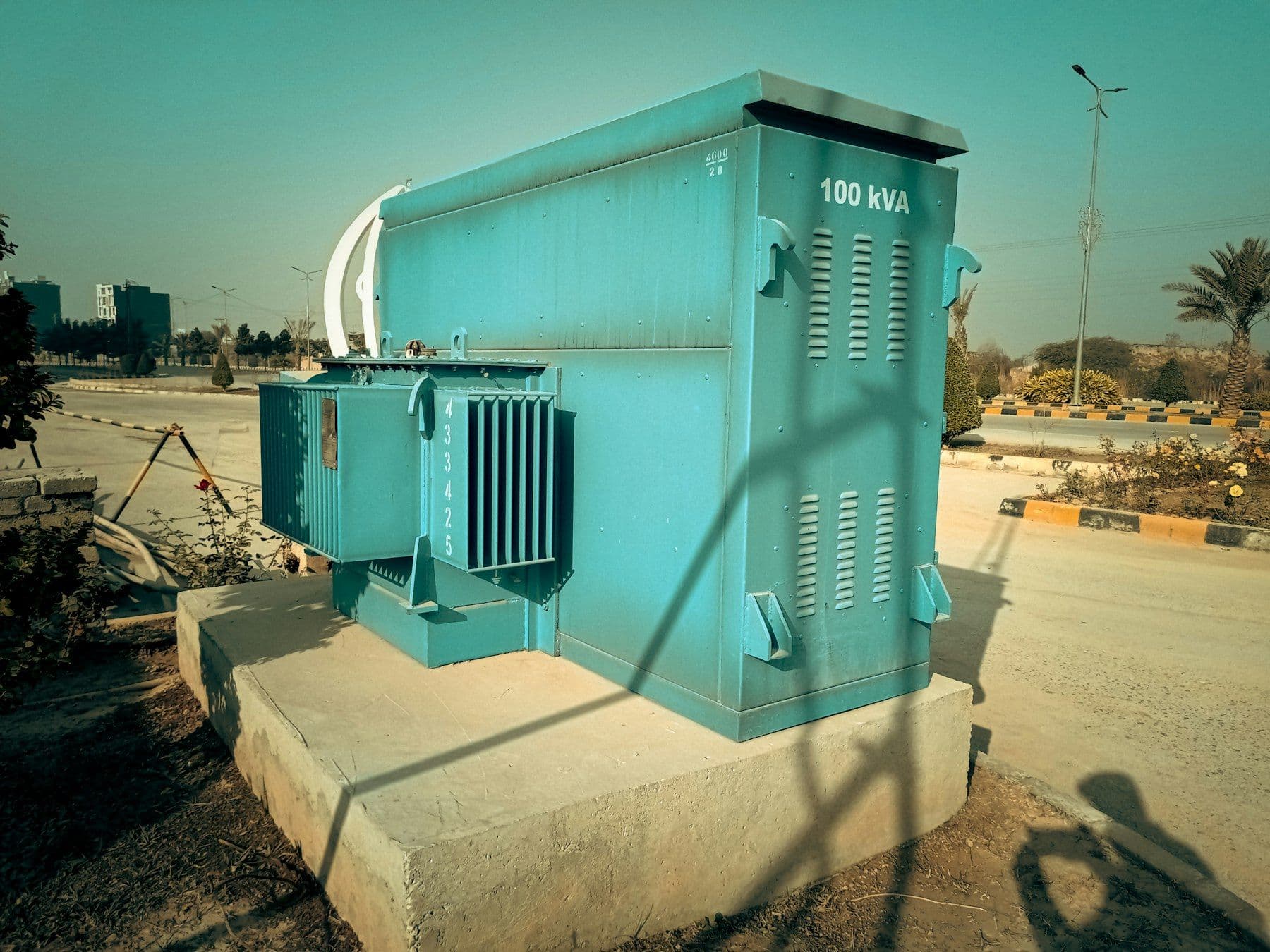
Your site is fed from a transformer nearby. On a sunny day your panels may send out more power than the site uses. The DNO checks that the transformer can accept that export.
Does the voltage stay in limits?
Pushing power back onto local cables lifts the voltage on them. There is a legal limit, and the operator checks your system keeps inside it.
Is the connection itself right?
It looks at your supply, the system's technical details and your site's MPAN. The MPAN is the long number on your bill that identifies your supply.
The answers you can get
The operator can say yes. It can say yes with an export limit, which is a device that caps what the site sends out so the panels keep working for your own use. Or it can name upgrade work on its network. Dave goes through whichever answer comes back with you.
G99 explained
What is G99, and does it apply to your system?
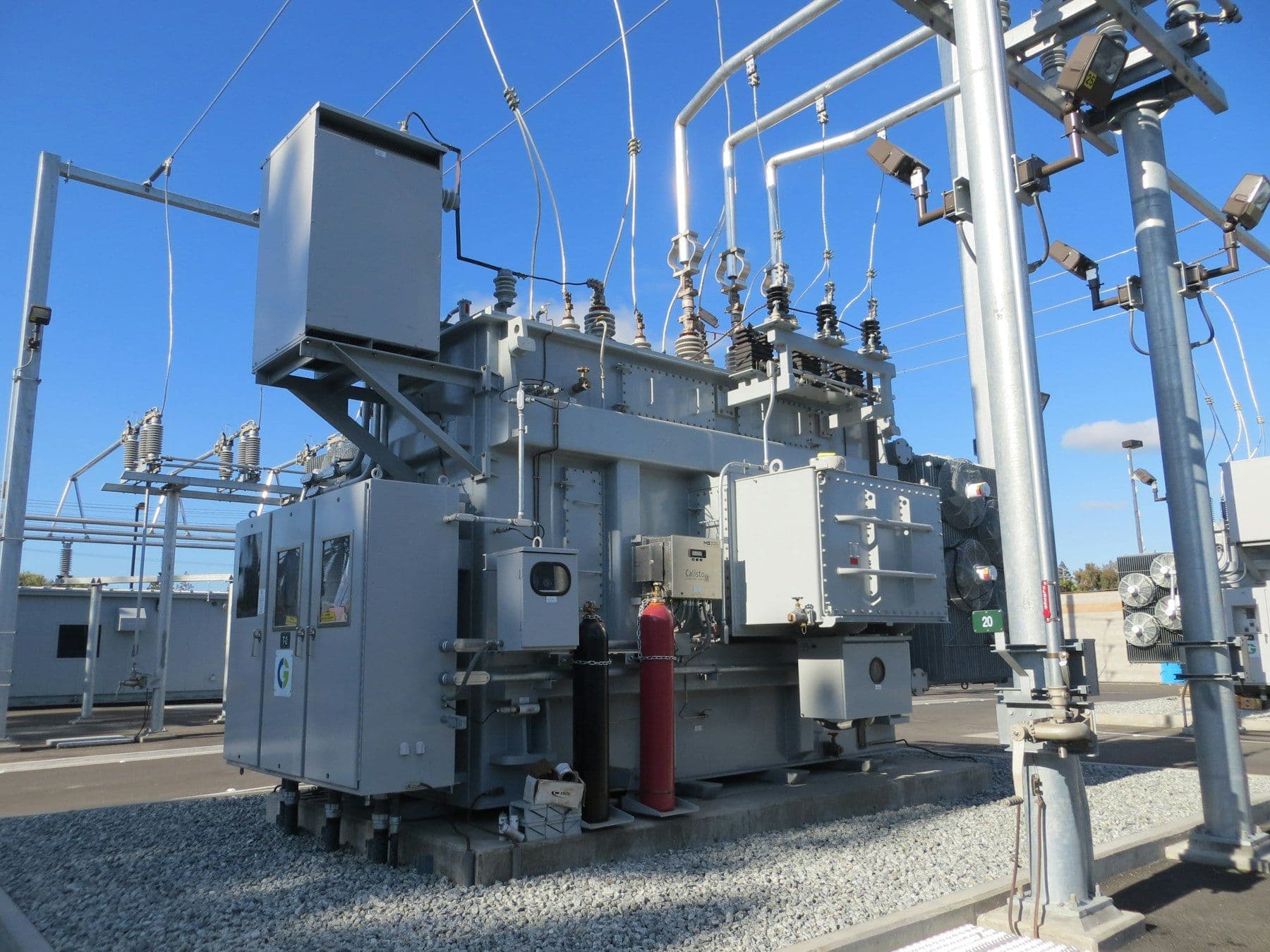
G99 is the rulebook for connecting generators to the public grid. Its full name is Engineering Recommendation G99. It is written by the Energy Networks Association, which speaks for the network operators, and it has applied since 27 April 2019, replacing the older G59.
It covers any generator above 16 amps per phase, which is about 3.68 kW per phase. Our smallest system, 20 kW, is about 29 amps on each phase of a three-phase supply, so every project we arrange is a G99 job. G99 groups generators by size, and anything from 800 watts up to just under 1 MW falls in its Type A band.
The smallest systems use a lighter route called G98, where the installer informs the operator. We don't use it.
| What to compare | G98, the lighter route | G99, what our projects use |
|---|---|---|
| Applies to | Up to 16 amps per phase (about 3.68 kW per phase) | Above 16 amps per phase. Every system we arrange is 20 kW or more |
| Before it is connected | The installer informs the operator | The operator assesses the application and gives its answer first |
| Who does the paperwork | The installer | Dave makes the application with your site's MPAN, backed by the system's technical details |
Network operators publish their own forms and portals, so the details differ a little between SP Energy Networks and the others. After the system is fitted, the commissioning paperwork goes to the operator too.
How long it takes
How long does a DNO application for solar take?
SP Energy Networks, through its SP Manweb network, runs the grid across North Wales, Merseyside and parts of Cheshire. These are the timings we work to.
Where the operator is slower, a whole job can take up to 12 weeks. We apply in week 5 of a typical job, after the PPA contract is signed and alongside the full site survey. Nothing is fitted until the operator has answered.
Who pays
Who pays for the DNO application and the grid connection?
You don't. Here is who covers what.
You: £0
Nothing for the application, the connection work or the install. Not even a deposit.
Us: £500 to £1,000
The typical cost of the DNO application. We cover it, and we are only paid when your system is switched on.
Our funding partner: the system
It pays for the panels, inverters, mounting, scaffolding, labour, grid connection and installation.
What we can't price in advance
If an operator asks for upgrade work on its own network, we can't put a figure on it here. It would come back with the operator's answer, and Dave would go through it with you.
Where the grid check fits
From first call to switch-on, in about five to six weeks
Before you decide anything
- 1
Tell us about your site
A few quick questions, about two minutes. Or just call. Dave calls back within 24 hours.
- 2
We check your roof and bills
A desktop survey from satellite images, plus the 12 months of usage data you send over.
- 3
Your proposal, on a video call
The funder's design team builds it in up to 5 working days. We go through it with you, and the funder joins so you can ask them anything.
- 4
Paperwork that doesn't bind you
Three first papers let us apply to the grid for you. They are not binding and stay open for 10 working days.
Once you've said yes
- 5
Site survey and grid approval (DNO)
A full survey on site. Then we apply to the grid operator and pay the fee. SP Energy Networks takes 2 to 3 weeks locally, and it can take up to 12 weeks where the operator is slower.
- 6
Fitted while you stay open
MCS-registered installers fit the system. Both our case-study customers stayed open throughout.
- 7
Switch-on and your first bill
The direct debit starts once the system is running. Dave comes back after a month to check your first bill with you.
Two fair worries
What people ask about the grid side

Do I have to deal with the grid operator myself?
No, Dave applies and chases it
Dave applies to the DNO using your site's MPAN and sits between the funder, the installer and the operator. You don't need to know your way around G99. You may be asked for a bill or a few details.
Will waiting for the grid hold up my job?
Usually a few weeks, then installation follows
Locally the answer comes back in 2 to 3 weeks. While the operator checks, nothing is fitted. Once it has answered, the installers come, and both our case-study customers stayed open and trading throughout.
In their own words
What it was like once the grid check was done
“The team were professional, organised, and really respectful of the fact we were open and trading.”
“We didn't even know they were there half the time. There was minimal disruption. They were clean, polite, professional.”
Questions
Three-phase and DNO questions, answered
What is a DNO application for solar?
It is the request to your local network operator (the DNO) to connect your solar system to the grid. The operator checks the local network can take the power you send out. We make it for you using your site's MPAN, and we cover the cost.
Do I need a three-phase supply for commercial solar?
Yes, for the systems we arrange. A single-phase supply can take only about 15 to 17 kW, which is below our 20 kW minimum. Most businesses and farms already have three-phase.
How do I check whether I have three-phase?
Look at the fuses by your meter without opening anything. Three main fuses, often 100 amp, usually means three-phase, and one means single-phase. Your supplier, your electrician or the network operator can confirm it.
What is G99?
G99 is the rulebook for connecting generators above 16 amps per phase (about 3.68 kW per phase) to the public grid. It is written by the Energy Networks Association and has applied since 27 April 2019. Every system we arrange is above that line, so each one is a G99 application.
What is the difference between G98 and G99?
G98 is a lighter route for the smallest systems, where the installer informs the network operator. G99 is for anything above 16 amps per phase, and the operator assesses the application first. Systems of 20 kW and up are G99.
How long does DNO approval take?
With SP Energy Networks in North Wales we see 2 to 3 weeks. A proposal can say up to 8 weeks, and 12 weeks is the longest the rules allow. A whole job takes about five to six weeks locally, and up to 12 weeks where the operator is slower.
How much does a DNO application cost, and who pays?
It typically costs £500 to £1,000, and we pay it. You pay nothing, and our funding partner pays for the system and its grid connection. We are only paid when your system is switched on.
What does the DNO check?
Mainly whether the local transformer can accept the power your system sends out, and whether the voltage on nearby cables stays within the legal limit. It may say yes, or yes with an export limit (a device that caps what the site sends out).
What is an MPAN, and why do you need it?
The MPAN is the long number on your electricity bill that identifies your supply. We use it to apply to the DNO. The first two digits in its top-left box also show whether your meter is half-hourly (00 means it is).
Can panels go in before the DNO says yes?
No. In our process the application goes in before installation, and the system is not switched on until the operator is happy. That is why the grid check sits before the install in the timeline.
Who is the DNO in North Wales?
SP Energy Networks, through its SP Manweb network, which runs the grid across North Wales, Merseyside and parts of Cheshire. Other parts of Britain have a different operator with its own timings.
Case studies
Real sites that went through the grid check
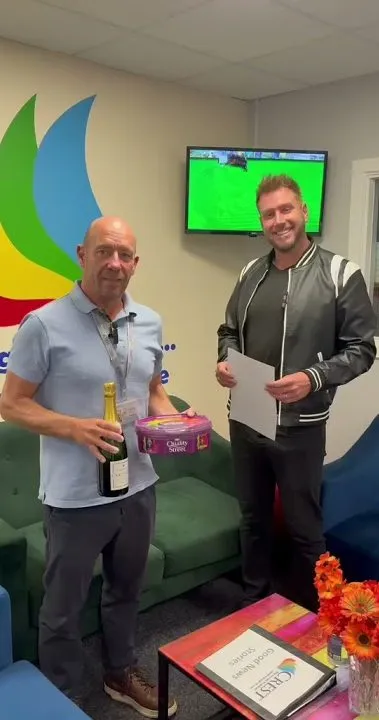
Charity, Llandudno Junction
Crest Community Centre: from 37p to 18p per kWh
A 50 kWp system. £4,739 saved in year one, and the savings help fund the centre's food bank and community radio.
Read the case studyFarm shop, Buckley
56.7 kWLesters Farm Shop, open and trading throughout
- 126 panels at 17p per kWh
- Two 22 kW EV chargers at no cost
- £2,624 saved a year
Keep reading
More guides before you enquire
Where we work
Commercial solar across North Wales and the borders
Based in Colwyn Bay, working across North Wales, Mid Wales, Cheshire, the Wirral, Merseyside and Shropshire. Further afield, our funding partner has approved installers across Great Britain.
Find out if your supply and your roof are ready
Send your postcode and a recent bill. We check your roof on a map and tell you quickly. Or see a real proposal first, and read how a solar PPA works.