
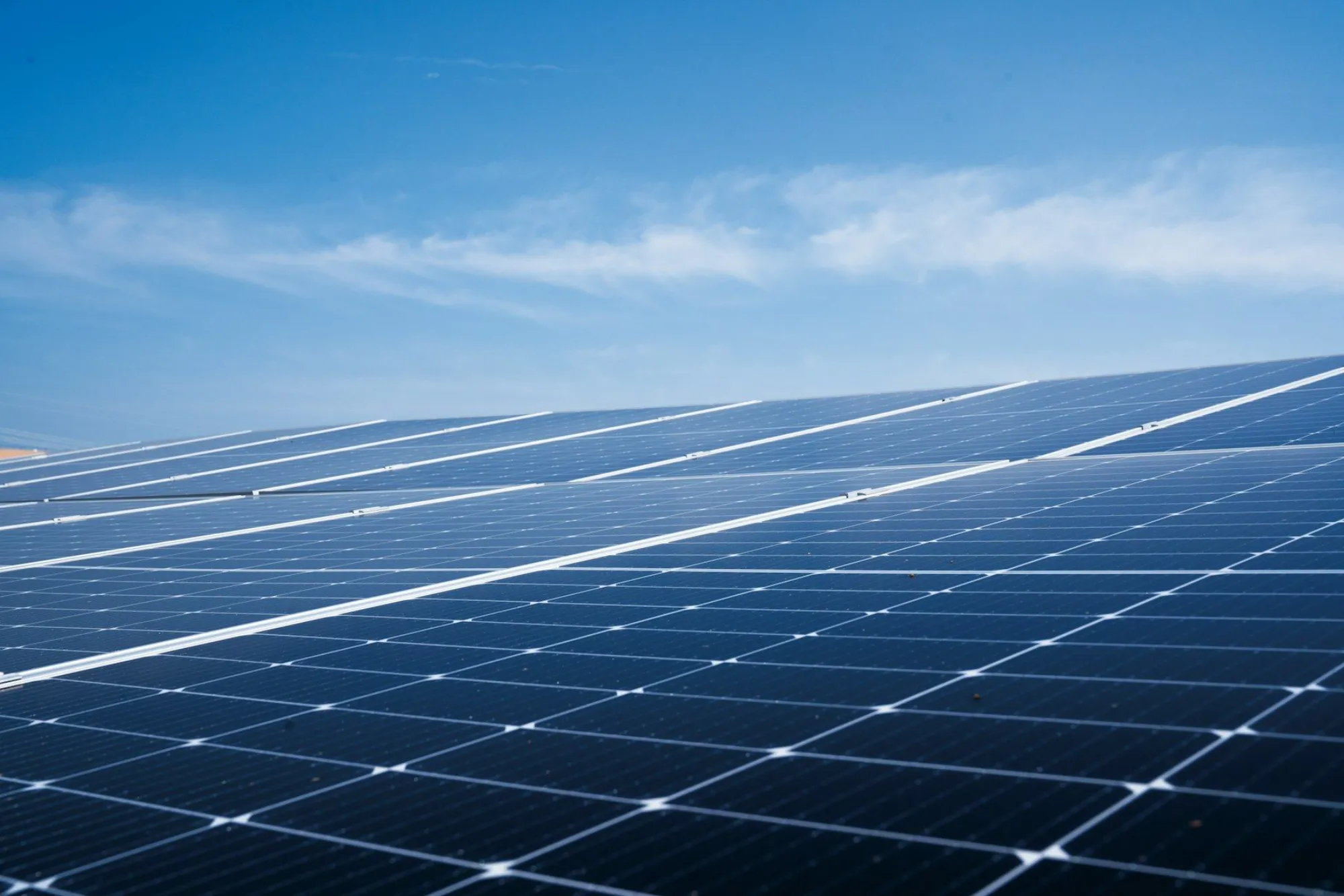
Fully funded commercial solar, serving Bangor & Gwynedd
Commercial Solar Panels in Bangor, Caernarfon & Gwynedd
Commercial solar panels in Caernarfon, Bangor and across Gwynedd, paid for by our funding partner under a PPA (power purchase agreement). You pay nothing up front, then a set price for each kWh (unit of electricity) the roof makes, fixed for 15 years, and we start with just a postcode and a recent bill.
Nothing to pay up front, not even a deposit. Fixed for 15 years.
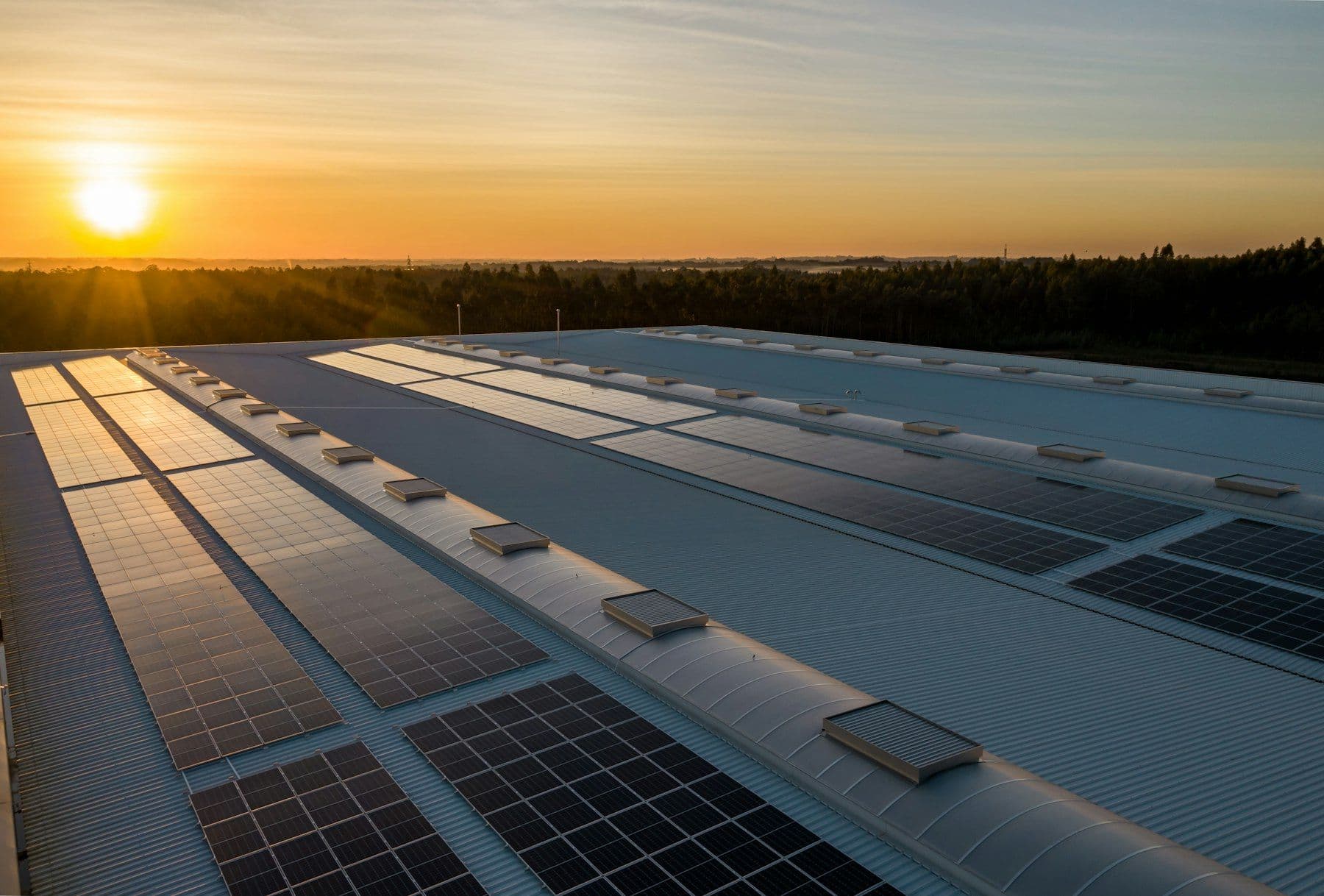
“It hasn't cost me a single penny to have it all installed.”
£0 up front
Our funding partner pays for the system. Not even a deposit
Fixed for 15 years
Between 16p and 23p per kWh today, depending on the site (September 2026)
 NAPIT
Our installers are accredited
Our installation partners are MCS registered, and RECC and NAPIT accredited
One person to call
Dave handles the funder, the installer and the grid for you, first call to first bill
What we do
Commercial solar for sites across Bangor & Gwynedd
Solar PPA
Someone else pays for the panels. You buy the power they make at a low price, fixed for 15 years.
Find out more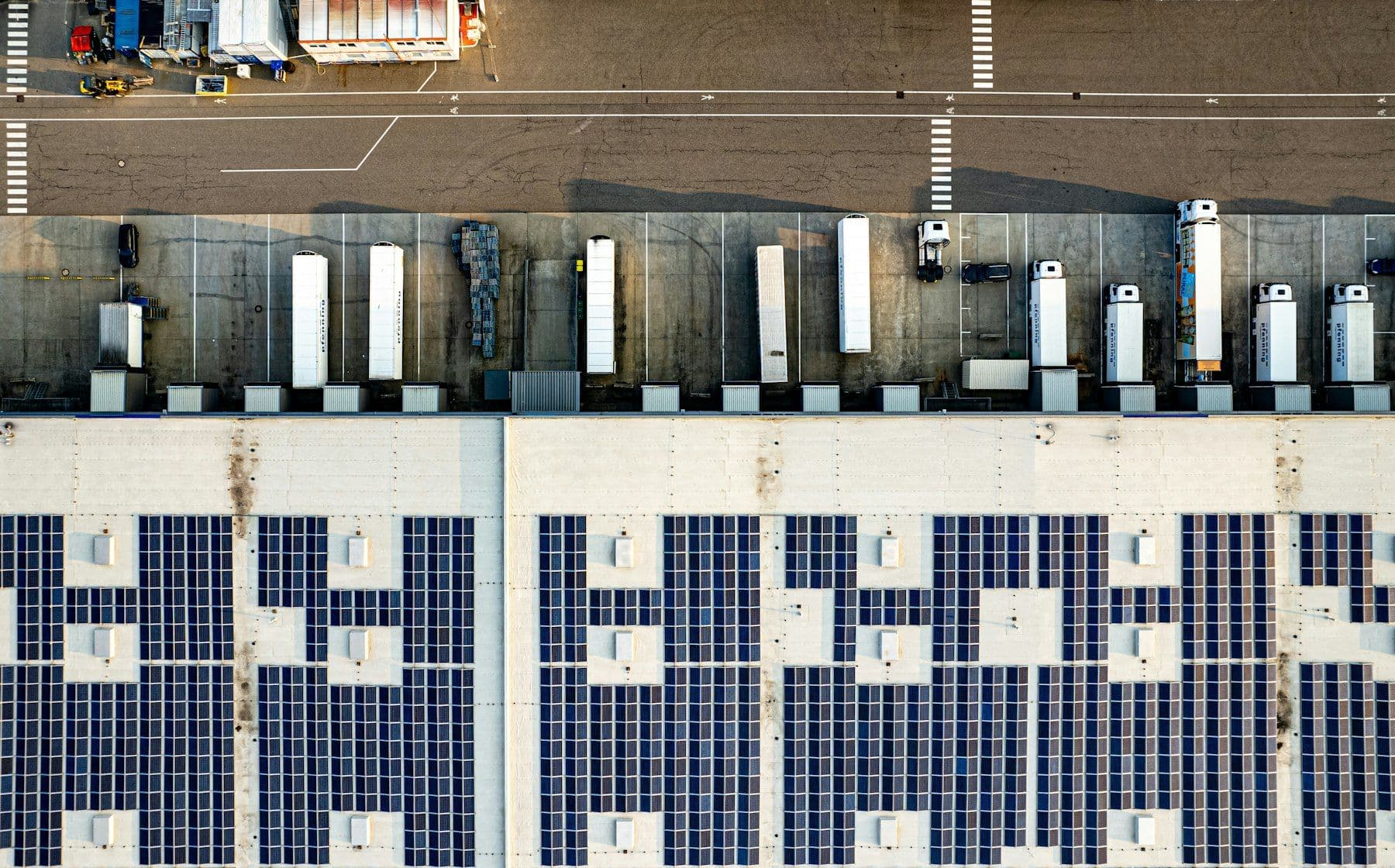
Solar for Business
Warehouses, shops, hotels, schools, care homes and charities. If you use power in the day, this is for you.
Find out more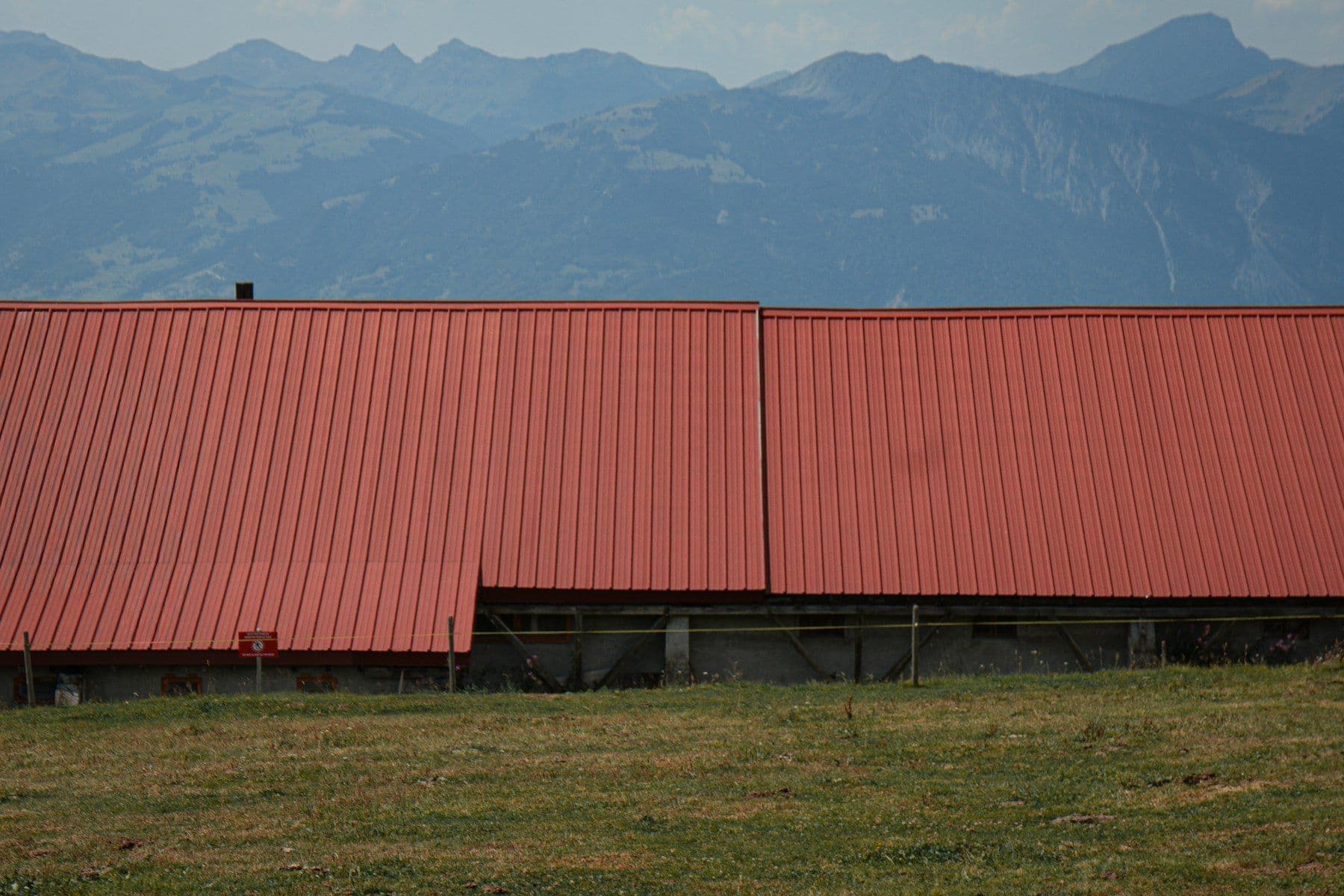
Solar for Farms
Barn roofs and big daytime loads, from milking to chilling. A battery too, where your usage justifies one.
Find out more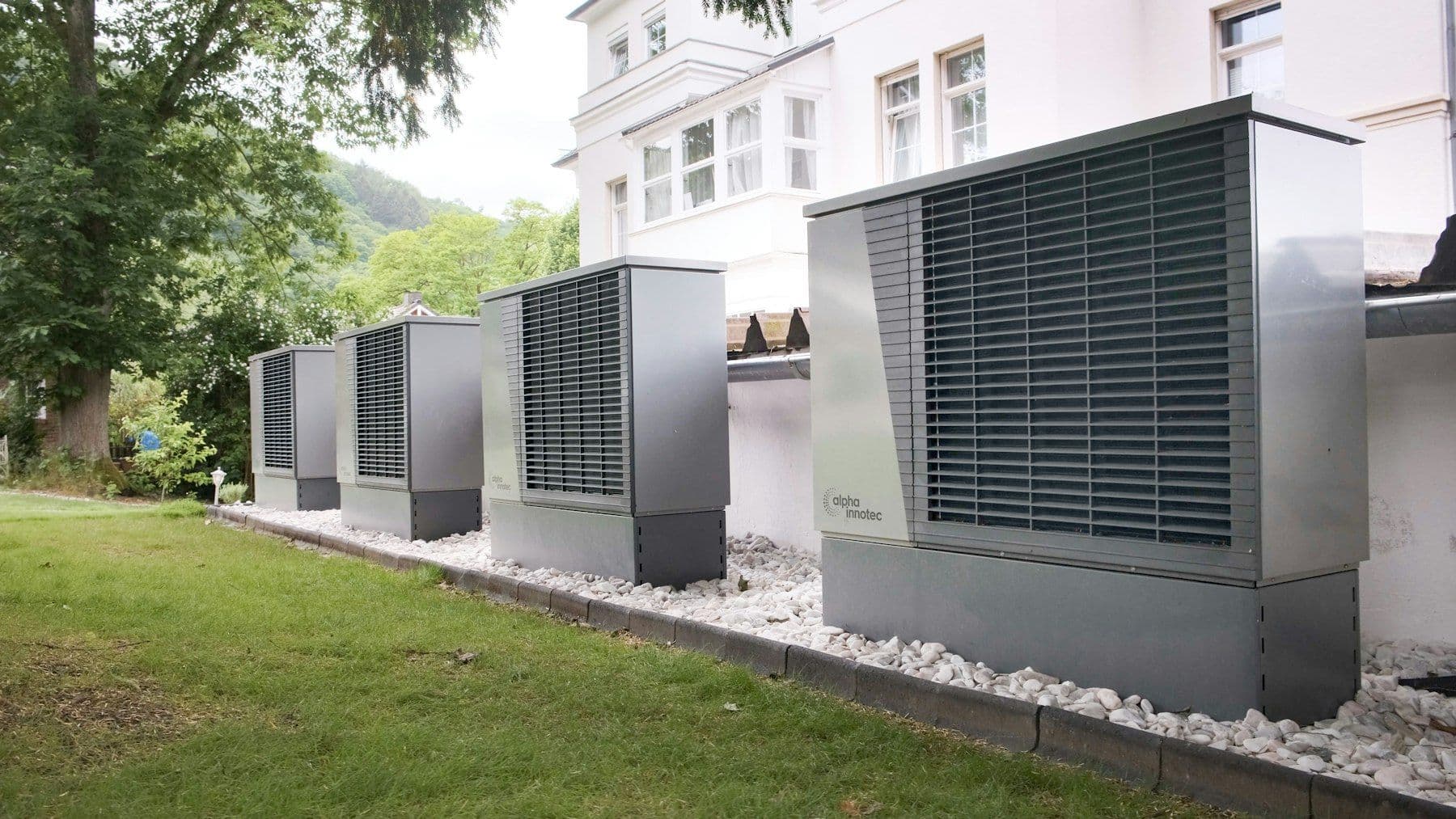
Commercial Battery Storage
Stores spare daytime power for later. We only add one if your half-hourly data shows it is worth it.
Find out more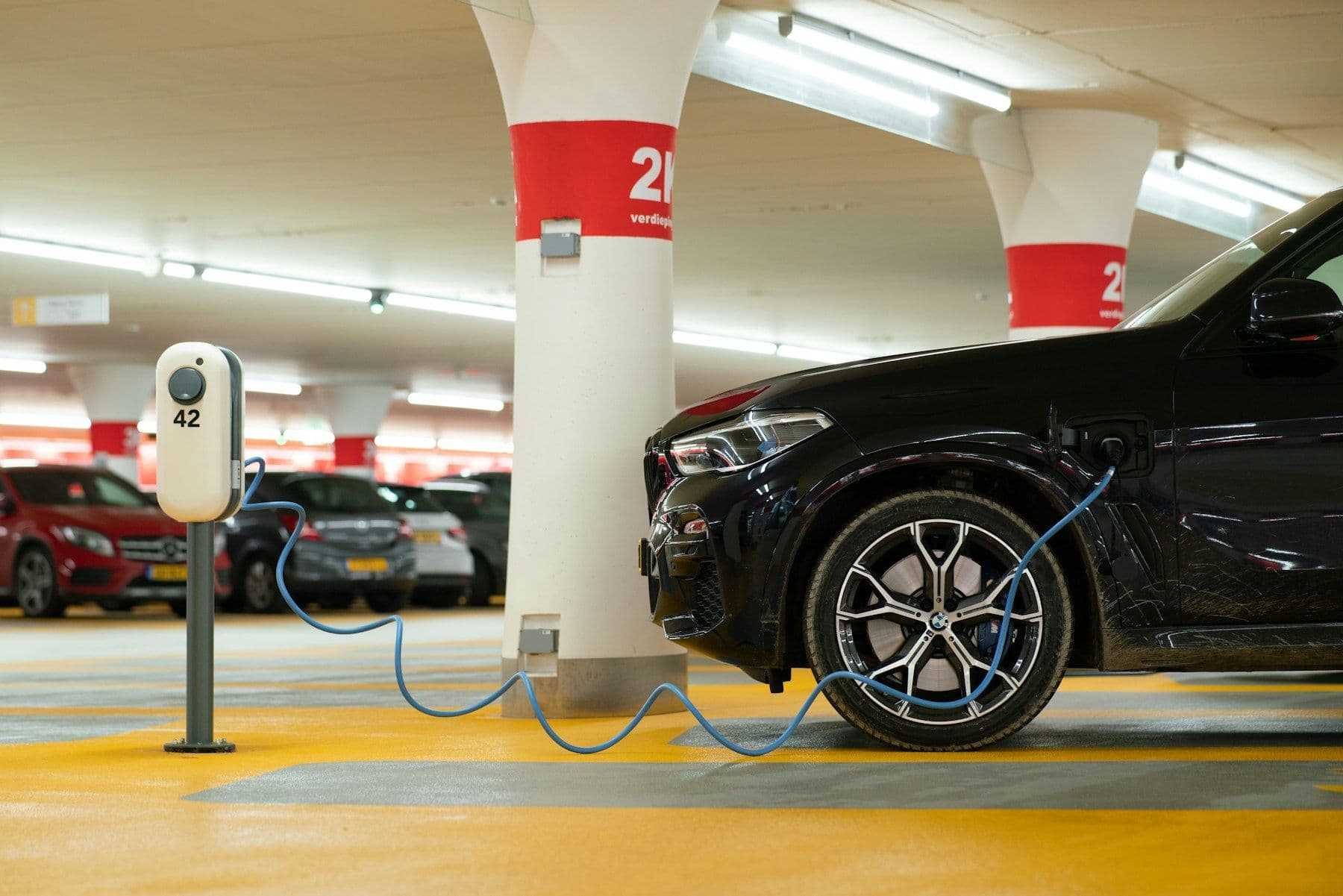
Commercial EV Charging
Two chargers at no cost where you have a car park, subject to survey. You keep 50% of the revenue.
Find out more
Who you'll be dealing with
Meet Dave Williams, your one point of contact
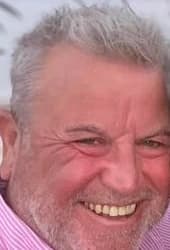
I'm Dave. I was born and raised in North Wales. I spent 15 years in retail management, went into solar in 2021, and studied commercial PPAs for about two years before I started Bay Bright Solar in late 2025.
I sit between the funder, the kit supplier, the installer and the grid operator, and I handle all of it for you, across Bangor & Gwynedd and the places around it. That's 11 funded projects so far, six of them in North Wales. I only get paid when your system is switched on, so I want it to work.
Integrity is everything to me, so we're totally transparent.
More about Dave and Bay BrightIn their own words
They thought it was too good to be true as well
“I was pretty sceptical initially because you never get anything for free in this life. But once Dave broke down the detail and explained to me how it would benefit Crest as an organisation, it became quickly to me a bit of a no-brainer.”
“It hasn't cost me a single penny to have it all installed.”
- System size (peak output)
- 50 kWp
- Power it makes each year
- 36,290 kWh
- Fixed price for 15 years
- 18p per kWh (was 37p)
- Saving in year one
- £4,739
- Saving over 15 years
- £131,796
The 15-year figure assumes grid prices rise 5% a year. Your proposal works out your own figures, never a promise.
Free, in writing, no obligation
Your proposal, worked out from your own bills
You shouldn't have to take our word for it. So the numbers come first, in writing, with no obligation. This is what Crest Community Centre's looked like. Yours comes back in up to 5 working days.
- The system designed for your siteSized to your real usage by the funder's design team, with how much power it should make each year.
- Your fixed price per kWhSet from your usage data. Between 16p and 23p today, and fixed for 15 years.
- Your savingsIn year one and over 15 years, worked out from your own bills. Illustrative, never a promise.
- Your buy-out price for every yearPrinted in full, falling each year to £1 at year 15. So you can see your way out before you sign.
What it costs in Bangor & Gwynedd
Nothing up front, then a low price that never moves
To have it designed, fitted and connected
Our funding partner pays for all of it. Not even a deposit.
Per kWh for the solar you use, fixed for 15 years
Depends on your site (September 2026). Everything else stays with your normal supplier.
The 16p to 23p range is the same in Gwynedd as anywhere, and the rate for your site is set from your own usage data. In this county, a hill farm on a long supply line or a seasonal business that shuts in winter will each get a different design from a school open all year. You pay nothing for the DNO application or for anything else up front. See how a PPA works and what commercial solar costs to buy.
What you pay per kWh for the solar you use
- PPA price: 16p to 23p, fixed for 15 years
- What our case-study customers were paying: about 23p to 53p
PPA prices as of September 2026, and your rate depends on your site. Savings are illustrative, never promised. Your proposal works out your own.
Check your eligibilityFree, no obligation, about two minutesThe honest comparison
A solar PPA or buying outright: how they compare
Buying can be the better deal if you have the cash and want to manage it yourself. A PPA suits a site that would rather keep its money and hand over the work.
| What to compare | Solar PPA with Bay Bright | Buying outright |
|---|---|---|
| Cost up front | £0, not even a deposit | The full cost. Crest's 50 kWp system is valued at £42,741 |
| What you pay for power | A fixed price per kWh for 15 years | Nothing per kWh once it's paid for, which is the big win of buying |
| Repairs, checks and cleaning | Covered for the full term at no cost | Yours to arrange and pay for |
| If it makes less power | You pay less, because you only pay for what you use | You have paid for the system either way |
| Who owns it | The funder, until you buy it out. £1 at year 15 | You, from day one |
| The grid application | We do the forms and pay the fee | Usually part of your installer's price |
It sounds too good to be true
The elephant in the room: what is the catch?

What is the catch?
Here is how the money works
Our funding partner earns in two ways. You buy the solar power you use at the fixed price, and any spare power is sold to the grid. Over 15 years that pays back the system, and a bit more. The funder gets a long, steady return. You get cheaper power and pay nothing to start.

Who is the funder, and do they get my roof?
A UK company that rents the roof space, nothing more
Our funding partner is a UK company. Its projects are paid for by a UK bank, and the systems are insured. You meet them on your proposal call. They only rent the space on your roof (a roof lease). They never own your roof or your building. They also run a soft credit check on the business, which leaves no mark on your file. We tell you that up front.
What if it makes less power than you said, or breaks?
You only pay for the solar you use
Your proposal states how much power the system should make. The funder only earns when it generates, so it has every reason to keep it working. If it makes less, you pay less. It is watched from a central screen, and if something stops, it gets fixed at no cost. While that happens, your building just uses the grid.
Am I locked in for 15 years?
You can buy it at any time, from a printed list
Your proposal prints the buy-out price for every year, and it falls each year. Crest's starts at £42,741, is £28,487 at year 5, £14,233 at year 10 and £1 at year 15. If you sell the building, the deal can pass to the new owner at the same price, or you can buy it out.
How it works
From first call to switch-on, in about five to six weeks
Before you decide anything
- 1
Tell us about your site
A few quick questions, about two minutes. Or just call. Dave calls back within 24 hours.
- 2
We check your roof and bills
A desktop survey from satellite images, plus the 12 months of usage data you send over.
- 3
Your proposal, on a video call
The funder's design team builds it in up to 5 working days. We go through it with you, and the funder joins so you can ask them anything.
- 4
Paperwork that doesn't bind you
Three first papers let us apply to the grid for you. They are not binding and stay open for 10 working days.
Once you've said yes
- 5
Site survey and grid approval (DNO)
A full survey on site. Then we apply to the grid operator and pay the fee. SP Energy Networks takes 2 to 3 weeks locally, and it can take up to 12 weeks where the operator is slower.
- 6
Fitted while you stay open
MCS-registered installers fit the system. Both our case-study customers stayed open throughout.
- 7
Switch-on and your first bill
The direct debit starts once the system is running. Dave comes back after a month to check your first bill with you.
Commercial solar in Bangor & Gwynedd
Commercial solar panels in Caernarfon and Gwynedd: public estates, hill farms and holiday trade
Gwynedd is a big county with a thin spread of big roofs. Commercial solar panels in Caernarfon, Bangor or Pwllheli work the way they do anywhere else in our patch, but the sites that suit are not the sheds of an industrial estate. Here they are more often a farm building up a long lane, a hotel or holiday park with a car park, a chapel hall, or a unit on a business park.
Gwynedd Council's own economic papers describe a narrow industry base. The public sector employs more than a third of workers, and tourism supported about 18,000 jobs in 2019. That shapes who a PPA suits here. Schools, care homes, charities, hotels and campsites are all common, and most of them use power mainly in daylight, which is when panels make it.
To qualify, a site needs a three-phase supply. That is the heavier connection with three live wires, common on farms and larger buildings, where a small shop often has single-phase. It also needs room for a system of at least 20 kW (a measure of the panels' peak output), which is about 45 to 50 panels. And it needs 12 months of usage data, so the design is built around what you really use in the day. Single-phase caps a system at roughly 15 to 17 kW, below our minimum.
We are based in Colwyn Bay, so Gwynedd is part of our home patch, but we have no office here. One person looks after your enquiry from the first call to the first bill, and the first consultation is face to face or on Zoom, whichever suits a working day on a farm or behind a counter.
What matters in Bangor & Gwynedd
Five things that shape commercial solar in Gwynedd
Park boundaries, heritage listings and long rural power lines matter more here than the panels do.
Planning inside Eryri National Park
The Eryri National Park Authority, not Gwynedd Council, decides planning applications inside the park. Dolgellau and Bala are inside it. Blaenau Ffestiniog is left out as an enclave in the middle, and Bangor, Bethesda, Barmouth and Porthmadog sit outside. Llanberis is the one to check by address. Panels on an existing roof are the lighter ask. A ground-mounted array in open country faces a tougher landscape test, so a farm's buildings are usually the better first idea.
The slate landscape is a World Heritage Site
In 2021 UNESCO listed the Slate Landscape of Northwest Wales, in six parts: Penrhyn, Dinorwig, the Nantlle Valley, Gorseddau and Prince of Wales, Ffestiniog, and Bryneglwys with Abergynolwyn. Old quarry buildings and workshops inside those areas are heritage assets. A modern shed or retail unit nearby is a different matter. If your roof is old or near a quarry, say so on the first call.
Long rural lines and the grid check
Before anything is fitted, the DNO (distribution network operator, the company that runs the local power lines) checks that the local transformer can take any spare power we send back. On a hill farm at the end of a long line, that check matters most. SP Energy Networks is the DNO for North Wales and locally we see 2 to 3 weeks for approval. A proposal can say up to 8 weeks. We cover the application cost, normally £500 to £1,000.
Seasonal trade and salt air
Holiday parks, campsites, activity centres and hotels along the Llŷn and Meirionnydd coast fill up in summer, just when panels make the most. A site that shuts for winter simply shows in the 12 months of usage data, and the system is sized to match. Coastal roofs also take salt and wind, so ask the design team what the mounting is rated for when you meet them on your proposal call.
Who owns the building
Schools, community halls, chapels and units on business parks are often owned by someone else: a council, a trust or a landlord. We need the owner to agree, and to sign a roof lease (the funder leases the roof space and never owns the roof or the building). The owner gains too, because on-site solar lifts the building's EPC (Energy Performance Certificate) rating.
Where we work
Gwynedd towns we cover, and what to expect in each
Nine towns, from the Menai Strait to the Mawddach estuary. Here is the commercial picture in each and the first thing to check.
Bangor
A university city with a large hospital on its edge, plus Parc Menai about four miles to the south-west at the A55 and A487 junction and the long-planned Parc Bryn Cegin at Llandygai. Big public estates run their own buying rules, so they take longer. Units on the business parks are mostly rented, which means the landlord must agree.
Caernarfon
The council town, with units to let on Cibyn Industrial Estate and a castle that draws visitors through the summer. Outside the national park, so planning sits with Gwynedd Council. Ask your landlord first if your unit is rented.
Porthmadog
A harbour town on the doorstep of the park but outside its boundary. Boatyards, shops, railways and visitor businesses make up most of the trade, so daytime summer use is the pattern to look for in your bills.
Pwllheli
Glan y Don Industrial Estate sits beside the marina and listings for its units mention three-phase power. Gromlech Business Park, a few miles away at Y Ffor, has newer units. A Llŷn coast address means salt and wind, so the mounting needs a close look.
Dolgellau
Inside Eryri National Park, so the park authority handles planning. A market town for the hill farms of Meirionnydd, where a livestock auction runs and sheds are often tucked well off the road. Three-phase is the first question for any farm here.
Bethesda
Under Penrhyn Quarry, one of the six parts of the World Heritage Site, with a visitor attraction on the quarry floor. The village is outside the park but the heritage setting still matters, so check whether a building is listed before choosing a roof.
Llanberis
Below Snowdon, with a slate museum in the old Dinorwig workshops and a pumped-storage power station inside the mountain. Visitor trade is steady, the park boundary is close, and heritage rules are strong. Check your exact address with the authority.
Blaenau Ffestiniog
Left out of the national park but full of slate-quarry history, and part of the heritage landscape. Steep streets and old stone buildings make roof access harder. The visitor attractions in the old quarries use power in the day and are the larger sites.
Barmouth
A seaside town on the Mawddach estuary, outside the national park. Guest houses, arcades and holiday parks mean a strong summer load. Winter is quiet, which the usage data will show, and the sea air is hard on cheap fixings.
Bangor & Gwynedd questions
Commercial solar in Bangor & Gwynedd: what people ask
What do commercial solar panels in Caernarfon cost a business?
Nothing up front, not even a deposit. Our funding partner pays for the panels, inverter (the box that turns panel power into usable electricity), mounting, scaffold, labour and grid connection. You then pay 16p to 23p for each kWh of solar you use, fixed for 15 years. The exact rate comes with your proposal.
Do you have an office in Gwynedd?
No. We are based in Colwyn Bay, and Gwynedd is part of our main working area. The first consultation is face to face or on Zoom, and the fitting is done by MCS-registered installation partners. One person stays your point of contact throughout.
Can a site inside Eryri National Park use a PPA?
It can, but planning is handled by the Eryri National Park Authority and not by Gwynedd Council. Panels on an existing building are usually the simpler route. A ground-mounted array in open country faces a stricter landscape test. Send us your postcode and we can say which authority you would need to ask.
My hill farm near Dolgellau has a single-phase supply. Is that a problem?
It can be. A single-phase supply limits a system to about 15 to 17 kW, which is under our 20 kW minimum. Many farms with big sheds have three-phase already, so look at your electricity bill or ask your supplier. If you are unsure, send us a postcode and a recent bill.
How long does grid approval take in Gwynedd?
Locally, SP Energy Networks has been taking 2 to 3 weeks. A proposal can allow up to 8 weeks, and the legal maximum is 12. From first call to a working system it is usually five to six weeks in North Wales. We make the application and pay for it.
We close for the winter. Does a PPA still work for us?
Often, yes. The 12 months of usage data show the quiet months, and the design team sizes the system to what you really use. If the panels make less than expected, you pay less. Nothing is guaranteed, and the proposal sets out the figures for your own site.
Can a school, chapel or community hall in Gwynedd get a PPA?
Yes, if it has a three-phase supply and room for 20 kW. Charities, churches and community centres are all on our list. Where a council or trust owns the building, the owner has to agree. Crest Community Centre in Llandudno Junction is a North Wales example with full figures on our case-study page.
Our unit on a Bangor business park is rented. Can we still do it?
With the landlord on board, yes. They sign the roof lease, and they benefit from a better EPC rating on the building. If you move, the contract can pass to the new occupier at the same rate, or be bought out from a printed schedule.
Can you add a battery or EV chargers at a Gwynedd site?
A battery is added only when your usage justifies it, and that is decided at the site survey. Where there is a car park, we can fit two 22 kW chargers at no cost, subject to survey, and you keep 50% of the charging revenue. A hotel or visitor attraction is the typical fit.
Find out if your Bangor & Gwynedd site qualifies
Send your postcode and a recent bill. We check your roof on a map and tell you quickly. It costs nothing, and nothing you sign at the start ties you in.