
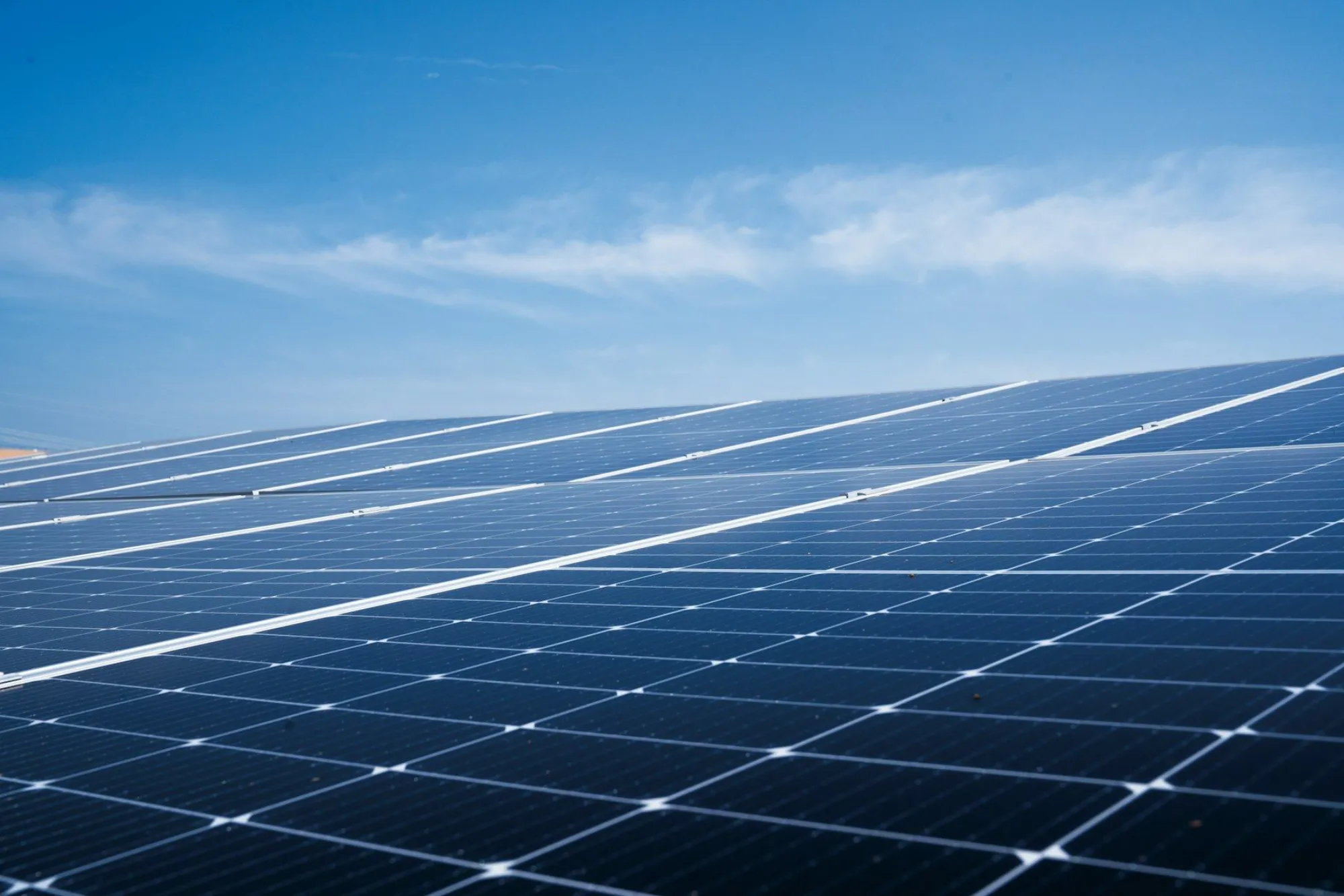
Fully funded commercial solar, serving Conwy & Llandudno
Commercial Solar Panels in Conwy & Llandudno
We are based in Colwyn Bay, and our funding partner pays for the whole system, so you pay nothing to have it fitted. Hotels in Llandudno, units at Llandudno Junction and farms up the Conwy Valley are all within reach.
Nothing to pay up front, not even a deposit. Fixed for 15 years.
“It hasn't cost me a single penny to have it all installed.”
£0 up front
Our funding partner pays for the system. Not even a deposit
Fixed for 15 years
Between 16p and 23p per kWh today, depending on the site (September 2026)
 NAPIT
Our installers are accredited
Our installation partners are MCS registered, and RECC and NAPIT accredited
One person to call
Dave handles the funder, the installer and the grid for you, first call to first bill
What we do
Commercial solar for sites across Conwy & Llandudno
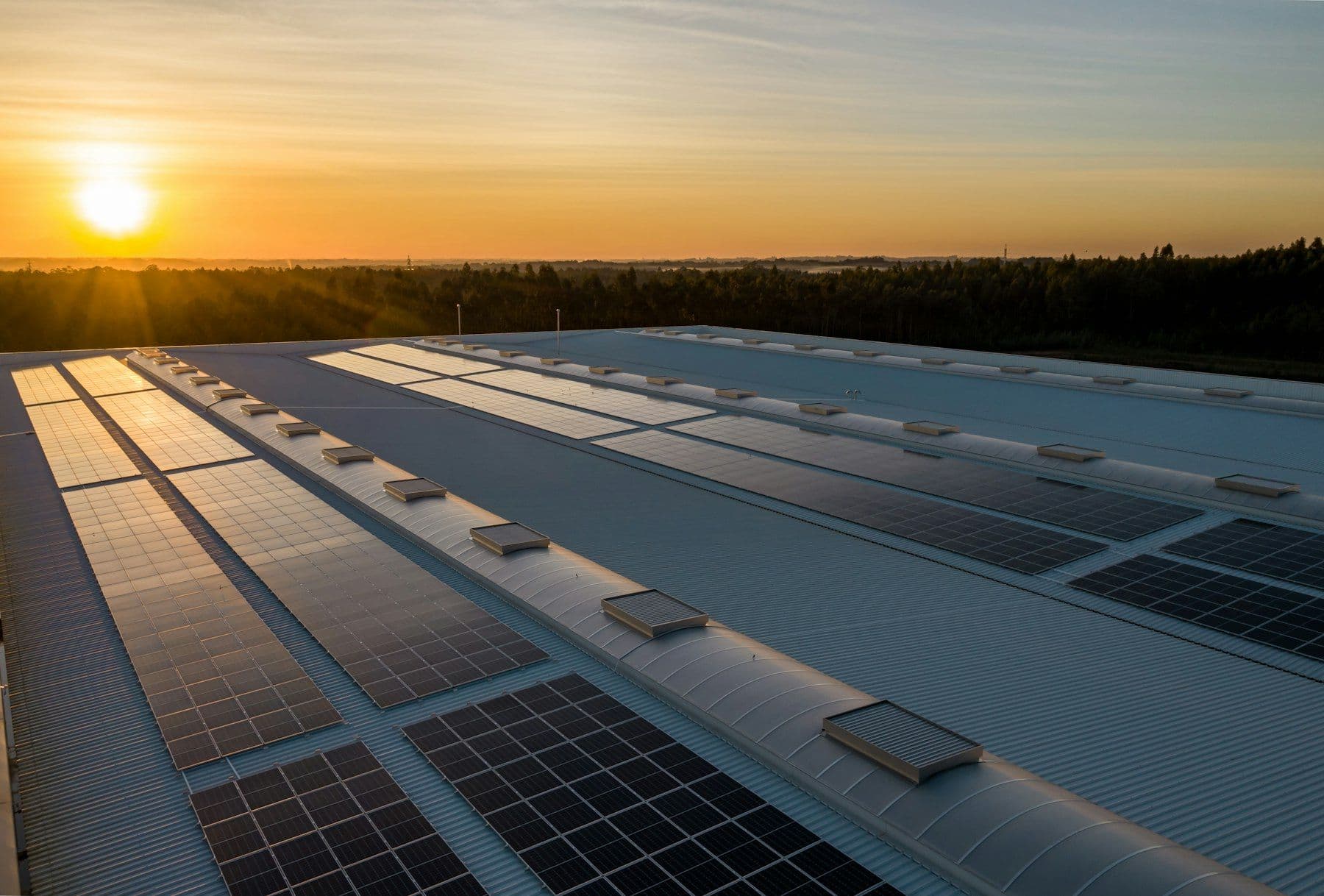
Solar PPA
Someone else pays for the panels. You buy the power they make at a low price, fixed for 15 years.
Find out more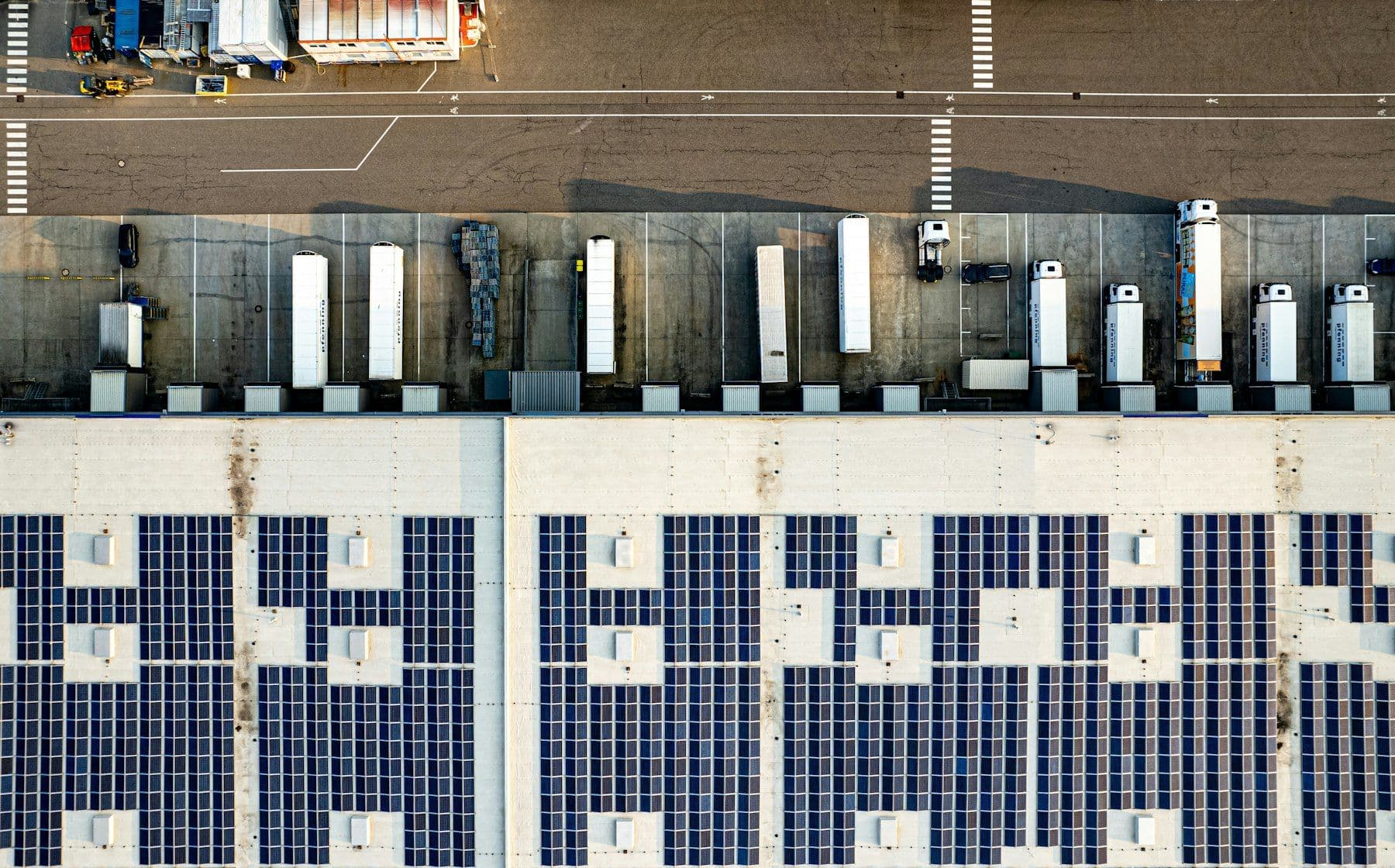
Solar for Business
Warehouses, shops, hotels, schools, care homes and charities. If you use power in the day, this is for you.
Find out more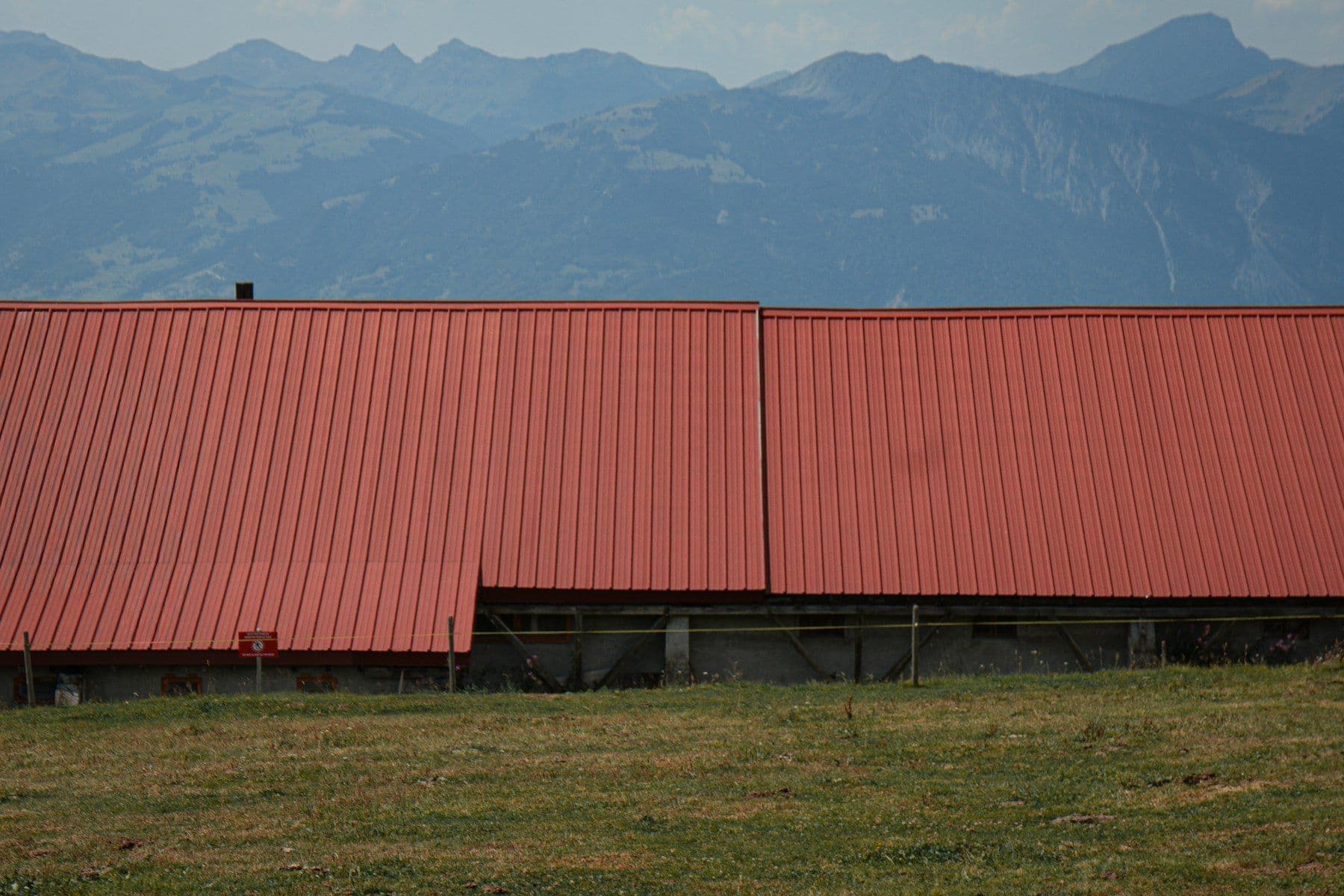
Solar for Farms
Barn roofs and big daytime loads, from milking to chilling. A battery too, where your usage justifies one.
Find out more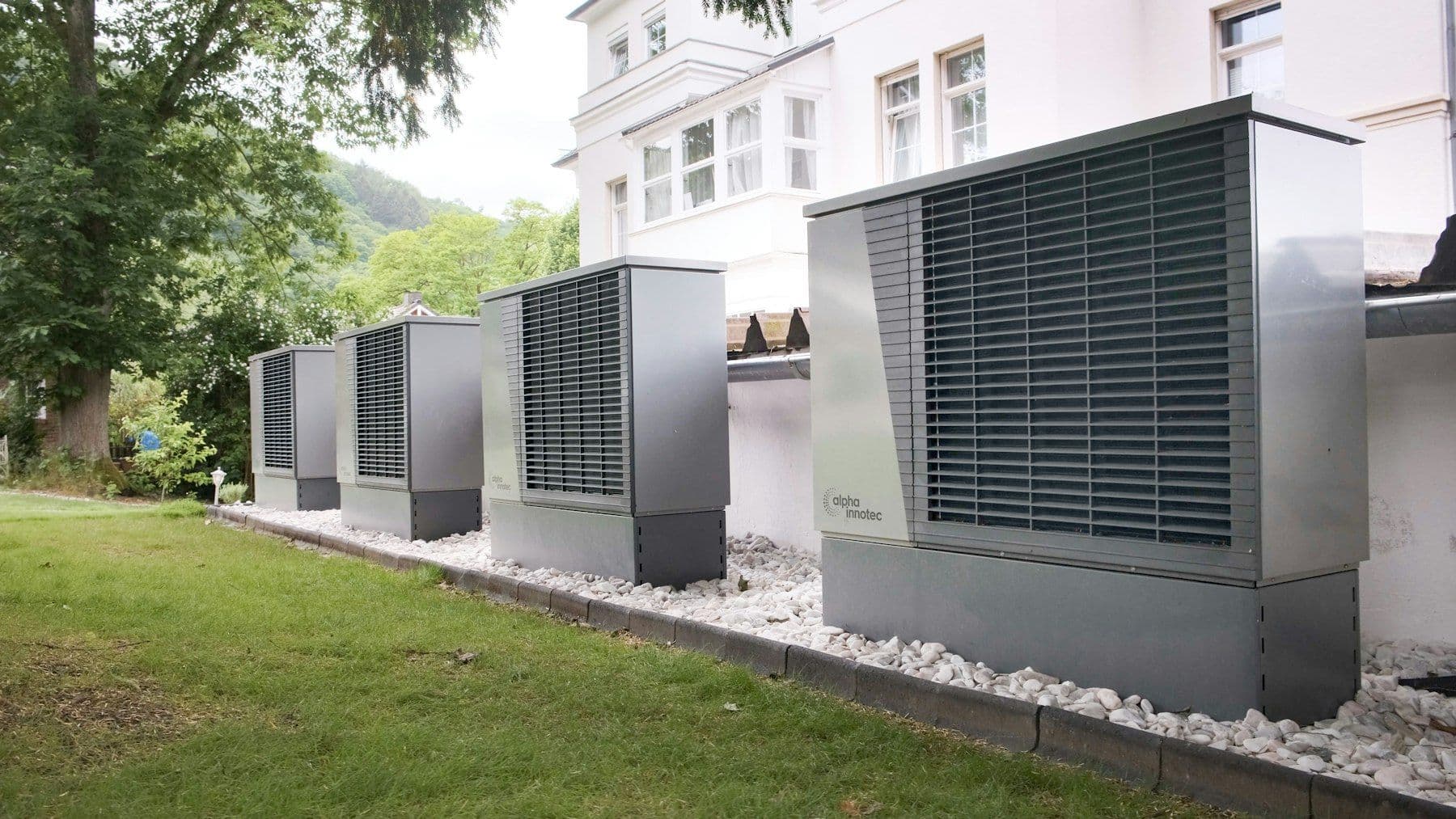
Commercial Battery Storage
Stores spare daytime power for later. We only add one if your half-hourly data shows it is worth it.
Find out more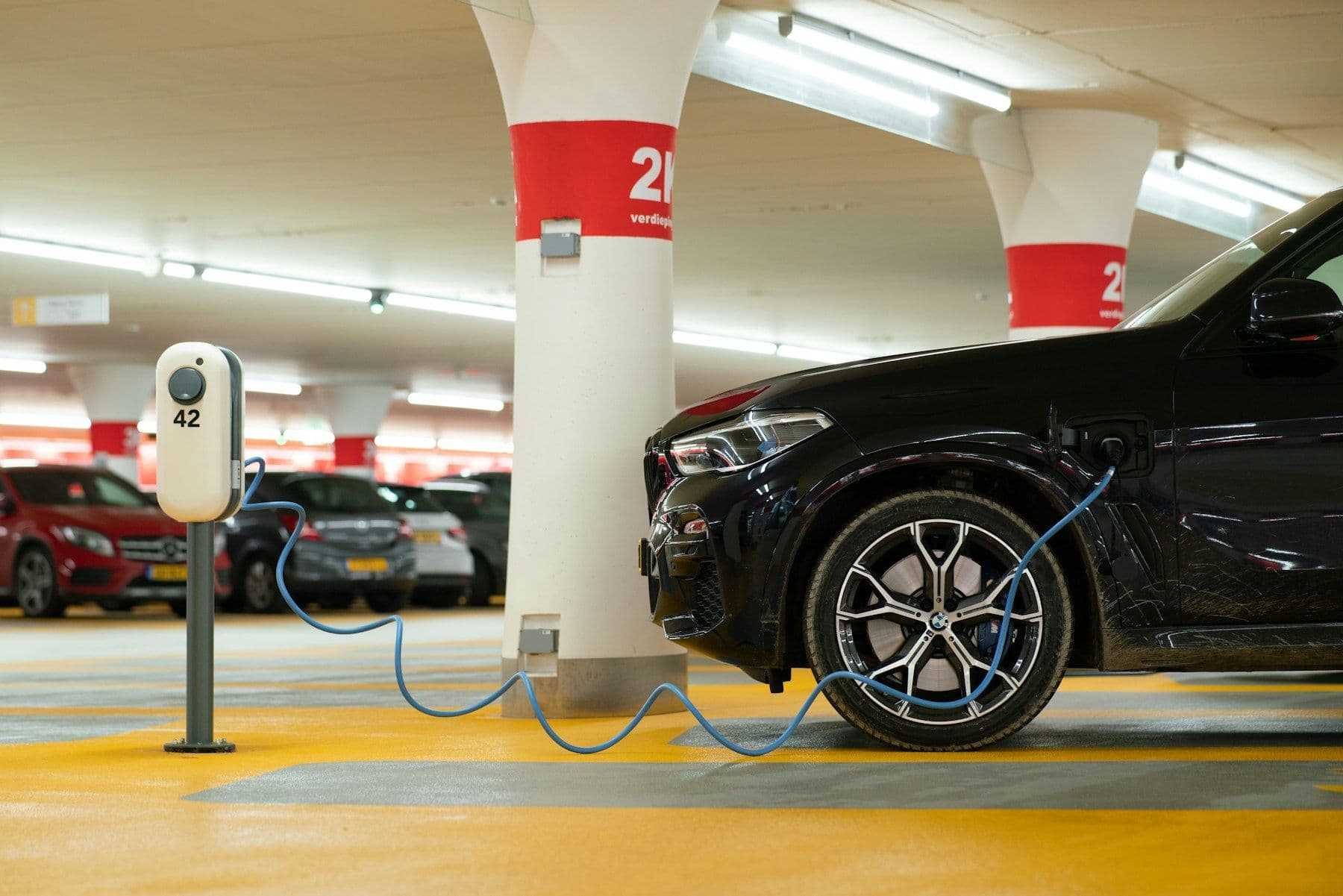
Commercial EV Charging
Two chargers at no cost where you have a car park, subject to survey. You keep 50% of the revenue.
Find out more
Who you'll be dealing with
Meet Dave Williams, your one point of contact
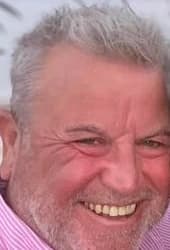
I'm Dave. I was born and raised in North Wales. I spent 15 years in retail management, went into solar in 2021, and studied commercial PPAs for about two years before I started Bay Bright Solar in late 2025.
I sit between the funder, the kit supplier, the installer and the grid operator, and I handle all of it for you, across Conwy & Llandudno and the places around it. That's 11 funded projects so far, six of them in North Wales. I only get paid when your system is switched on, so I want it to work.
Integrity is everything to me, so we're totally transparent.
More about Dave and Bay BrightIn their own words
They thought it was too good to be true as well
“I was pretty sceptical initially because you never get anything for free in this life. But once Dave broke down the detail and explained to me how it would benefit Crest as an organisation, it became quickly to me a bit of a no-brainer.”
“We didn't even know they were there half the time. There was minimal disruption. They were clean, polite, professional.”
“The job was done excellently and in good time.”
“With that saving, most importantly for us, we can give back to the community.”
- System size (peak output)
- 50 kWp
- Power it makes each year
- 36,290 kWh
- Fixed price for 15 years
- 18p per kWh (was 37p)
- Saving in year one
- £4,739
- Saving over 15 years
- £131,796
The 15-year figure assumes grid prices rise 5% a year. Your proposal works out your own figures, never a promise.
Free, in writing, no obligation
Your proposal, worked out from your own bills
You shouldn't have to take our word for it. So the numbers come first, in writing, with no obligation. This is what Crest Community Centre's looked like. Yours comes back in up to 5 working days.
- The system designed for your siteSized to your real usage by the funder's design team, with how much power it should make each year.
- Your fixed price per kWhSet from your usage data. Between 16p and 23p today, and fixed for 15 years.
- Your savingsIn year one and over 15 years, worked out from your own bills. Illustrative, never a promise.
- Your buy-out price for every yearPrinted in full, falling each year to £1 at year 15. So you can see your way out before you sign.
What it costs in Conwy & Llandudno
Nothing up front, then a low price that never moves
To have it designed, fitted and connected
Our funding partner pays for all of it. Not even a deposit.
Per kWh for the solar you use, fixed for 15 years
Depends on your site (September 2026). Everything else stays with your normal supplier.
What you pay depends on what you use and when you use it. A hotel running all day takes more from the roof than a venue open at night, and that changes the size we design. A coastal site that needs tougher mounting, or a farm that adds a battery, shifts the rate within the 16p to 23p range. Crest’s move from 37p to 18p is our nearest worked example, and your proposal shows your own figures. See how a PPA works and what commercial solar costs to buy.
What you pay per kWh for the solar you use
- PPA price: 16p to 23p, fixed for 15 years
- What our case-study customers were paying: about 23p to 53p
PPA prices as of September 2026, and your rate depends on your site. Savings are illustrative, never promised. Your proposal works out your own.
Check your eligibilityFree, no obligation, about two minutesThe honest comparison
A solar PPA or buying outright: how they compare
Buying can be the better deal if you have the cash and want to manage it yourself. A PPA suits a site that would rather keep its money and hand over the work.
| What to compare | Solar PPA with Bay Bright | Buying outright |
|---|---|---|
| Cost up front | £0, not even a deposit | The full cost. Crest's 50 kWp system is valued at £42,741 |
| What you pay for power | A fixed price per kWh for 15 years | Nothing per kWh once it's paid for, which is the big win of buying |
| Repairs, checks and cleaning | Covered for the full term at no cost | Yours to arrange and pay for |
| If it makes less power | You pay less, because you only pay for what you use | You have paid for the system either way |
| Who owns it | The funder, until you buy it out. £1 at year 15 | You, from day one |
| The grid application | We do the forms and pay the fee | Usually part of your installer's price |
It sounds too good to be true
The elephant in the room: what is the catch?

What is the catch?
Here is how the money works
Our funding partner earns in two ways. You buy the solar power you use at the fixed price, and any spare power is sold to the grid. Over 15 years that pays back the system, and a bit more. The funder gets a long, steady return. You get cheaper power and pay nothing to start.

Who is the funder, and do they get my roof?
A UK company that rents the roof space, nothing more
Our funding partner is a UK company. Its projects are paid for by a UK bank, and the systems are insured. You meet them on your proposal call. They only rent the space on your roof (a roof lease). They never own your roof or your building. They also run a soft credit check on the business, which leaves no mark on your file. We tell you that up front.
What if it makes less power than you said, or breaks?
You only pay for the solar you use
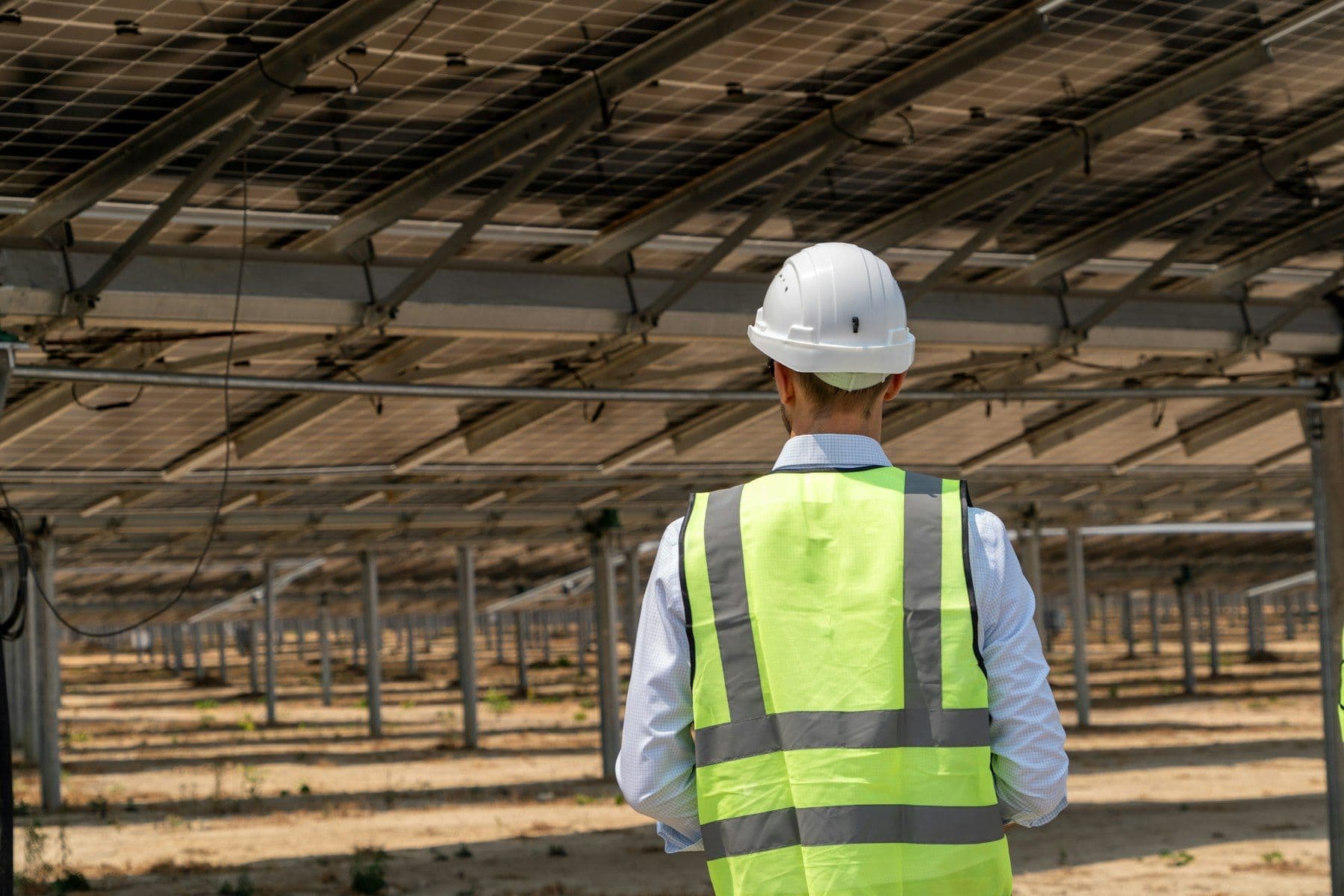
Your proposal states how much power the system should make. The funder only earns when it generates, so it has every reason to keep it working. If it makes less, you pay less. It is watched from a central screen, and if something stops, it gets fixed at no cost. While that happens, your building just uses the grid.
Am I locked in for 15 years?
You can buy it at any time, from a printed list
Your proposal prints the buy-out price for every year, and it falls each year. Crest's starts at £42,741, is £28,487 at year 5, £14,233 at year 10 and £1 at year 15. If you sell the building, the deal can pass to the new owner at the same price, or you can buy it out.
How it works
From first call to switch-on, in about five to six weeks
Before you decide anything
- 1
Tell us about your site
A few quick questions, about two minutes. Or just call. Dave calls back within 24 hours.
- 2
We check your roof and bills
A desktop survey from satellite images, plus the 12 months of usage data you send over.
- 3
Your proposal, on a video call
The funder's design team builds it in up to 5 working days. We go through it with you, and the funder joins so you can ask them anything.
- 4
Paperwork that doesn't bind you
Three first papers let us apply to the grid for you. They are not binding and stay open for 10 working days.
Once you've said yes
- 5
Site survey and grid approval (DNO)
A full survey on site. Then we apply to the grid operator and pay the fee. SP Energy Networks takes 2 to 3 weeks locally, and it can take up to 12 weeks where the operator is slower.
- 6
Fitted while you stay open
MCS-registered installers fit the system. Both our case-study customers stayed open throughout.
- 7
Switch-on and your first bill
The direct debit starts once the system is running. Dave comes back after a month to check your first bill with you.
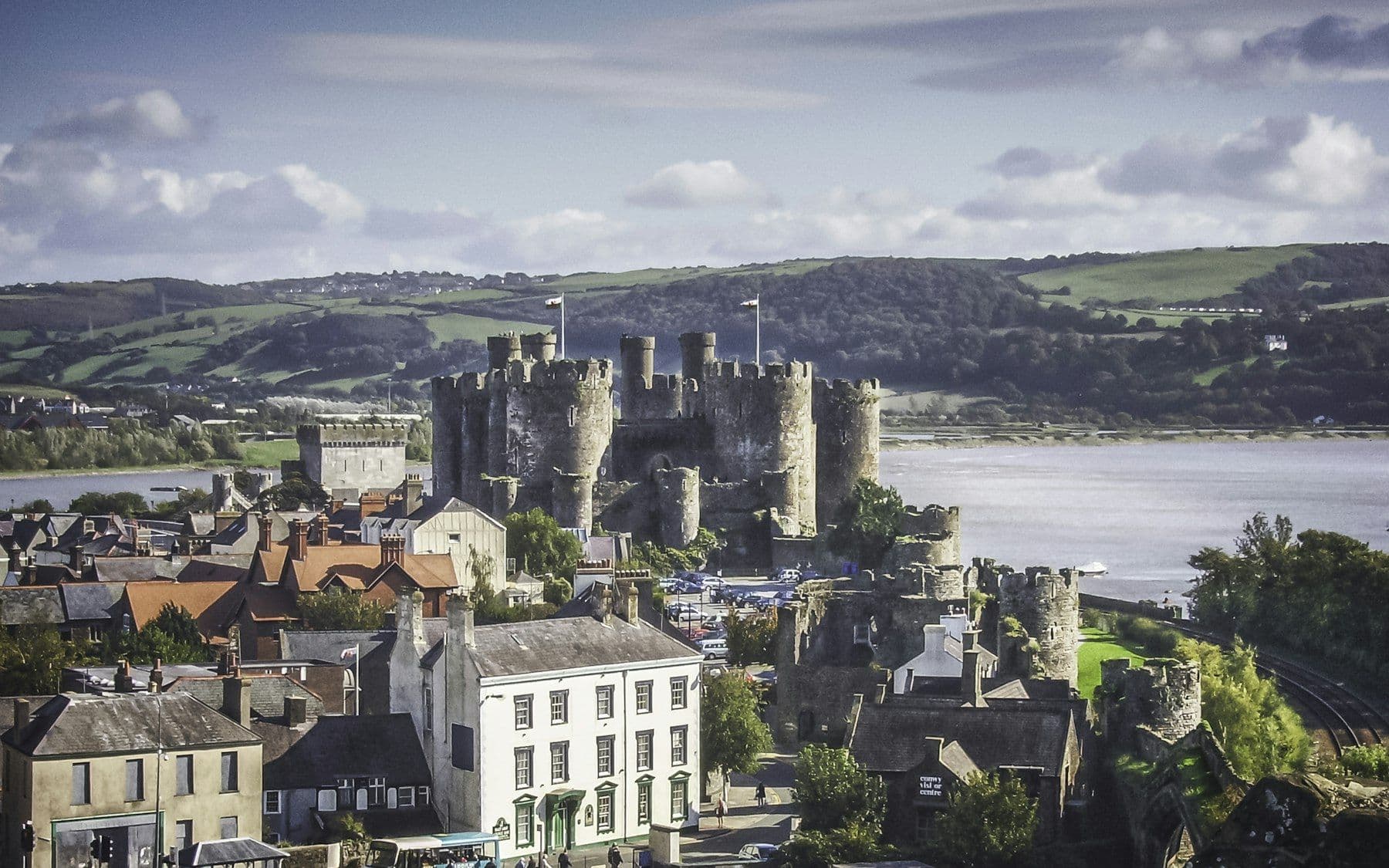
Commercial solar in Conwy & Llandudno
Commercial solar panels in Conwy: hotels on the front, estates along the A55
If you run a business, farm or charity in this county, commercial solar panels in Conwy can cost you nothing to fit. Our funding partner pays for the panels, the fitting and the grid connection. You then buy the power the roof makes, counted in kilowatt hours (kWh, the unit on your bill), at a price that stays fixed for 15 years. The agreement is called a power purchase agreement, or PPA. We work from Colwyn Bay, so this is the patch we know best.
The county lives on visitors. Council evidence puts tourism-related work at about a third of local jobs, well above the national share. That means hotels, guest accommodation, cafes, attractions and the businesses that supply them. It also means a trade that swings with the seasons, and panels swing the same way. Output peaks from June to August, just when a seafront hotel is at its fullest and its laundry and kitchens are running all day.
Behind the front, the working roofs are on the estates beside the A55. The council lists Morfa Business Park at Conwy, Mochdre Commerce Park near Colwyn Bay and a run of sites around Llandudno Junction as safeguarded employment land. Units like these tend to have long, plain roofs and a three-phase supply. That is the heavier electrical connection a system above roughly 15 to 17 kW needs, and a smaller single-phase supply cannot carry it.
One job here is already done. Crest Community Centre in Llandudno Junction runs a 50 kW system under this same arrangement, and the saving now goes toward its food bank and its volunteer-run community radio station. The figures are printed in full, and the first factor below links to them.
What matters in Conwy & Llandudno
Six things that shape commercial solar in Conwy
Mostly the season, the coast and the grid. The panels themselves are the simple part.
Crest, our proof at Llandudno Junction
Crest Community Centre on Ferry Farm Road paid 37p per kWh before and pays 18p for the solar it uses now. That saved £4,739 in year one. The 15-year saving of £131,796 assumes grid prices rise 5% a year, so read it as an illustration and not a promise.
See the Crest figuresA season that runs with the sun
A hotel that keeps laundry, kitchens and cold stores going through the day uses nearly everything its roof makes. A venue that fills only after dark uses less of it, and a battery may or may not pay its way. The design team sizes each proposal to your real daytime use, so you never pay for power you cannot use.
Three estates within reach of one road
Morfa Business Park sits under a minute from junction 17 and covers about 15 hectares. Mochdre Commerce Park covers 21. The Llandudno Junction sites around Conway Road and Ffordd Maelgwyn are close to junction 19. Check your meter or ask your electrician about the supply, because older units differ.
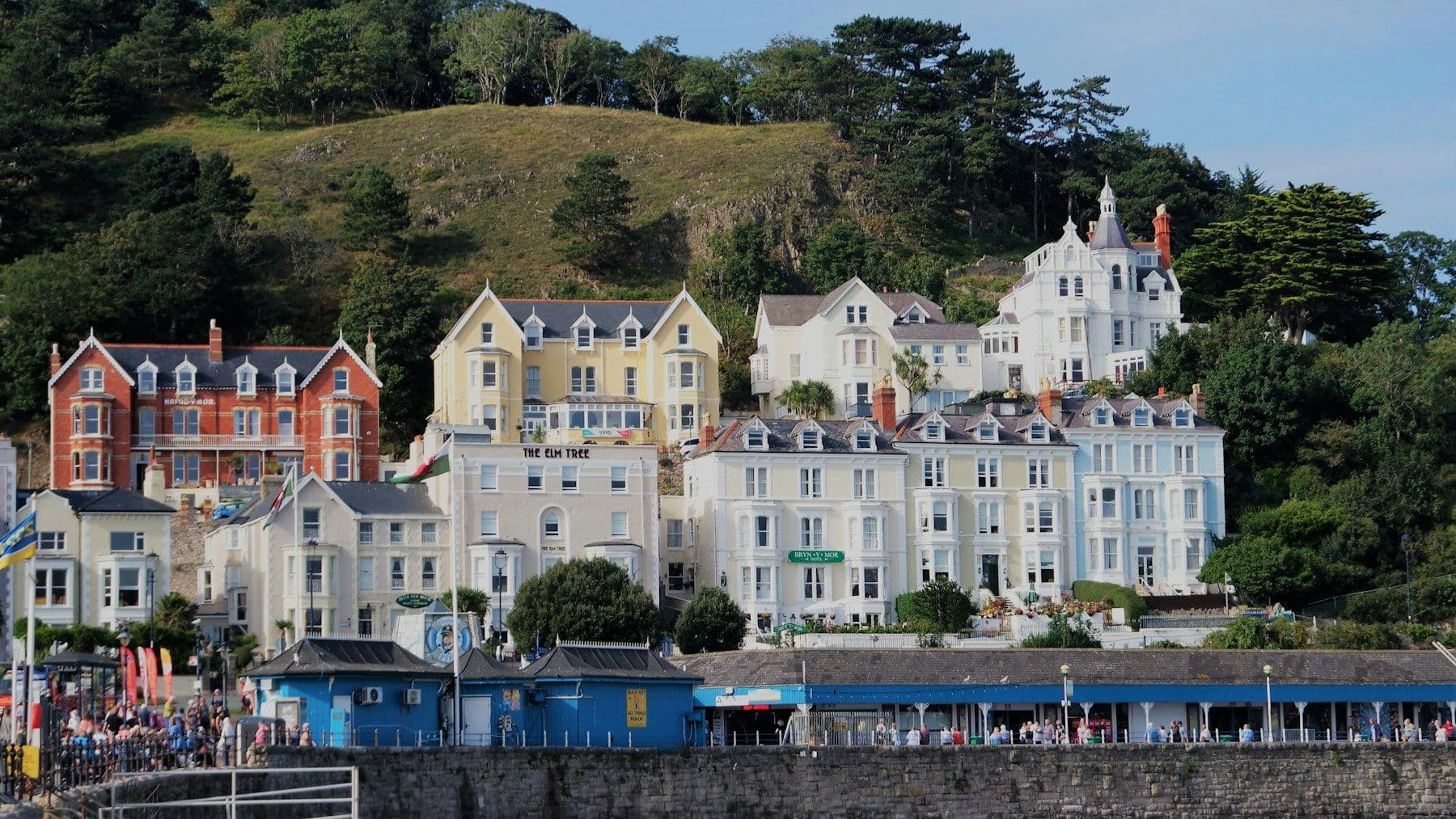
A World Heritage town and a listed seafront
Conwy’s castle and town walls form a UNESCO World Heritage Site, and Llandudno’s Victorian front is lined with old hotels, some of them listed. In Wales, panels on a business roof are often permitted development, which means no planning application. A listed or protected building needs the council’s view first, so we ask early and say so if a roof will not work.
Salt, wind and the estuary
From Deganwy to Llanfairfechan the buildings face the Irish Sea or the Conwy estuary. Salt air wears fixings and cabling faster than inland weather does. The funding partner maintains the system for the full 15 years, so that wear is its cost and not yours.
Farms up the Conwy Valley
Llanrwst sits on the A470 less than a mile from Snowdonia. Farms along the valley can be on longer rural power lines with less room for export, so the grid operator’s check matters more. Parts of the valley flooded in December 2015, so we look at barn roofs before any array on low ground.
Where we work
From Deganwy to Penmaenmawr: what we see in each Conwy town
Ten places, ten different mixes of roof. Here is what is typical and what we check first.
Colwyn Bay
Where Bay Bright is based. Town-centre and seafront roofs are mostly small and pitched. The larger flat roofs are out at Mochdre, where Conwy Road meets the A55 side, and on the retail and trade units around the edge.
Llandudno
Hotels, Venue Cymru and the Mostyn Street shops. Many roofs are old slate pitches on terraces, so a hotel with a long flat extension is often the better prospect. The council also lists an 11.4 hectare employment site off Builder Street.
Llandudno Junction
The busiest spot for a unit of 50 kW and up. Trade and light industrial sites run along Conway Road and Tre Marl, all within a mile of junction 19, and the council lists Sarn Mynach as an employment site with a Welsh Government office. Crest is here.
Conwy
The walled town is tight and protected, so the old centre is a limited prospect. Morfa Business Park outside the walls, with its 15.4 hectares near junction 17, is the stronger bet.
Abergele
North Wales Business Park sits off Llanddulas Road, in view of Gwrych Castle, within reach of junctions 23A and 24. Farms in the hills inland add barn roofs to the picture.
Llanrwst
The valley’s market town. A wind farm on the hills above already feeds the town’s substation, so the grid check will show how much room is left for more power.
Llanfairfechan
A small coastal town. The council lists an employment site a mile from junction 15 and a mile from the town. Most roofs here are modest, so measure yours against our 20 kW floor of about 45 to 50 panels.
Penmaenmawr
A granite town squeezed between mountain and sea. The quarry now employs about ten people, down from around a thousand a century ago. The roofs worth a look are small commercial units and farm buildings, and all of them take the weather straight off the sea.
Deganwy
A marina and quay stand where the slate wharves used to be, with hotel and boating businesses around them. The wind comes straight off the estuary, and a boatyard or hotel roof needs mounting to match.
Old Colwyn
Mostly small shops, cafes and seafront trade, so many roofs will not reach 20 kW. A bigger building such as a care home or club might. We tell you straight after a look at the satellite images.
Conwy & Llandudno questions
Commercial solar in Conwy & Llandudno: what people ask
Is commercial solar worth it for a hotel or guest house in Llandudno?
It can be, if the building uses a lot of power in the day. Laundry, kitchens, cold rooms and heating plant use a roof’s power as it arrives. A small guest house may fall under our 20 kW floor, which is about 45 to 50 panels. Send a postcode and a recent bill and we will tell you after a look at the satellite images.
Can a unit on a Conwy industrial estate get commercial solar panels?
Often, yes. Units at Morfa Business Park, Mochdre Commerce Park and the Llandudno Junction estates are the kind of site we look for, with big plain roofs and a three-phase supply. If you rent, the building owner has to agree. They gain too, because solar lifts the EPC (energy performance certificate) rating.
Do I need planning permission for solar in Conwy or Llandudno?
Often not for a roof on a business building, because Wales has its own permitted development rules. Listed buildings, conservation areas and the World Heritage setting around Conwy castle are the exceptions that need the council’s view. We check your address first and tell you early if it is a problem.
Have you done a project near Colwyn Bay?
Our nearest named project is Crest Community Centre in Llandudno Junction, a 50 kW system under the same agreement. Six of our 11 funded projects are in North Wales. Ask on the call which are closest to you and we will answer honestly.
How long does it take in Conwy County?
About five to six weeks from first call to switch-on in the SP Energy Networks area. SP Energy Networks is the DNO (distribution network operator), the company that runs the local power lines and checks they can take your export. That check usually takes two to three weeks here, and can run longer.
My farm is up the Conwy Valley. Can you still help?
Yes, if you have roof or land with the space and a three-phase supply. Milking, chilling and drying use power in the day, which is what we look for. Rural lines can have less spare room, so the grid check matters more. We apply for it and cover the cost.
What if the panels make less in a dull Conwy summer?
You pay less. You are billed only for the solar power the system actually makes, and you can watch it live. Our funding partner earns only on what is generated, so it has no reason to overstate the figure in your proposal. Nothing is promised, and we say so.
Can a church, school or care home in Conwy County have this?
Yes. Charities, schools, care homes, churches and community centres are all on our list, because they use power in daylight. For a church the building is often listed, which is the main hurdle. Crest, a community centre, now pays 18p per kWh for its solar.
Find out if your Conwy & Llandudno site qualifies
Send your postcode and a recent bill. We check your roof on a map and tell you quickly. It costs nothing, and nothing you sign at the start ties you in.