

Fully funded commercial solar, serving The Wirral
Commercial Solar Panels in the Wirral
Your business pays nothing to have the system designed and fitted, then buys the power it makes at a fixed price for 15 years. We look at roofs from the docks of Birkenhead and the estates of Bromborough to Moreton, Wallasey and the Dee shore.
Nothing to pay up front, not even a deposit. Fixed for 15 years.
“It hasn't cost me a single penny to have it all installed.”
£0 up front
Our funding partner pays for the system. Not even a deposit
Fixed for 15 years
Between 16p and 23p per kWh today, depending on the site (September 2026)
 NAPIT
Our installers are accredited
Our installation partners are MCS registered, and RECC and NAPIT accredited
One person to call
Dave handles the funder, the installer and the grid for you, first call to first bill
What we do
Commercial solar for sites across The Wirral
Solar PPA
Someone else pays for the panels. You buy the power they make at a low price, fixed for 15 years.
Find out more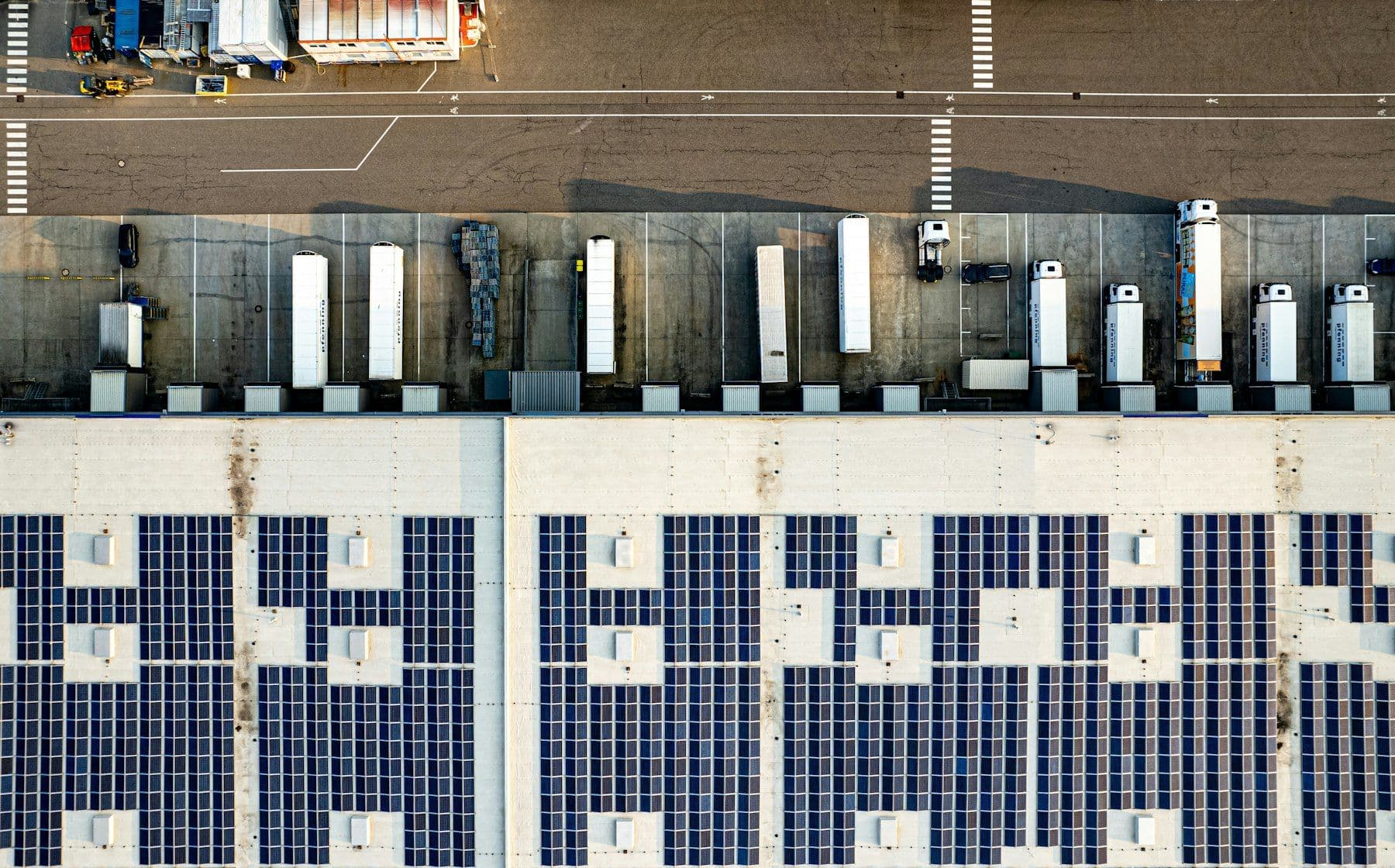
Solar for Business
Warehouses, shops, hotels, schools, care homes and charities. If you use power in the day, this is for you.
Find out more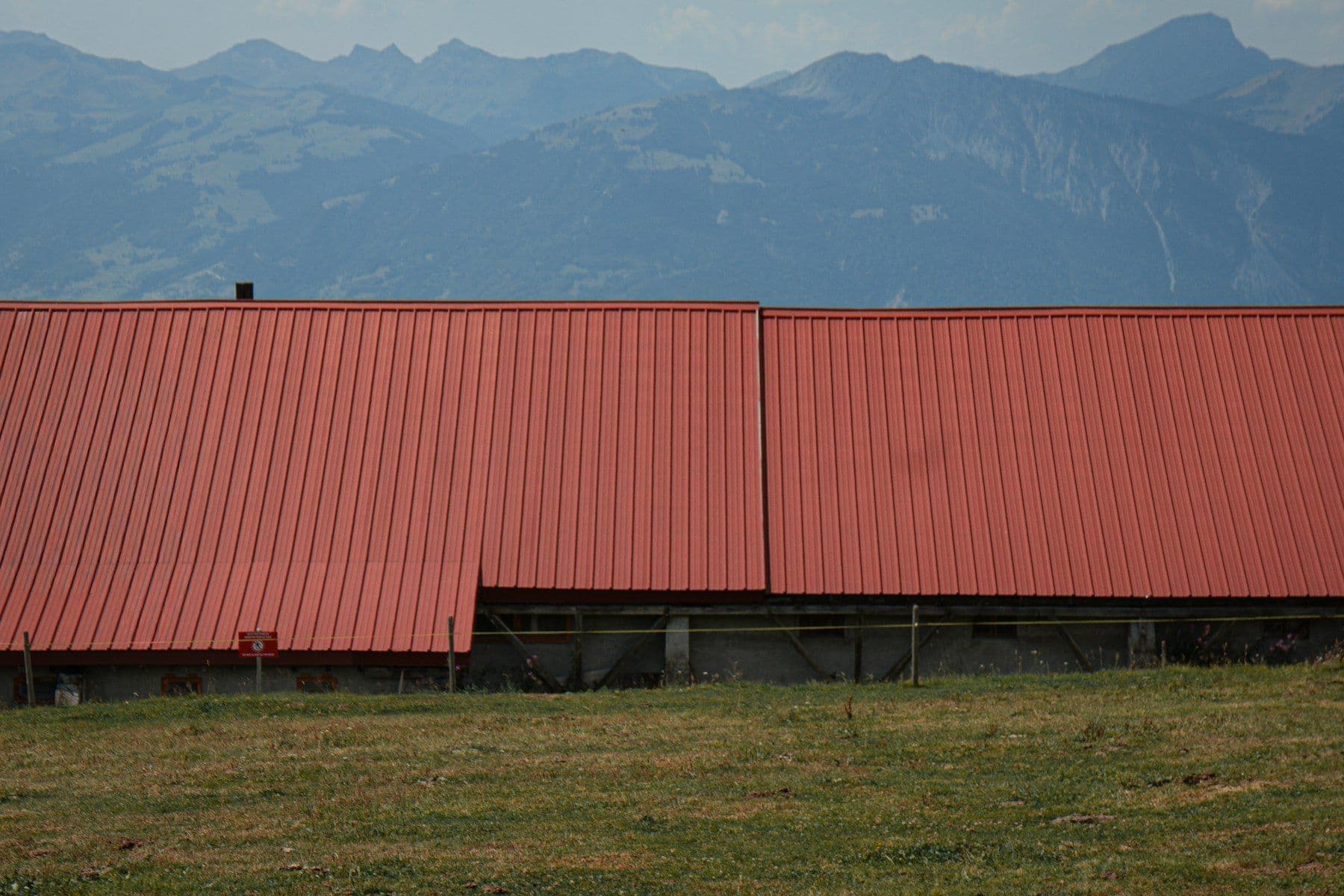
Solar for Farms
Barn roofs and big daytime loads, from milking to chilling. A battery too, where your usage justifies one.
Find out more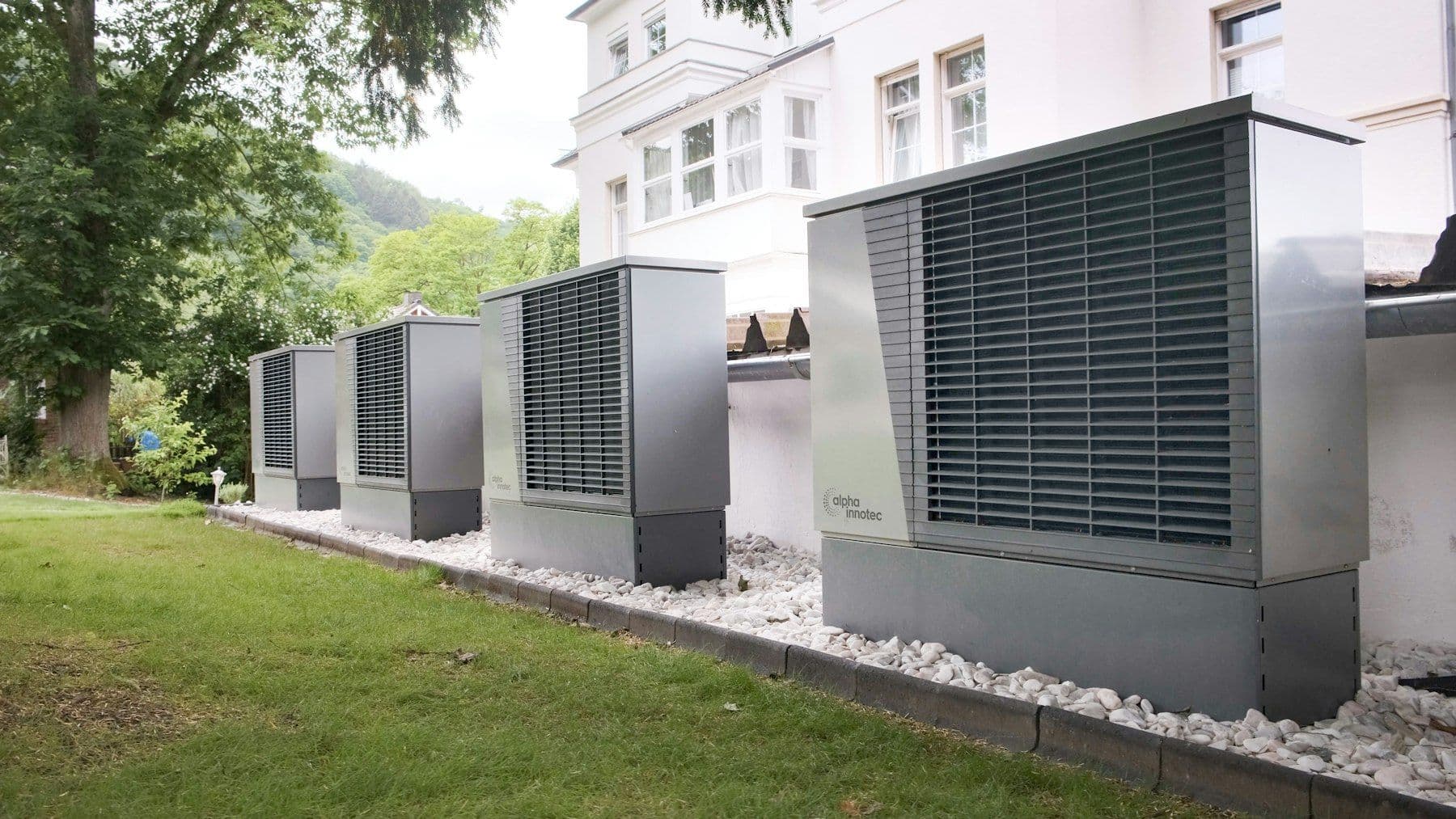
Commercial Battery Storage
Stores spare daytime power for later. We only add one if your half-hourly data shows it is worth it.
Find out more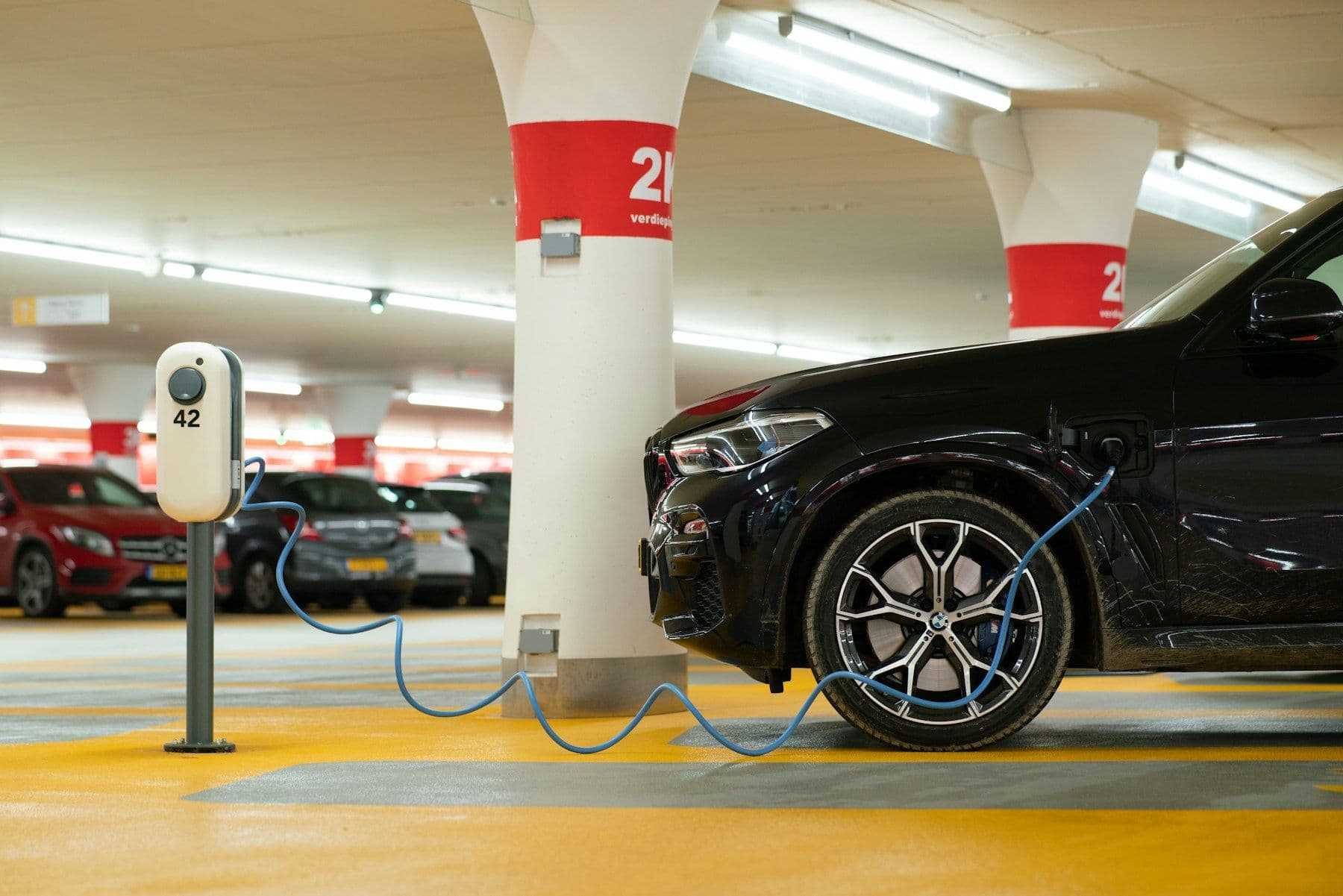
Commercial EV Charging
Two chargers at no cost where you have a car park, subject to survey. You keep 50% of the revenue.
Find out more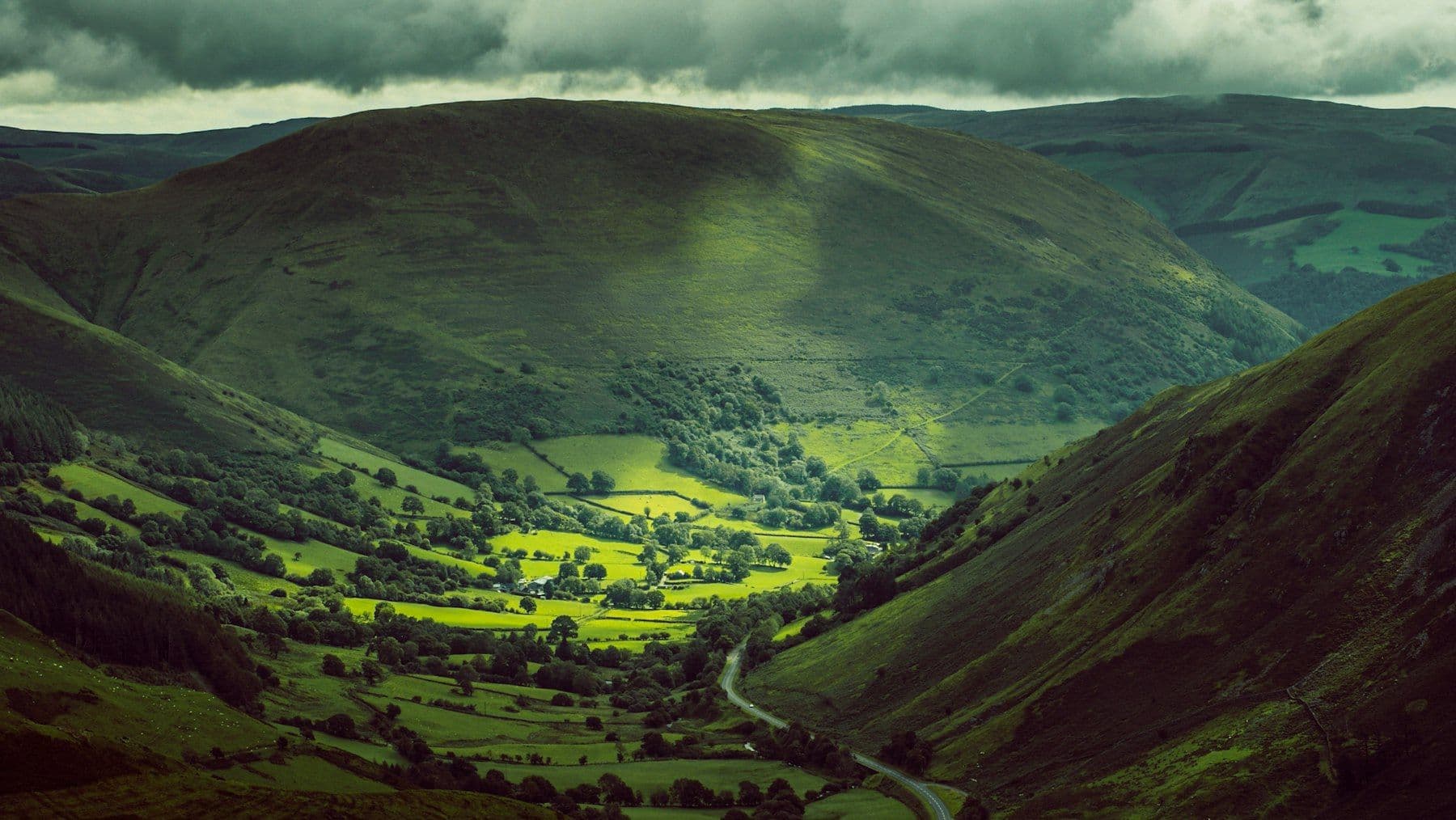
Who you'll be dealing with
Meet Dave Williams, your one point of contact

I'm Dave. I was born and raised in North Wales. I spent 15 years in retail management, went into solar in 2021, and studied commercial PPAs for about two years before I started Bay Bright Solar in late 2025.
I sit between the funder, the kit supplier, the installer and the grid operator, and I handle all of it for you, across The Wirral and the places around it. That's 11 funded projects so far, six of them in North Wales. I only get paid when your system is switched on, so I want it to work.
Integrity is everything to me, so we're totally transparent.
More about Dave and Bay BrightIn their own words
They thought it was too good to be true as well
“I was pretty sceptical initially because you never get anything for free in this life. But once Dave broke down the detail and explained to me how it would benefit Crest as an organisation, it became quickly to me a bit of a no-brainer.”
“It hasn't cost me a single penny to have it all installed.”
- System size (peak output)
- 50 kWp
- Power it makes each year
- 36,290 kWh
- Fixed price for 15 years
- 18p per kWh (was 37p)
- Saving in year one
- £4,739
- Saving over 15 years
- £131,796
The 15-year figure assumes grid prices rise 5% a year. Your proposal works out your own figures, never a promise.
Free, in writing, no obligation
Your proposal, worked out from your own bills
You shouldn't have to take our word for it. So the numbers come first, in writing, with no obligation. This is what Crest Community Centre's looked like. Yours comes back in up to 5 working days.
- The system designed for your siteSized to your real usage by the funder's design team, with how much power it should make each year.
- Your fixed price per kWhSet from your usage data. Between 16p and 23p today, and fixed for 15 years.
- Your savingsIn year one and over 15 years, worked out from your own bills. Illustrative, never a promise.
- Your buy-out price for every yearPrinted in full, falling each year to £1 at year 15. So you can see your way out before you sign.
What it costs in The Wirral
Nothing up front, then a low price that never moves
To have it designed, fitted and connected
Our funding partner pays for all of it. Not even a deposit.
Per kWh for the solar you use, fixed for 15 years
Depends on your site (September 2026). Everything else stays with your normal supplier.
Wirral prices follow what your site does by day. A depot or food plant that runs refrigeration and shifts uses most of the roof's output, which tends to suit a PPA, while an office that empties at five uses less. Coastal exposure may change the mounting, and our design team builds that into the written proposal, so it never turns up later as a surprise. See how a PPA works and what commercial solar costs to buy.
What you pay per kWh for the solar you use
- PPA price: 16p to 23p, fixed for 15 years
- What our case-study customers were paying: about 23p to 53p
PPA prices as of September 2026, and your rate depends on your site. Savings are illustrative, never promised. Your proposal works out your own.
Check your eligibilityFree, no obligation, about two minutesThe honest comparison
A solar PPA or buying outright: how they compare
Buying can be the better deal if you have the cash and want to manage it yourself. A PPA suits a site that would rather keep its money and hand over the work.
| What to compare | Solar PPA with Bay Bright | Buying outright |
|---|---|---|
| Cost up front | £0, not even a deposit | The full cost. Crest's 50 kWp system is valued at £42,741 |
| What you pay for power | A fixed price per kWh for 15 years | Nothing per kWh once it's paid for, which is the big win of buying |
| Repairs, checks and cleaning | Covered for the full term at no cost | Yours to arrange and pay for |
| If it makes less power | You pay less, because you only pay for what you use | You have paid for the system either way |
| Who owns it | The funder, until you buy it out. £1 at year 15 | You, from day one |
| The grid application | We do the forms and pay the fee | Usually part of your installer's price |
It sounds too good to be true
The elephant in the room: what is the catch?

What is the catch?
Here is how the money works
Our funding partner earns in two ways. You buy the solar power you use at the fixed price, and any spare power is sold to the grid. Over 15 years that pays back the system, and a bit more. The funder gets a long, steady return. You get cheaper power and pay nothing to start.

Who is the funder, and do they get my roof?
A UK company that rents the roof space, nothing more
Our funding partner is a UK company. Its projects are paid for by a UK bank, and the systems are insured. You meet them on your proposal call. They only rent the space on your roof (a roof lease). They never own your roof or your building. They also run a soft credit check on the business, which leaves no mark on your file. We tell you that up front.

What if it makes less power than you said, or breaks?
You only pay for the solar you use
Your proposal states how much power the system should make. The funder only earns when it generates, so it has every reason to keep it working. If it makes less, you pay less. It is watched from a central screen, and if something stops, it gets fixed at no cost. While that happens, your building just uses the grid.
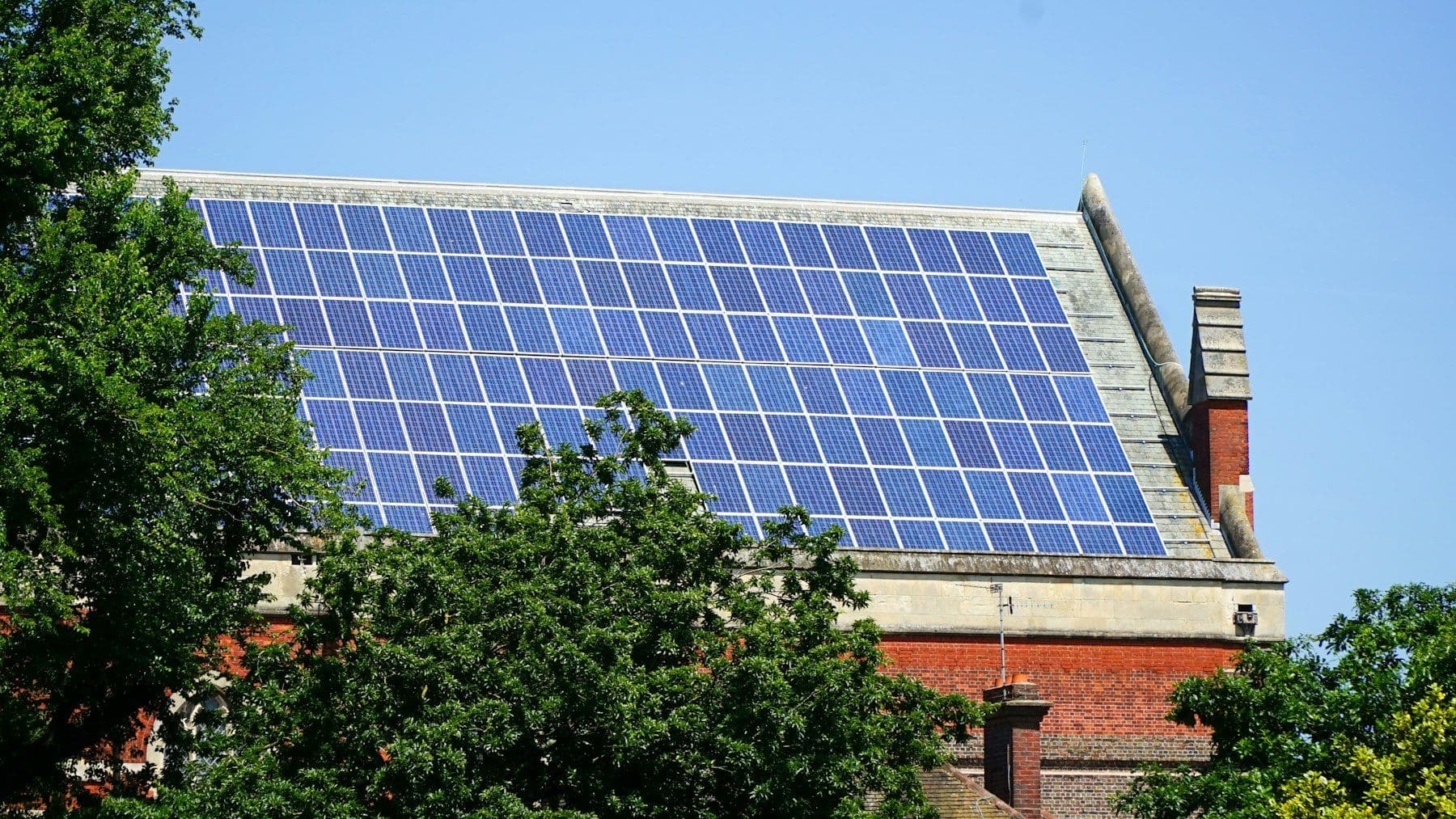
Am I locked in for 15 years?
You can buy it at any time, from a printed list
Your proposal prints the buy-out price for every year, and it falls each year. Crest's starts at £42,741, is £28,487 at year 5, £14,233 at year 10 and £1 at year 15. If you sell the building, the deal can pass to the new owner at the same price, or you can buy it out.
How it works
From first call to switch-on, in about five to six weeks
About five to six weeks in North Wales. Up to 12 weeks where the grid operator is slower.
Before you decide anything
- 1
Tell us about your site
A few quick questions, about two minutes. Or just call. Dave calls back within 24 hours.
- 2
We check your roof and bills
A desktop survey from satellite images, plus the 12 months of usage data you send over.
- 3
Your proposal, on a video call
The funder's design team builds it in up to 5 working days. We go through it with you, and the funder joins so you can ask them anything.
- 4
Paperwork that doesn't bind you
Three first papers let us apply to the grid for you. They are not binding and stay open for 10 working days.
Once you've said yes
- 5
Site survey and grid approval (DNO)
A full survey on site. Then we apply to the grid operator and pay the fee. SP Energy Networks takes 2 to 3 weeks locally, and it can take up to 12 weeks where the operator is slower.
- 6
Fitted while you stay open
MCS-registered installers fit the system. Both our case-study customers stayed open throughout.
- 7
Switch-on and your first bill
The direct debit starts once the system is running. Dave comes back after a month to check your first bill with you.
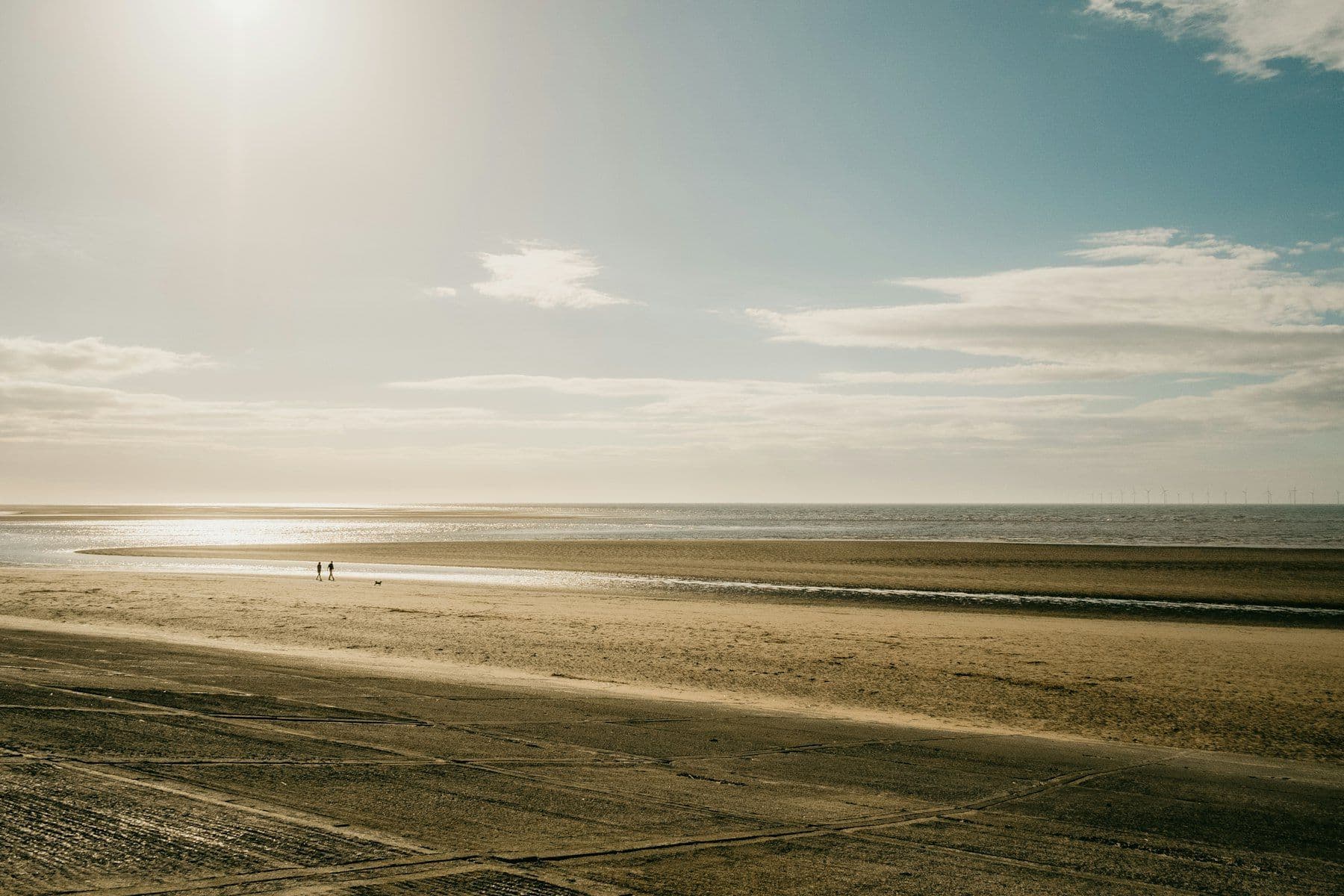
Commercial solar in The Wirral
Commercial solar panels in the Wirral: docks, shipyards, food plants and a long coast
People who want commercial solar panels in the Wirral are usually weighing up a big roof against a big bill. The peninsula has both. Birkenhead's docks and shipyard, the business parks around Bromborough and the food factories of Moreton all keep lights, machines and refrigeration running by day. The panels are paid for by a funding partner under a PPA (a power purchase agreement), and your firm simply buys the electricity from them at a lower price per kWh, the unit on your bill, fixed for 15 years.
Who we are matters here, so here it is plainly. Bay Bright is a Colwyn Bay business and has no office on the Wirral. The Flintshire coast is the other side of the Dee estuary, and we make the trip when a site needs us. Dave runs the business, and he is the single person you speak to until your first bill has landed. The design, funding and fitting come from our partners, who work across Great Britain.
Expect about five to six weeks end to end when the local network answers quickly, and up to 12 weeks if it is slower. The network owner on the Wirral is SP Energy Networks, the same company as in North Wales, where its checks have taken two to three weeks. We plan for the longer figure on this side of the water and treat anything quicker as a bonus.
Not every Wirral premises will suit. We need three-phase power, the supply that runs workshops and heavy motors, and room for at least 20 kW of panels, roughly 45 to 50 of them. A salon on a Hoylake high street probably will not fit, while a depot, a food plant, a school hall roof or a big sports club often will.
What matters in The Wirral
Five things that shape a commercial solar job on the Wirral
Salt air, dockland landlords and the council boundary matter more here than the panels do.
Wind and salt on an open coast
The north coast faces the Irish Sea, and Wallasey's promenade runs for over seven miles along that exposed edge. Roofs near the shore see more wind and salt than those inland, so the mounting and fittings are chosen for that. Our funding partner's design team picks the kit for each site, and cleaning every 6 to 12 months is part of the deal.
Dockland, shipyards and estate landlords
Birkenhead's docks are part of the Port of Liverpool, and Cammell Laird's yard has built and repaired ships there for generations. Wirral Waters is turning old dockland into offices, housing and a planned industrial park aimed at energy and engineering. Much of this land has an estate owner, and we need their agreement to lease the roof space, which is a lease of the space only.
Twenty-six conservation areas
Visit Wirral counts 26 across the peninsula. They include Port Sunlight (designated 1978), Lower Heswall (1979), West Kirby Old Village (1973) and Kings Gap in Hoylake. Birkenhead's Hamilton Square has a dense cluster of Grade I buildings. Listed buildings are excluded from permitted development for solar, and conservation areas can add limits.
A council boundary that surprises people
Neston and Parkgate sit on the Wirral peninsula but fall under Cheshire West and Chester, not Wirral Council. Birkenhead, Wallasey, Bebington, Bromborough, Heswall, Hoylake, West Kirby and Moreton are Wirral Council. The right council decides any planning question, so we go by your address.
Landlords and the 2031 energy rating
The government has said that privately let commercial buildings above 1,000 square metres need at least an EPC B rating (the A to G energy performance grade) from 2031, if the work is cost-effective. Many Bromborough and Moreton units are let to tenants. Panels lift the owner's rating, and under a PPA the owner pays nothing for them.
Where we work
Wirral towns we cover, and what to expect in each
Working docks and factories on the Mersey side, largely residential towns on the Dee side. These notes say which suits solar and why.
Birkenhead
The docks, the Cammell Laird shipyard and the Wirral Waters regeneration all sit here, and so does Hamilton Square with its Grade I buildings. Dockside roofs are large but usually leased, so landlord agreement comes first. Tight town-centre streets complicate scaffolding.
Wallasey
Wallasey Pool's docks once supported engineering, sugar refining and cement, and the town has since turned largely residential. What is left of the working waterfront near Seacombe and Bidston is the place to look. Roofs on the promenade side take full sea wind.
Heswall
An affluent Dee-side town with a conservation area in Lower Heswall, designated in 1979. Shops here are mostly too small for our 20 kW floor. The more realistic leads are care settings, schools and farmland at the town's edge.
Bromborough
The Wirral International Business Park and Croft Business Park sit off the A41 and M53, with older industry by the old dock and the model village of Bromborough Pool nearby. Wide units and food manufacturing make it one of the Wirral's more natural places for a PPA.
Neston
In Cheshire West and Chester, not Wirral Council, despite being on the peninsula. Parkgate was the old Dee port, and Neston has more than 75 Grade II and II* listed buildings. Expect farms and small rural sites, and check the planning authority first.
Bebington
Includes Port Sunlight, a planned factory village developed from 1888 and now a conservation area (1978). Unilever's factory there is a big industrial roof in a heritage setting, which makes appearance and planning the main questions.
Hoylake
A seaside town best known for the Royal Liverpool Golf Club, with the Kings Gap conservation area running between the coast and the course. Clubs, sailing and sand-yachting groups with big car parks and clubhouses are the likely fit, not the high street.
West Kirby
The Old Village is a conservation area (1973) and the Meols Drive conservation area runs between here and Hoylake. Sailing and sports clubs, schools and care homes are the sensible sites. Seafront roofs face open estuary wind.
Moreton
Food manufacturing, a research laboratory and the Tarran Way Industrial Estate give Moreton plenty of day-long loads, and Leasowe is next door. The units are mid-sized, which suits the 20 kW start point, and some will be let, so the owner's agreement matters.
The Wirral questions
Commercial solar in The Wirral: what people ask
Can my business get commercial solar panels in the Wirral if it is on dockland or estate land?
Yes, if the owner agrees. Much dockside land has an estate owner, and we ask for their agreement early. Our funding partner leases the roof space only, and never owns the roof or the building.
Is Neston counted as the Wirral for planning?
Not by the council. Neston and Parkgate are on the peninsula but fall under Cheshire West and Chester. Heswall, Hoylake, West Kirby, Bebington, Bromborough, Birkenhead, Wallasey and Moreton are with Wirral Council. We check by address.
Do sea air and wind damage solar panels close to the coast?
Panels are made for outdoor weather, but exposed roofs need the right mounting and fittings. Our design team chooses kit for each site's conditions. The provider also monitors, maintains and cleans the system for the whole 15 years.
Who runs the grid on the Wirral, and how long will the check take?
SP Energy Networks, the same operator as in North Wales. Dave works with it in North Wales, where checks have taken two to three weeks. On the Wirral we plan for five to six weeks overall and allow up to 12 if the network is slower.
Do you have an office on the Wirral?
No. We are based in Colwyn Bay. We begin with a video call and a roof check from satellite images, and your proposal is presented on a video call. Dave is your one contact, and he visits after the install and again after the first bill.
I run a shop or café in Hoylake or West Kirby. Would I qualify?
Probably not, and we would rather say so now. Most small shops have single-phase power and not enough roof for 20 kW. Sports clubs, schools, care homes and larger workshops are a better fit. A recent bill and your postcode are enough to find out.
Will a conservation area stop a solar installation on the Wirral?
Not automatically. Solar on a business roof is usually permitted development, but conservation areas can add limits and listed buildings are excluded. The Wirral has 26 conservation areas, including Port Sunlight and Lower Heswall. We check your address with the right council.
I own a unit on a Bromborough or Moreton business park. What do I gain?
A better energy rating, for one. Privately let commercial buildings over 1,000 square metres will need an EPC B from 2031 where it is cost-effective, and solar is one of the most direct ways to get there. Your tenant buys the power at a fixed price, and the system costs you nothing up front.
Have you done a project on the Wirral?
We have not named a Wirral customer. Our named customers are Crest Community Centre in Llandudno Junction and Lesters Farm Shop in Buckley, Flintshire, which is across the Dee. We will not claim a local job we cannot name.
Find out if your The Wirral site qualifies
Send your postcode and a recent bill. We check your roof on a map and tell you quickly. It costs nothing, and nothing you sign at the start ties you in.